Loading
NEW DESIGNERS ADDED WEEKLY!
The best pattern designers.
Browse & hire professional surface pattern designers for fashion, textiles, interiors & product design.
Browse & hire professional surface pattern designers for fashion, textiles, interiors & product design.
We use cookies to improve your experience and understand how PatternDesigners is used.
Discover pattern styles, motifs & structures used throughout surface pattern design, with visual examples to help you recognise every pattern type.

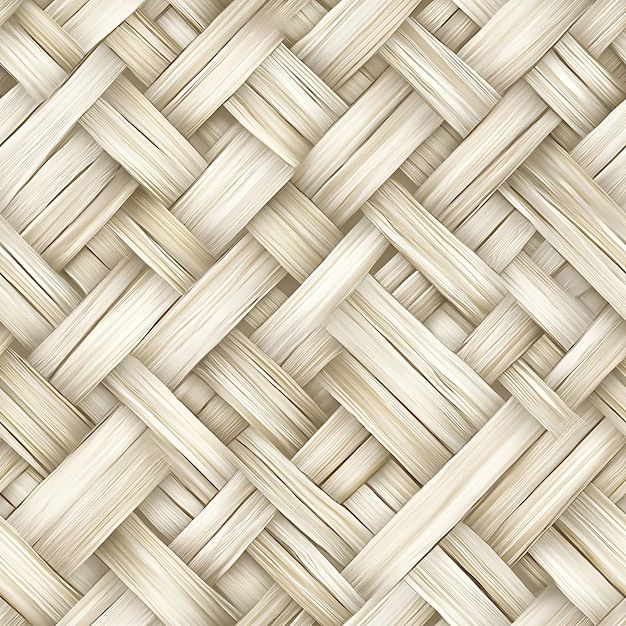
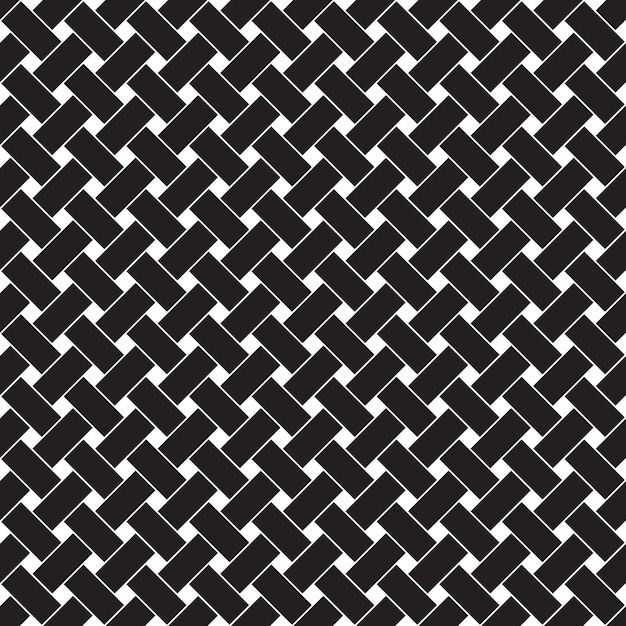
Basket weave is one of the simplest variations of plain weave, distinguished by the grouping of threads rather than single-thread interlacing. In surface pattern design it appears both as an actual woven cloth construction and as a printed pattern that simulates the woven grid structure. Its clean geometric surface, subtle texture, and structural clarity make it commercially useful across apparel, interiors, and background surface design.
Basket weave is one of the simplest variations of plain weave, distinguished by the grouping of threads rather than single-thread interlacing. In surface pattern design it appears both as an actual woven cloth construction and as a printed pattern that simulates the woven grid structure. Its clean geometric surface, subtle texture, and structural clarity make it commercially useful across apparel, interiors, and background surface design.
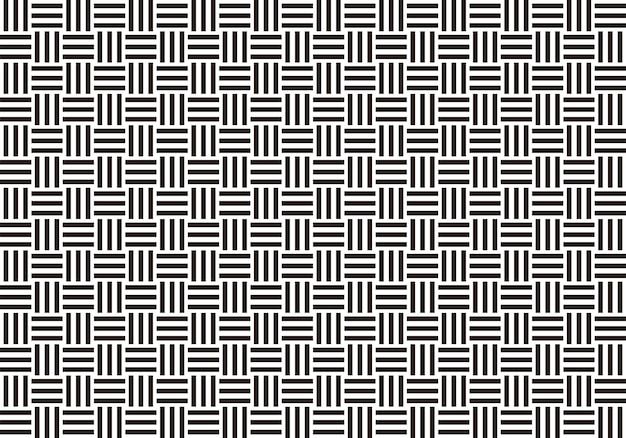
Basket weave produces a regular, square or near-square grid appearance. Paired thread groups create a surface of alternating raised and recessed colour blocks, each composed of two or more threads. The overall effect is a clean checkered pattern with subtle surface texture. Compared to plain weave, basket weave has a looser, more open structure - visible in both physical cloth and printed simulation. The visual result is a quiet, regular grid without the complexity of a twill or more elaborate weave structure.
Basket weave is structurally defined by the grouping ratio. A 2:2 basket weave (the most common) uses two warp threads passing over and under two weft threads in alternating rows. A 3:3 or higher-count weave produces larger checks. Monk's cloth uses a 12:12 count. The repeat unit is small and geometrically regular. In printed simulation, basket weave is reproduced as a geometric square-grid pattern with alternating colour pairs or tonal contrast pairs.
Basket weave has no figurative motif content. It is defined entirely by its structural grid and thread grouping. Design variation is achieved through thread count (2:2, 3:3, 12:12), scale, and colour combination.
Traditional basket weave cloth appears in natural fibre tones - cream, ecru, undyed linen, and natural wool. Contemporary printed basket weave patterns can use any colourway. Classic interior applications tend toward neutral and natural tones that reference the woven textile origin. Fashion applications may use high-contrast colour pairs or trend-driven palettes. The pattern reads as understated and structural rather than decorative.
Basket weave is among the oldest and most widespread weaving techniques, used in basketry, matting, and cloth across virtually all global textile traditions. The structural principle - interlacing groups of threads at right angles - is shared by both functional basketry and textile weaving. In textile form the pattern is known by several names: Panama weave, hopsack weave, mat weave, and matt weave. Monk's cloth (a 12:12 cotton canvas basket weave) is a well-known contemporary example used for needle punch embroidery. The name "Panama weave" additionally refers to lightweight woollen suiting fabric woven in this structure - soft and loose with a fine, grainy surface - used for men's and women's suits and dresses.
Basket weave is one of the simplest variations of plain weave, distinguished by the grouping of threads rather than single-thread interlacing. In surface pattern design it appears both as an actual woven cloth construction and as a printed pattern that simulates the woven grid structure.
Basket weave produces a regular, square or near-square grid appearance. Paired thread groups create a surface of alternating raised and recessed colour blocks, each composed of two or more threads. The overall effect is a clean checkered pattern with subtle surface texture.
Fundamentals
Basket weave is structurally defined by the grouping ratio. A 2:2 basket weave (the most common) uses two warp threads passing over and under two weft threads in alternating rows. A 3:3 or higher-count weave produces larger checks. Monk's cloth uses a 12:12 count. The repeat unit is small and geometrically regular.
Basket weave has no figurative motif content. It is defined entirely by its structural grid and thread grouping. Design variation is achieved through thread count (2:2, 3:3, 12:12), scale, and colour combination.
Traditional basket weave cloth appears in natural fibre tones - cream, ecru, undyed linen, and natural wool. Contemporary printed basket weave patterns can use any colourway. Classic interior applications tend toward neutral and natural tones that reference the woven textile origin.
Basket weave is among the oldest and most widespread weaving techniques, used in basketry, matting, and cloth across virtually all global textile traditions. The structural principle - interlacing groups of threads at right angles - is shared by both functional basketry and textile weaving.
Check Pattern and Houndstooth Pattern