Loading
NEW DESIGNERS ADDED WEEKLY!
The best pattern designers.
Browse & hire professional surface pattern designers for fashion, textiles, interiors & product design.
Browse & hire professional surface pattern designers for fashion, textiles, interiors & product design.
We use cookies to improve your experience and understand how PatternDesigners is used.
Discover pattern styles, motifs & structures used throughout surface pattern design, with visual examples to help you recognise every pattern type.

Bee patterns span two distinct visual registers: the figurative bee motif (stylized or detailed insects) and the structural honeycomb grid (hexagonal geometry abstracted from comb construction). Both forms are commercially active, often combined in the same repeat. The bee carries strong symbolic associations - community, hard work, nature, sustainability - that give the pattern appeal for eco-positioned brands and artisan lifestyle markets.
Bee patterns span two distinct visual registers: the figurative bee motif (stylized or detailed insects) and the structural honeycomb grid (hexagonal geometry abstracted from comb construction). Both forms are commercially active, often combined in the same repeat. The bee carries strong symbolic associations - community, hard work, nature, sustainability - that give the pattern appeal for eco-positioned brands and artisan lifestyle markets.
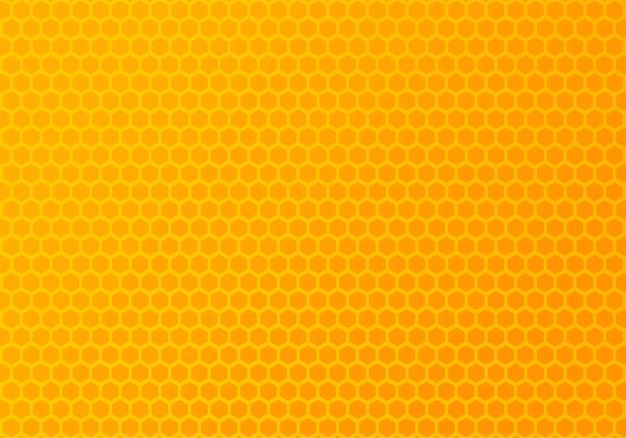
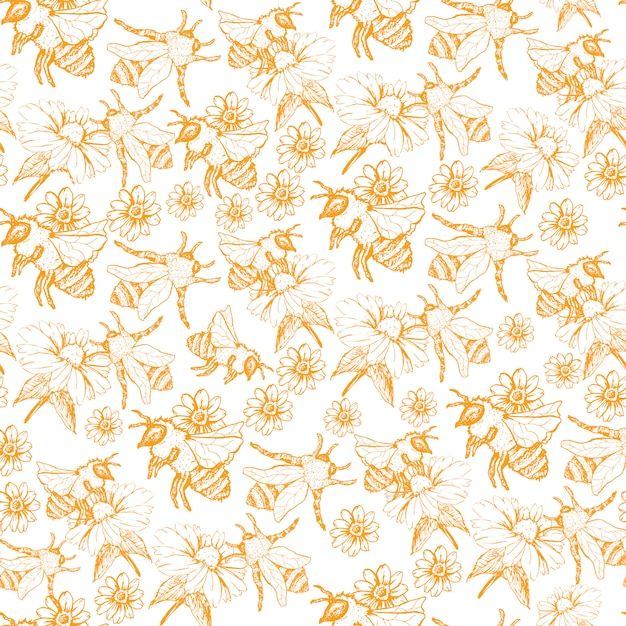
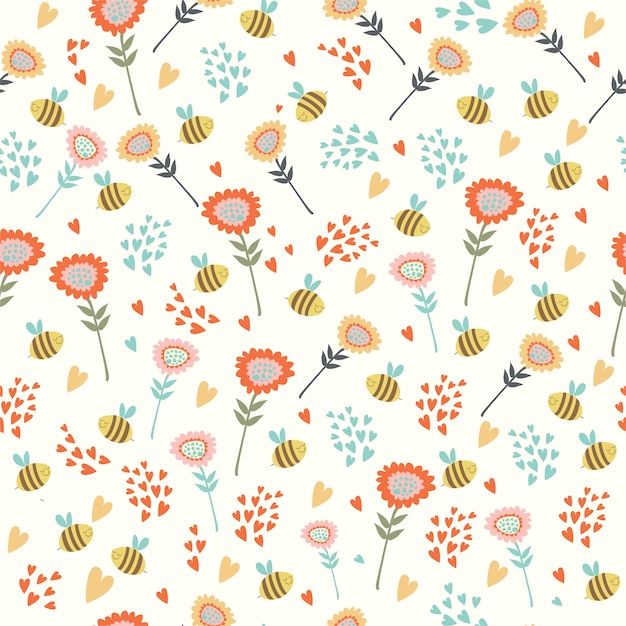
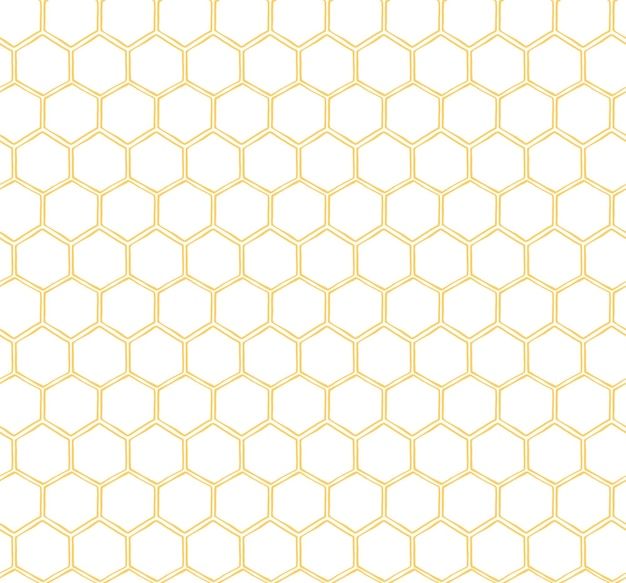
Figurative bee motifs feature the characteristic black-and-yellow stripe body, transparent wings (often shown layered or overlapping), curved abdomen, and antennae. Honeycomb grids use interlocking hexagons in staggered rows. Combined designs place bee motifs within or against a honeycomb ground.
Honeycomb structure is inherently geometric: hexagons tile in offset rows without gaps. Bee motifs set against this ground create an all-over pattern with structural density. Purely figurative bee patterns use tossed or grid repeats without the honeycomb element.
Classic palette: amber yellow, black, and white. Softer interpretations use mustard, cream, and warm honey tones. Monochrome treatments (black hexagons on white) read as clean geometric patterns. Illustrated styles favour watercolour or hand-drawn line work.
The hexagonal honeycomb is formed when bees build cylindrical wax tubes that naturally coalesce into hexagons - the most space-efficient tessellation for equal-area cells. This geometric property made the honeycomb a recurring form in design and architecture. Bee and honeycomb motifs carry long associations with decorative craft traditions - beeswax, honey pottery, embroidery. In contemporary surface pattern design, the bee motif carries sustainability and artisan connotations.
Bee patterns span two distinct visual registers: the figurative bee motif (stylized or detailed insects) and the structural honeycomb grid (hexagonal geometry abstracted from comb construction). Both forms are commercially active, often combined in the same repeat.
Figurative bee motifs feature the characteristic black-and-yellow stripe body, transparent wings (often shown layered or overlapping), curved abdomen, and antennae. Honeycomb grids use interlocking hexagons in staggered rows. Combined designs place bee motifs within or against a honeycomb ground.
Apparel (childrenswear, womenswear, aprons, tote bags) Home textiles (kitchen textiles, cushions, ceramics) Stationery and gifting Wallpaper (nursery and kitchen contexts) Packaging for honey, artisan food, and wellness products
Honeycomb structure is inherently geometric: hexagons tile in offset rows without gaps. Bee motifs set against this ground create an all-over pattern with structural density. Purely figurative bee patterns use tossed or grid repeats without the honeycomb element.
Bee (stylized or detailed: body stripes, wings, antennae) Honeycomb (hexagonal grid) Hexagon (isolated or as geometric element) Beehive / skep form Flower (as contextual supporting motif)
Classic palette: amber yellow, black, and white. Softer interpretations use mustard, cream, and warm honey tones. Monochrome treatments (black hexagons on white) read as clean geometric patterns. Illustrated styles favour watercolour or hand-drawn line work.
The hexagonal honeycomb is formed when bees build cylindrical wax tubes that naturally coalesce into hexagons - the most space-efficient tessellation for equal-area cells. This geometric property made the honeycomb a recurring form in design and architecture.
Geometric Pattern