Loading
NEW DESIGNERS ADDED WEEKLY!
The best pattern designers.
Browse & hire professional surface pattern designers for fashion, textiles, interiors & product design.
Browse & hire professional surface pattern designers for fashion, textiles, interiors & product design.
We use cookies to improve your experience and understand how PatternDesigners is used.
Discover pattern styles, motifs & structures used throughout surface pattern design, with visual examples to help you recognise every pattern type.

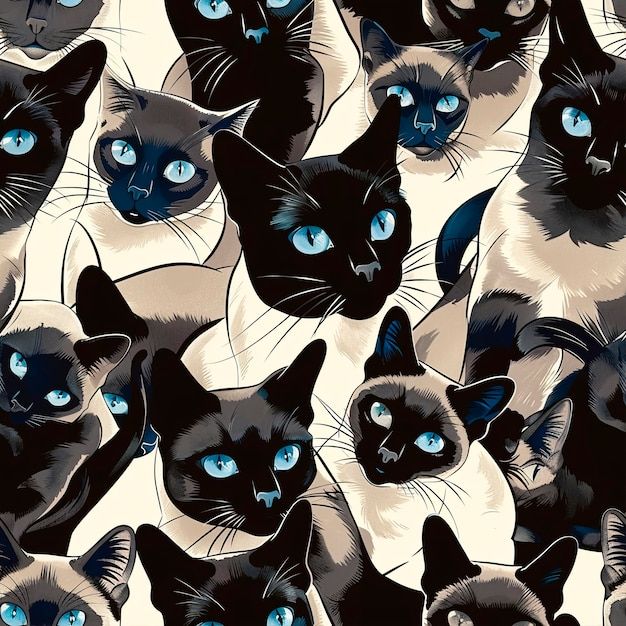
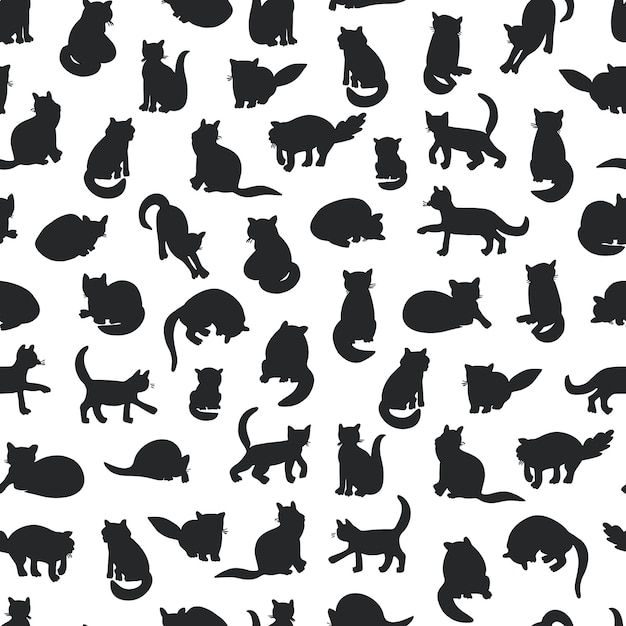
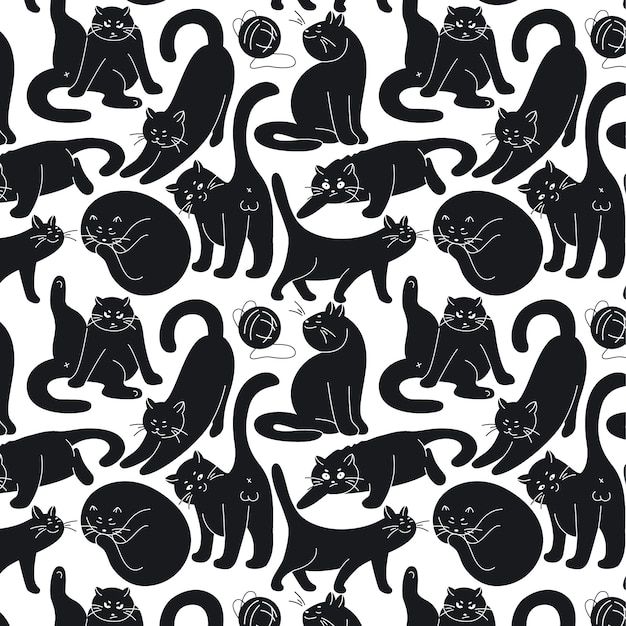
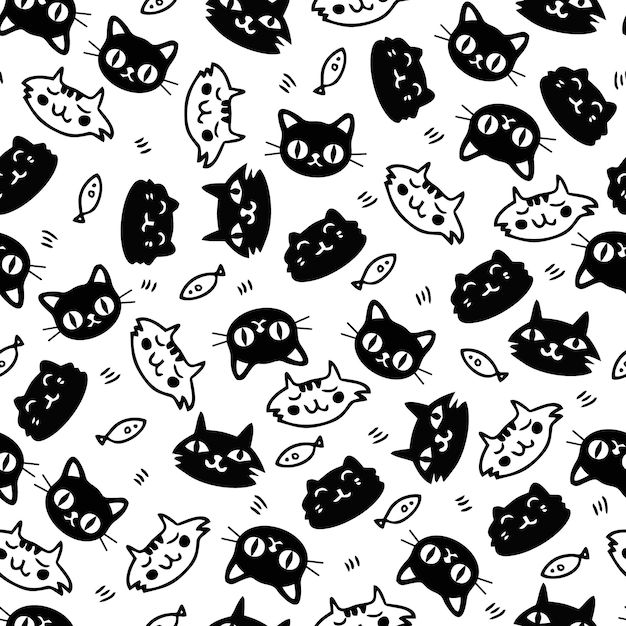
Cat patterns operate on two levels in surface design: as a figurative motif (cats as characters, poses, or silhouettes) and as a reference to feline coat markings (stripes, spots, and tortoiseshell coloration systems). Feline coat pattern provides a rich, naturally occurring visual vocabulary that directly informs pattern design - particularly tabby stripe, tortoiseshell colour mixing, and calico tricolour arrangements. Domestically, cat-themed surface pattern is commercially active in gifting, stationery, home textiles, and children's products.
Cat patterns operate on two levels in surface design: as a figurative motif (cats as characters, poses, or silhouettes) and as a reference to feline coat markings (stripes, spots, and tortoiseshell coloration systems). Feline coat pattern provides a rich, naturally occurring visual vocabulary that directly informs pattern design - particularly tabby stripe, tortoiseshell colour mixing, and calico tricolour arrangements. Domestically, cat-themed surface pattern is commercially active in gifting, stationery, home textiles, and children's products.
Feline coat markings provide a naturalistic pattern vocabulary:
At the figurative level, cat patterns deploy silhouettes, portraits, and character-style illustrations across all-over repeats.
Cat fur marking patterns translate into surface design as:
Cat coat colour vocabulary includes: white, black, blue (grey), brown, silver, golden, cream, fawn, seal, sable, champagne, platinum, lilac, cinnamon, and orange - plus the tortoiseshell black-and-orange combination and the calico tricolour. This provides a naturalistic colour palette for fur-referenced design work. In figurative cat pattern, colourways are unconstrained by the animal's actual coat and may use any palette.
The domestic cat has been depicted in decorative art since ancient Egypt, where cats held religious significance. In surface pattern design, cat motifs became particularly prominent in the 19th century through Japanese woodblock print aesthetics (Utagawa Kuniyoshi's cat prints, 1840s) which influenced European decorative arts. Japanese surface pattern traditions incorporate cats extensively. In contemporary surface design, cat pattern is a high-volume commercial category particularly in gifting and novelty markets. The Cats.com coat pattern taxonomy - distinguishing solid, bicolour, tabby, tortoiseshell, calico, colorpoint, smoke, and shaded patterns - reflects the genuine diversity of visual source material available for surface design reference.
Cat patterns operate on two levels in surface design: as a figurative motif (cats as characters, poses, or silhouettes) and as a reference to feline coat markings (stripes, spots, and tortoiseshell coloration systems).
Animal
Stripe and Scatter
Tabby stripe (mackerel and classic marbled variants) Spotted and rosetted markings Tortoiseshell mottling (black and orange) Calico tricolour patching (black, orange, white) Tuxedo bicolour (black body, white bib/paws) Cat silhouettes, portraits, and character illustrations Cat face and eye close-up motifs
Cat coat colour vocabulary includes: white, black, blue (grey), brown, silver, golden, cream, fawn, seal, sable, champagne, platinum, lilac, cinnamon, and orange - plus the tortoiseshell black-and-orange combination and the calico tricolour. This provides a naturalistic colour palette for fur-referenced design work.
The domestic cat has been depicted in decorative art since ancient Egypt, where cats held religious significance.
Leopard Pattern, Cheetah Pattern, Tiger Pattern, Animal Pattern, and Stripe Pattern