Loading
NEW DESIGNERS ADDED WEEKLY!
The best pattern designers.
Browse & hire professional surface pattern designers for fashion, textiles, interiors & product design.
Browse & hire professional surface pattern designers for fashion, textiles, interiors & product design.
We use cookies to improve your experience and understand how PatternDesigners is used.
Discover pattern styles, motifs & structures used throughout surface pattern design, with visual examples to help you recognise every pattern type.

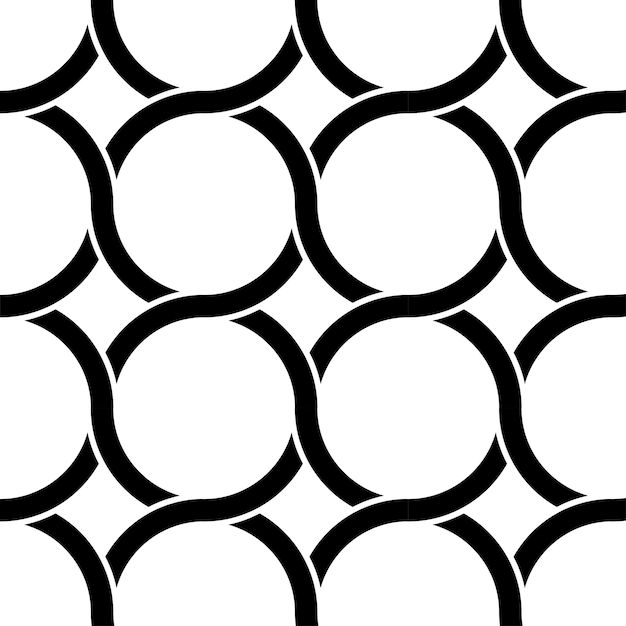
Circle pattern is a broad geometric category in surface design, encompassing everything from the commercial simplicity of the polka dot to the sacred geometry associations of the Flower of Life overlapping-circles grid. The circle as a design element is commercially universal - it appears in children's textiles, modernist fashion prints, home decor, jewellery, and stationery. The overlapping circles grid specifically carries documented use from ancient Assyrian decoration through Roman Empire architecture, Islamic geometric art, and Gothic stonework - giving it both deep historical roots and active contemporary market relevance.
Circle pattern is a broad geometric category in surface design, encompassing everything from the commercial simplicity of the polka dot to the sacred geometry associations of the Flower of Life overlapping-circles grid. The circle as a design element is commercially universal - it appears in children's textiles, modernist fashion prints, home decor, jewellery, and stationery. The overlapping circles grid specifically carries documented use from ancient Assyrian decoration through Roman Empire architecture, Islamic geometric art, and Gothic stonework - giving it both deep historical roots and active contemporary market relevance.
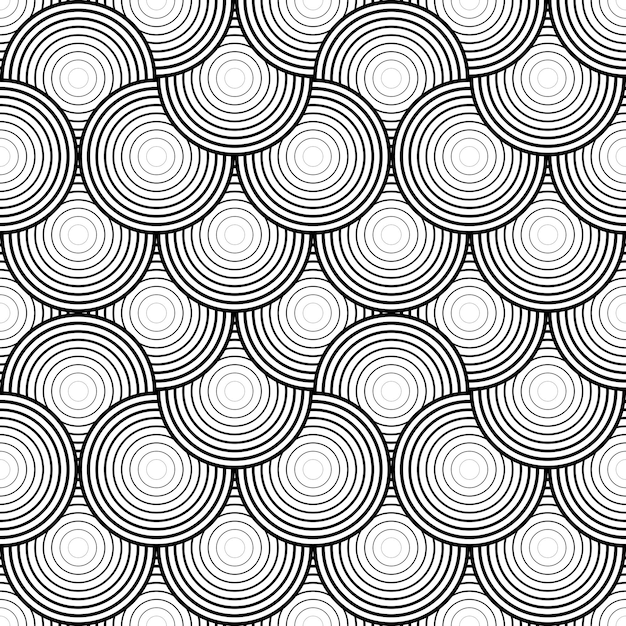
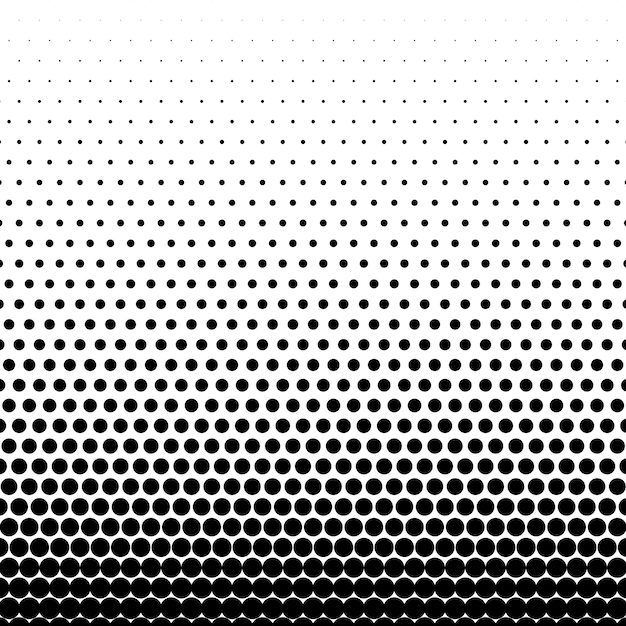
Circle patterns range in visual complexity from the single-element polka dot (a scattered all-over of filled circles on a contrasting ground) through the clean geometric of equally spaced non-overlapping circles, to the complex interlocking geometry of overlapping circle grids. The Flower of Life - seven overlapping circles arranged in a hexagonal pattern - generates a visually dense, symmetrical surface in which multiple secondary shapes (vesica piscis, trefoil, hexafoil) emerge from the intersection zones. At larger scales, circle pattern can feel bold and graphic; at fine scale, it reads as geometric texture.
Circle patterns use several distinct structural approaches:
Circle pattern is compatible with any colourway - its geometric simplicity allows it to function across all market aesthetics. Classic polka dots use high contrast (navy on white, red on white) for maximum graphic legibility. Tonal or monochromatic circle patterns produce a more subtle, textural surface. The Flower of Life and overlapping circles grid are frequently rendered in gold, silver, or white on dark grounds for a sacred geometry or jewellery-adjacent aesthetic.
The overlapping circles grid has a documented history spanning at least 2,600 years. The oldest known example was found in the Assyrian palace of Ashurbanipal (7th-6th century BC) and is now in the Louvre. The pattern appears in Roman Empire architecture; in Islamic girih geometric decoration; and in Gothic stonework and stained glass, where the hexafoil (a six-petal rosette derived from the overlapping circles grid) appears as a decorative element in ecclesiastical architecture. Leonardo da Vinci studied the overlapping circles grid in his geometric investigations. The "Sun of the Alps" - a specific six-petal rosette derived from the grid - appears in 17th-18th-century alpine folk art. The name "Flower of Life" for the seven-circle version is a modern designation used in sacred geometry and new age contexts.
Circle pattern is a broad geometric category in surface design, encompassing everything from the commercial simplicity of the polka dot to the sacred geometry associations of the Flower of Life overlapping-circles grid.
Circle patterns range in visual complexity from the single-element polka dot (a scattered all-over of filled circles on a contrasting ground) through the clean geometric of equally spaced non-overlapping circles, to the complex interlocking geometry of overlapping circle grids.
Geometric
Tessellation and Radial
Polka dot (solid filled circles) Ring or disc (outlined circles) Hexafoil / six-petal rosette (emergent from overlapping circles) Flower of Life (seven-circle overlapping grid) Bubble composition Target/bullseye (concentric circles) Overlapping circles producing vesica piscis or mandorla forms
Circle pattern is compatible with any colourway - its geometric simplicity allows it to function across all market aesthetics. Classic polka dots use high contrast (navy on white, red on white) for maximum graphic legibility. Tonal or monochromatic circle patterns produce a more subtle, textural surface.
The overlapping circles grid has a documented history spanning at least 2,600 years. The oldest known example was found in the Assyrian palace of Ashurbanipal (7th-6th century BC) and is now in the Louvre.
Polka dot Pattern and Geometric Pattern