Loading
NEW DESIGNERS ADDED WEEKLY!
The best pattern designers.
Browse & hire professional surface pattern designers for fashion, textiles, interiors & product design.
Browse & hire professional surface pattern designers for fashion, textiles, interiors & product design.
We use cookies to improve your experience and understand how PatternDesigners is used.
Discover pattern styles, motifs & structures used throughout surface pattern design, with visual examples to help you recognise every pattern type.

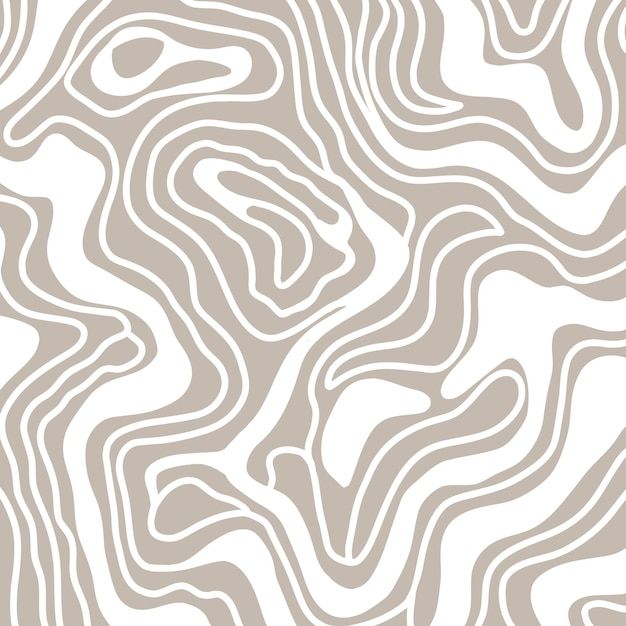
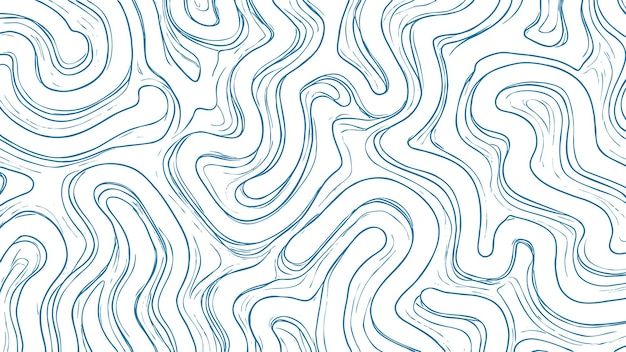
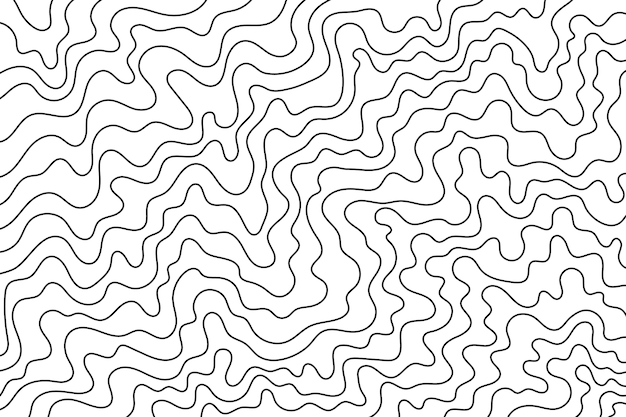
Contour patterns draw from two distinct visual traditions sharing the same vocabulary of lines: cartographic contour mapping (where curved parallel lines reveal terrain relief) and contour drawing in fine art (where line defines the mass and edges of a subject without shading). Both traditions translate into surface pattern design as linear compositions with a characteristic structural and depth-suggesting aesthetic.
Contour patterns draw from two distinct visual traditions sharing the same vocabulary of lines: cartographic contour mapping (where curved parallel lines reveal terrain relief) and contour drawing in fine art (where line defines the mass and edges of a subject without shading). Both traditions translate into surface pattern design as linear compositions with a characteristic structural and depth-suggesting aesthetic.
Topographic-derived contour patterns feature curved parallel lines of consistent weight that flow and converge across the design surface, condensing toward an implied peak and spreading toward flatter areas. The lines suggest three-dimensional landscape read in two dimensions. Contour drawing-inspired patterns use outline-based forms - shapes defined by their edges rather than by fill or shading. Cross-contour applications produce wireframe-like compositions that travel across the surface of a form to emphasise its volume.
Contour patterns are predominantly linear and layered. Topographic patterns use flowing parallel lines in organic all-over layouts that produce an undulating, terrain-like surface. Drawing-derived contour patterns may use single-line outlines of objects in tossed or spaced repeat. Concentric contour compositions (hill viewed from above) produce a bold radial structure.
Topographic-style patterns often use monochrome or two-tone treatments - single line colour on a contrasting ground - reflecting the functional clarity of cartographic originals. Multi-colour gradients evoking hypsometric tinting (elevation bands in distinct colours) provide a more complex colourway option. Both approaches suit a clean, technical aesthetic. Contour drawing-derived patterns suit bold graphic colourways or fine monochromatic line work.
The cartographic contour line as a visual convention developed across several centuries. The oldest known isobath (constant-depth line) appears on a map of the river Spaarne near Haarlem, by Dutchman Pieter Bruinsz, dated 1584. Edmond Halley used related isogon lines on a chart of magnetic variation in 1701. By around 1843, when the Ordnance Survey began regularly recording topographic contour lines in Great Britain and Ireland, the visual grammar of contour mapping was fully established in European cartography.
In visual art, contour drawing - defining form purely through outline - is a foundational practice in life drawing and illustration. Blind contour (drawing without looking at the paper) and cross-contour (lines that travel across a form to suggest its three-dimensional volume) are standard exercises in drawing education.
The topographic map aesthetic entered surface pattern and graphic design as a vocabulary for evoking landscape, technical drawing, or structural depth.
Contour patterns draw from two distinct visual traditions sharing the same vocabulary of lines: cartographic contour mapping (where curved parallel lines reveal terrain relief) and contour drawing in fine art (where line defines the mass and edges of a subject without shading).
Topographic-derived contour patterns feature curved parallel lines of consistent weight that flow and converge across the design surface, condensing toward an implied peak and spreading toward flatter areas. The lines suggest three-dimensional landscape read in two dimensions.
Apparel prints (linear, technically-influenced aesthetics; strong menswear and sportswear appeal) Home textiles and wallpaper (map-inspired feature designs) Outdoor and sportswear branding (topographic association with landscape and activity) Stationery and print design Digital backgrounds and surface licensing
Contour patterns are predominantly linear and layered. Topographic patterns use flowing parallel lines in organic all-over layouts that produce an undulating, terrain-like surface. Drawing-derived contour patterns may use single-line outlines of objects in tossed or spaced repeat.
Abstract
Topographic-style patterns often use monochrome or two-tone treatments - single line colour on a contrasting ground - reflecting the functional clarity of cartographic originals. Multi-colour gradients evoking hypsometric tinting (elevation bands in distinct colours) provide a more complex colourway option.
The cartographic contour line as a visual convention developed across several centuries. The oldest known isobath (constant-depth line) appears on a map of the river Spaarne near Haarlem, by Dutchman Pieter Bruinsz, dated 1584. Edmond Halley used related isogon lines on a chart of magnetic variation in 1701.
Geometric Pattern and Abstract Pattern