Loading
NEW DESIGNERS ADDED WEEKLY!
The best pattern designers.
Browse & hire professional surface pattern designers for fashion, textiles, interiors & product design.
Browse & hire professional surface pattern designers for fashion, textiles, interiors & product design.
We use cookies to improve your experience and understand how PatternDesigners is used.
Discover pattern styles, motifs & structures used throughout surface pattern design, with visual examples to help you recognise every pattern type.

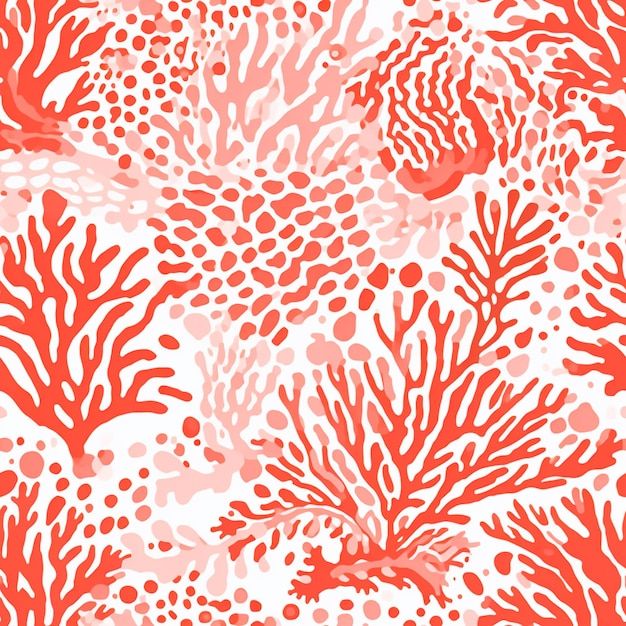
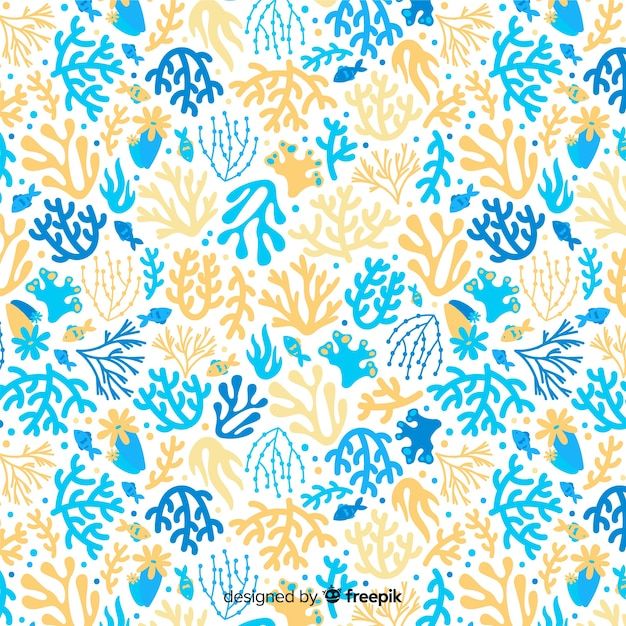
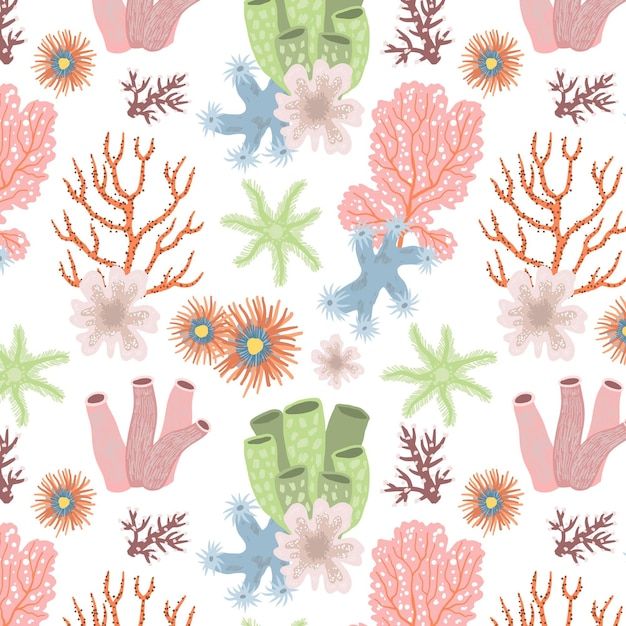
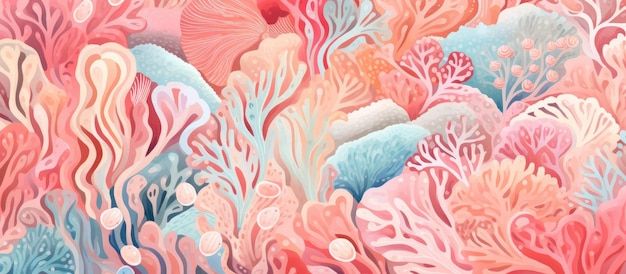
Coral pattern encompasses two related but distinct directions. The first uses marine coral organisms as literal motifs - branching polyp forms, sea fans, and reef structures rendered as conversational or abstract surface patterns. The second uses coral as a dominant colour vocabulary: a warm pinkish-orange positioned between orange and pink, applied across botanical, geometric, abstract, and figurative motif categories. Both directions share tropical and coastal associations and are commercially grouped together in resort, swimwear, and lifestyle product contexts.
Coral pattern encompasses two related but distinct directions. The first uses marine coral organisms as literal motifs - branching polyp forms, sea fans, and reef structures rendered as conversational or abstract surface patterns. The second uses coral as a dominant colour vocabulary: a warm pinkish-orange positioned between orange and pink, applied across botanical, geometric, abstract, and figurative motif categories. Both directions share tropical and coastal associations and are commercially grouped together in resort, swimwear, and lifestyle product contexts.
Marine coral motifs range from realistic biological illustrations of branching coral polyps and skeletal structures to stylised, abstract, or geometric reef-form interpretations. When coral is used as a colour field, the supporting motifs - tropical florals, palm leaves, organic abstracts, or clean geometrics - are energised by the warmth of the ground or print colour. The colour's pinkish-orange warmth reads as confident and contemporary without the aggression of pure orange or the gender-coding of pure pink.
Marine coral motifs typically appear in all-over tossed or scattered repeats, often combined with other tropical or nautical elements. Colour-dominant coral patterns use any structure from placement print to all-over - the colour is the unifying element rather than a specific motif arrangement. Density management matters more than usual given the colour's inherent visual energy: medium-density patterns allow individual motifs to remain distinguishable.
Coral's most commercially active palette pairings:
Pantone named Living Coral its Colour of the Year in 2019, cementing coral's contemporary commercial relevance.
Coral as a design colour draws on its material connection to reef ecosystems - a natural association with tropical destinations, ocean environments, and living natural systems. The colour's commercial positioning as gender-neutral and universally appealing developed during the 2010s, broadening its market applicability beyond traditionally feminine contexts. Marine coral as a surface motif belongs to the wider coastal and nautical conversational print tradition, which expanded significantly through resort wear and tropical tourism from the mid-20th century onward.
Coral pattern encompasses two related but distinct directions. The first uses marine coral organisms as literal motifs - branching polyp forms, sea fans, and reef structures rendered as conversational or abstract surface patterns.
Marine coral motifs range from realistic biological illustrations of branching coral polyps and skeletal structures to stylised, abstract, or geometric reef-form interpretations.
Colour
Marine coral motifs typically appear in all-over tossed or scattered repeats, often combined with other tropical or nautical elements. Colour-dominant coral patterns use any structure from placement print to all-over - the colour is the unifying element rather than a specific motif arrangement.
Marine
Tropical and Nautical
Coral as a design colour draws on its material connection to reef ecosystems - a natural association with tropical destinations, ocean environments, and living natural systems.
Tropical Pattern and Botanical Pattern