Loading
NEW DESIGNERS ADDED WEEKLY!
The best pattern designers.
Browse & hire professional surface pattern designers for fashion, textiles, interiors & product design.
Browse & hire professional surface pattern designers for fashion, textiles, interiors & product design.
We use cookies to improve your experience and understand how PatternDesigners is used.
Discover pattern styles, motifs & structures used throughout surface pattern design, with visual examples to help you recognise every pattern type.

In the context of surface pattern design (textiles, wallpaper, packaging), a designer pattern is a continuous, seamless repeat applied to the surfaces of mass-manufactured products. The designer creates a base unit - the motif - and arranges it in a systematic grid or sequence so that the edges tile perfectly when repeated. The discipline's focus is how artwork scales, repeats, and reads across physical products and surfaces. The term "pattern design" also applies in other fields - garment pattern making (structural templates for cutting cloth) and software engineering (reusable architectural blueprints) - but in the surface pattern context, it refers specifically to the visual repeat design discipline.
In the context of surface pattern design (textiles, wallpaper, packaging), a designer pattern is a continuous, seamless repeat applied to the surfaces of mass-manufactured products. The designer creates a base unit - the motif - and arranges it in a systematic grid or sequence so that the edges tile perfectly when repeated. The discipline's focus is how artwork scales, repeats, and reads across physical products and surfaces.
The term "pattern design" also applies in other fields - garment pattern making (structural templates for cutting cloth) and software engineering (reusable architectural blueprints) - but in the surface pattern context, it refers specifically to the visual repeat design discipline.
Designer patterns take no fixed visual form - the term describes a process and structure rather than a specific aesthetic. The defining characteristic is the seamless repeat: the point at which adjacent tiles meet is invisible, producing the impression of a continuous designed surface.
The core structural requirement is the seamless tile: edges must align precisely when repeated. Common repeat structures include:
Any motif type. The surface pattern design discipline is motif-agnostic - florals, geometrics, abstracts, conversational prints, and typographic patterns are all produced through the same repeat design process.
No fixed palette or style. Designer patterns span the full range of commercial aesthetics, from classic heritage prints to contemporary digital-native design.
Surface pattern design as a defined commercial practice formalised alongside industrial textile production in the 19th century, when mechanical printing methods required motifs to be prepared as precision repeat tiles. The discipline expanded through the 20th century with the growth of print-on-demand, licensing markets, and digital design tools. Contemporary surface pattern designers work primarily in Adobe Illustrator, Procreate, and Photoshop to prepare and tile repeat units for commercial licensing and production.
The discipline of surface pattern design supplies repeat patterns to:
In the context of surface pattern design (textiles, wallpaper, packaging), a designer pattern is a continuous, seamless repeat applied to the surfaces of mass-manufactured products.
Designer patterns take no fixed visual form - the term describes a process and structure rather than a specific aesthetic. The defining characteristic is the seamless repeat: the point at which adjacent tiles meet is invisible, producing the impression of a continuous designed surface.
The discipline of surface pattern design supplies repeat patterns to: Fabric manufacturers (woven, printed, knitted textiles) Wallpaper producers Stationery and paper goods Packaging and product design Home furnishings (cushions, curtains, rugs, bedding)
The core structural requirement is the seamless tile: edges must align precisely when repeated.
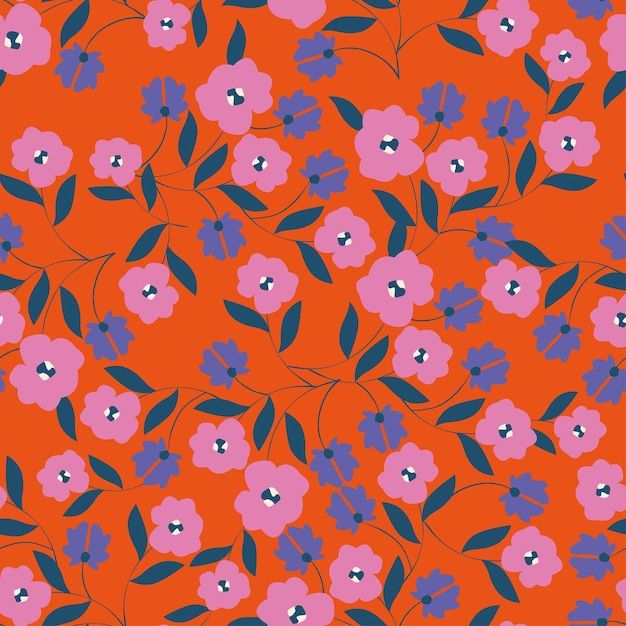
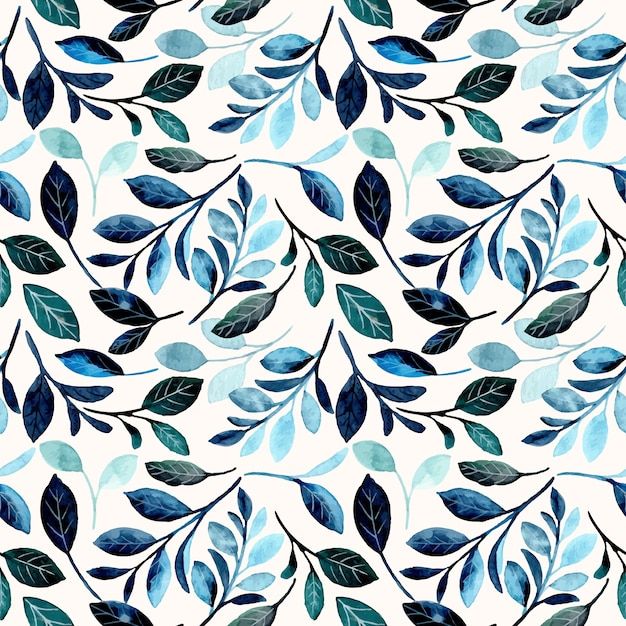
Any motif type. The surface pattern design discipline is motif-agnostic - florals, geometrics, abstracts, conversational prints, and typographic patterns are all produced through the same repeat design process.
No fixed palette or style. Designer patterns span the full range of commercial aesthetics, from classic heritage prints to contemporary digital-native design.
Surface pattern design as a defined commercial practice formalised alongside industrial textile production in the 19th century, when mechanical printing methods required motifs to be prepared as precision repeat tiles.