Loading
NEW DESIGNERS ADDED WEEKLY!
The best pattern designers.
Browse & hire professional surface pattern designers for fashion, textiles, interiors & product design.
Browse & hire professional surface pattern designers for fashion, textiles, interiors & product design.
We use cookies to improve your experience and understand how PatternDesigners is used.
Discover pattern styles, motifs & structures used throughout surface pattern design, with visual examples to help you recognise every pattern type.

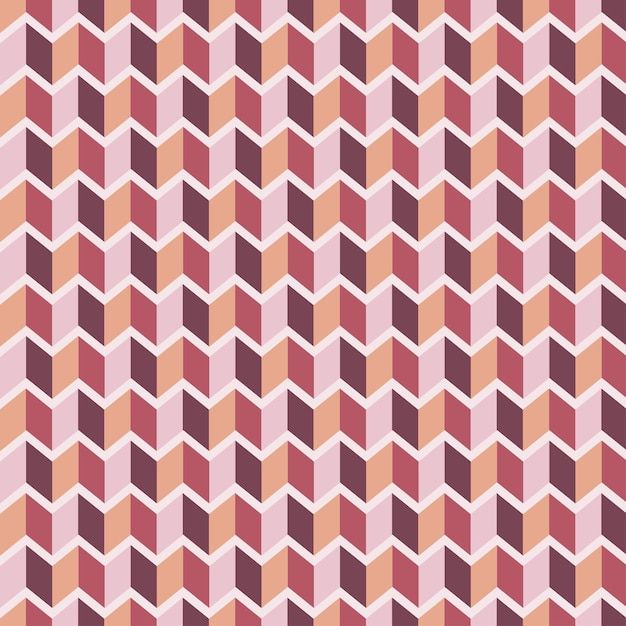
A directional pattern is one where the motifs or compositional elements read correctly only from one or a limited set of angles. Rotating or inverting the fabric makes the pattern appear wrong - animals face downward, flowers hang upside down, text becomes unreadable. This property is intrinsic to many figurative, scenic, and novelty prints and has direct practical implications for fabric cutting, garment making, and quilt construction. Directionality is a structural classification rather than an aesthetic category: a pattern is either directional or it is not.
A directional pattern is one where the motifs or compositional elements read correctly only from one or a limited set of angles. Rotating or inverting the fabric makes the pattern appear wrong - animals face downward, flowers hang upside down, text becomes unreadable. This property is intrinsic to many figurative, scenic, and novelty prints and has direct practical implications for fabric cutting, garment making, and quilt construction. Directionality is a structural classification rather than an aesthetic category: a pattern is either directional or it is not.
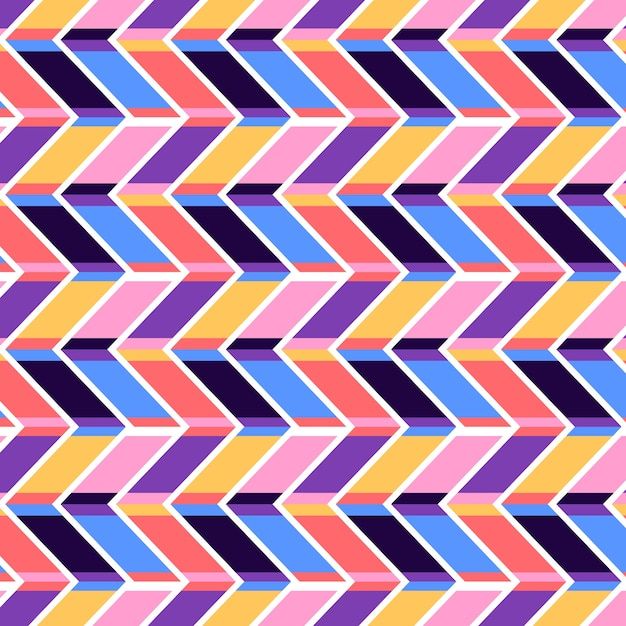
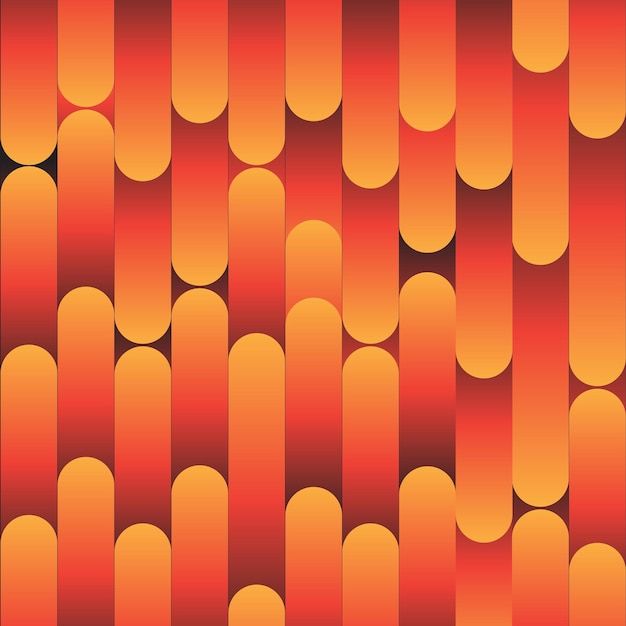
The defining characteristic is immediately readable: the motifs clearly have a correct orientation. Animals face upward, flowers sit on stems, raindrops fall, faces are the right way up. Non-directional designs, by contrast, look identical regardless of rotation - a starburst, a geometric trellis, or a tossed abstract scatter are all undirectional. One-way directional prints are visually the most constrained; the pattern's single correct orientation is unmistakable.
Directional layouts classify by the number of orientations the design uses:
Any motif with a clear 'up':
Directionality is a structural property, independent of colour or style. It applies equally to bold novelty prints, delicate florals, children's character fabrics, and classic toile.
Directionality has been a practical consideration in textile production since printed fabrics entered wide commercial production. Quilters and dressmakers have developed specific cutting methods to manage directional fabrics - including cutting all pieces from the same strip orientation and purchasing additional yardage to compensate for the layout inefficiencies directional designs create. For quilting, managing a directional print within pieced blocks (particularly half-square triangles and flying geese units) requires planning the stitching direction to control how the print orientation reads in the finished unit.
The Artlandia surface pattern design glossary formally classifies directional layouts (one-way, two-way, four-way) as a foundational dimension of repeat structure alongside unit shape and placement.
A directional pattern is one where the motifs or compositional elements read correctly only from one or a limited set of angles. Rotating or inverting the fabric makes the pattern appear wrong - animals face downward, flowers hang upside down, text becomes unreadable.
The defining characteristic is immediately readable: the motifs clearly have a correct orientation. Animals face upward, flowers sit on stems, raindrops fall, faces are the right way up.
Fundamentals
Symmetry
Any motif with a clear 'up': Animals and birds (facing left, right, or upward) Human faces and figures Flowers on stems or stalks Text and typography Raindrops, teardrops, gravity-influenced forms Scenic and landscape compositions Vehicles, objects with clear fronts
Directionality is a structural property, independent of colour or style. It applies equally to bold novelty prints, delicate florals, children's character fabrics, and classic toile.
Directionality has been a practical consideration in textile production since printed fabrics entered wide commercial production.