Loading
NEW DESIGNERS ADDED WEEKLY!
The best pattern designers.
Browse & hire professional surface pattern designers for fashion, textiles, interiors & product design.
Browse & hire professional surface pattern designers for fashion, textiles, interiors & product design.
We use cookies to improve your experience and understand how PatternDesigners is used.
Discover pattern styles, motifs & structures used throughout surface pattern design, with visual examples to help you recognise every pattern type.

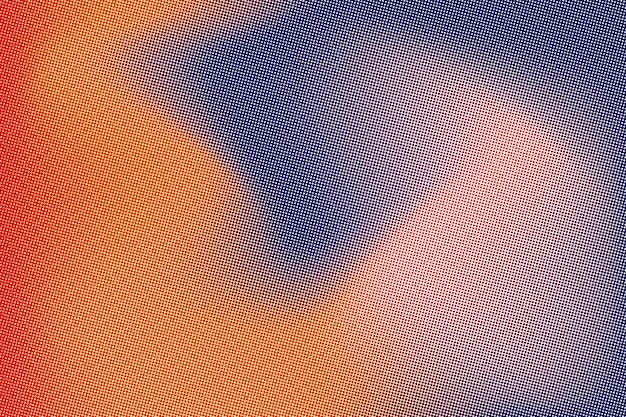
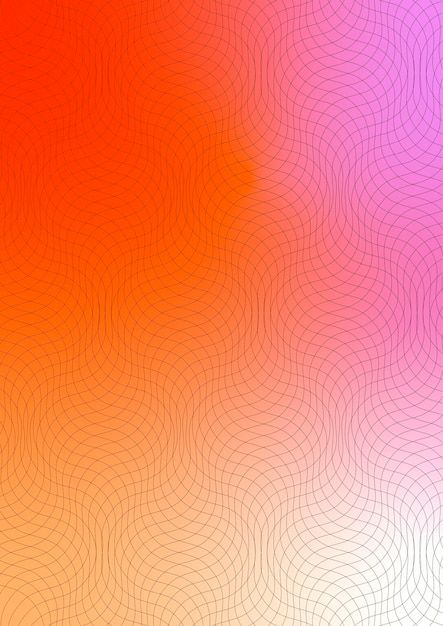
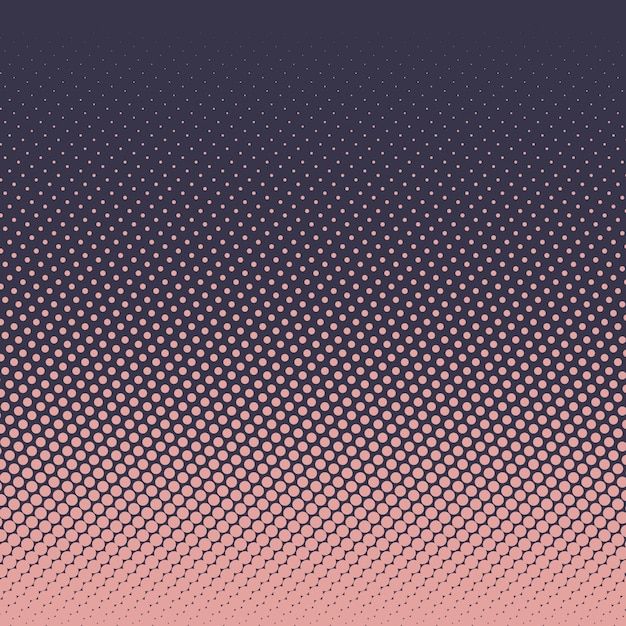
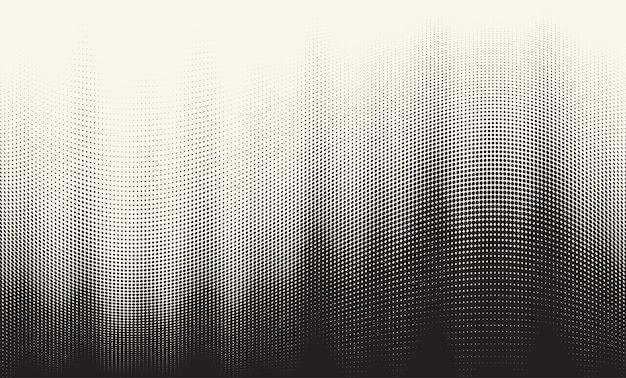
A gradient (also called a colour gradation or degradé) is a continuous tonal or chromatic transition between two or more colours across a surface. In surface pattern design, gradients are used both as a background technique behind motif-based compositions and as the primary visual element in their own right - gradient-wash backgrounds, ombré textiles, and gradient-fill geometric patterns. The gradient technique has been used in print and textile production since the 19th century and is now a core tool in digital design software, particularly Adobe Illustrator.
A gradient (also called a colour gradation or degradé) is a continuous tonal or chromatic transition between two or more colours across a surface. In surface pattern design, gradients are used both as a background technique behind motif-based compositions and as the primary visual element in their own right - gradient-wash backgrounds, ombré textiles, and gradient-fill geometric patterns. The gradient technique has been used in print and textile production since the 19th century and is now a core tool in digital design software, particularly Adobe Illustrator.
A gradient is defined by its smooth, uninterrupted colour transition - the visual absence of a clear boundary between colours. The blending can be subtle (tonal variation within a single hue) or dramatic (full hue shift from one colour to another). When gradient is applied to a fabric or surface, the resulting ombré or wash effect gives a sense of light, atmosphere, or movement that flat colour cannot achieve. In contemporary digital design, gradient effects are used in flat vector compositions to add depth and visual interest without additional motif elements.
Gradient patterns are classified by their geometry - the axis or form along which the colour transition occurs:
Gradient is a colour technique rather than a motif-based category - it applies to shapes and backgrounds rather than generating its own motif vocabulary. Common applications include: ombré stripe (a striped layout where colour shifts progressively along the stripe width), gradient geometric (flat geometric shapes filled with gradient colour), gradient wash (a background gradation over which motifs are layered), and degradé weave (a woven textile version of the gradient using progressive yarn colour changes).
Gradient can use any colour combination. Current commercial applications favour:
High-profile contemporary logo gradients include Instagram (purple/pink/orange/yellow), Microsoft Edge (blue/green), and Tinder (orange/pink) - demonstrating the association of gradient treatment with digital-native brand identity.
The gradient technique in print production dates to the 1880s - Jules Chéret's three-stone lithography process allowed smooth chromatic transitions in colour printing, producing the characteristic warm tonal ranges of his Belle Époque poster work. In textile production, the degradé weave (warp yarn progressively shifted in colour) created ombré effects on handwoven fabrics long before digital reproduction. The introduction of digital gradient tools in Adobe Illustrator and Photoshop from the late 1980s made precise gradient production accessible to surface designers. The gradient has seen commercial revival as a dominant surface design trend through the 2010s and 2020s, driven by digital brand identity and social media aesthetics.
A gradient (also called a colour gradation or degradé) is a continuous tonal or chromatic transition between two or more colours across a surface.
A gradient is defined by its smooth, uninterrupted colour transition - the visual absence of a clear boundary between colours. The blending can be subtle (tonal variation within a single hue) or dramatic (full hue shift from one colour to another).
Fundamentals
Gradient
Gradient is a colour technique rather than a motif-based category - it applies to shapes and backgrounds rather than generating its own motif vocabulary.
Gradient can use any colour combination.
The gradient technique in print production dates to the 1880s - Jules Chéret's three-stone lithography process allowed smooth chromatic transitions in colour printing, producing the characteristic warm tonal ranges of his Belle Époque poster work.
Ombré Pattern, Stripe Pattern, and Digital Pattern