Loading
NEW DESIGNERS ADDED WEEKLY!
The best pattern designers.
Browse & hire professional surface pattern designers for fashion, textiles, interiors & product design.
Browse & hire professional surface pattern designers for fashion, textiles, interiors & product design.
We use cookies to improve your experience and understand how PatternDesigners is used.
Discover pattern styles, motifs & structures used throughout surface pattern design, with visual examples to help you recognise every pattern type.

Grey is a commercially dominant colour in surface pattern design, particularly in contemporary interiors and fashion, where its associations with restraint, sophistication, and modernity make it a neutral anchor for multi-pattern compositions. The grey spectrum ranges from near-white (gainsboro, platinum, silver) through mid-tone charcoal to near-black (graphite, lead). Critically, grey divides into cool greys (with blue or green undertones) and warm greys (with brown, pink, or red undertones) - a distinction that significantly affects how grey-based patterns read alongside other colours.
Grey is a commercially dominant colour in surface pattern design, particularly in contemporary interiors and fashion, where its associations with restraint, sophistication, and modernity make it a neutral anchor for multi-pattern compositions. The grey spectrum ranges from near-white (gainsboro, platinum, silver) through mid-tone charcoal to near-black (graphite, lead). Critically, grey divides into cool greys (with blue or green undertones) and warm greys (with brown, pink, or red undertones) - a distinction that significantly affects how grey-based patterns read alongside other colours.
The key commercial distinction within grey is the undertone: cool greys lean blue or green and read as modern, crisp, and Scandinavian in aesthetic; warm greys lean brown or pink and read as soft, earthy, and compatible with natural materials. The special case of "greige" (grey + beige) - a warm grey-beige combination - is commercially significant in interiors and was popularised by Giorgio Armani in 1975 as part of his signature palette. Achromatic grey (no chromatic component, purely between white and black) is used in graphic design but is less common in surface pattern, where a slight colour cast is typically preferred for visual warmth or character.
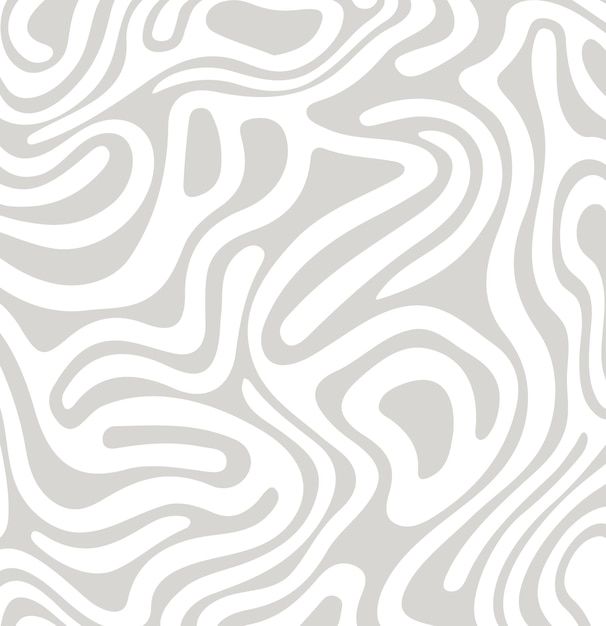
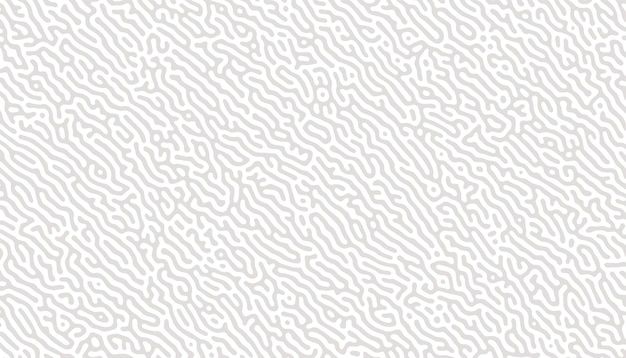
Grey functions as a colour applied to any pattern structure. Grey-dominant patterns are most commercially active as: monochromatic grey patterns (tonal variations of grey as the only colour, creating texture through value contrast); grey-and-white geometric or floral patterns (the most commercially pervasive format in contemporary interiors); and grey as the ground colour in multi-colour surface designs.
Grey is not a motif category - it is a colour identity resource. Grey is most commercially associated with:
Documented named grey shades with design relevance:
Grey gained significant commercial prominence in interiors from the 2000s onwards, displacing the beige palettes that had dominated residential interiors through the 1990s. The rise of Scandinavian-influenced design (particularly from brands like Ikea and from wider Scandi design export) brought cool grey into mainstream commercial use in furnishing textiles and wallpaper. Rose Quartz (Pantone Colour of the Year 2016, alongside Serenity) drove a specific warm-grey aesthetic closely associated with wellness, femininity, and social media interiors culture. In fashion, grey anchors the menswear suit tradition (charcoal and mid-grey) and has had sustained presence in womenswear as a sophisticated neutral.
Grey is a commercially dominant colour in surface pattern design, particularly in contemporary interiors and fashion, where its associations with restraint, sophistication, and modernity make it a neutral anchor for multi-pattern compositions.
The key commercial distinction within grey is the undertone: cool greys lean blue or green and read as modern, crisp, and Scandinavian in aesthetic; warm greys lean brown or pink and read as soft, earthy, and compatible with natural materials.
Colour
Grey functions as a colour applied to any pattern structure.
Grey is not a motif category - it is a colour identity resource.
Minimalist
Grey gained significant commercial prominence in interiors from the 2000s onwards, displacing the beige palettes that had dominated residential interiors through the 1990s.
Concrete Pattern, Herringbone Pattern, Houndstooth Pattern, and Geometric Pattern