Loading
NEW DESIGNERS ADDED WEEKLY!
The best pattern designers.
Browse & hire professional surface pattern designers for fashion, textiles, interiors & product design.
Browse & hire professional surface pattern designers for fashion, textiles, interiors & product design.
We use cookies to improve your experience and understand how PatternDesigners is used.
Discover pattern styles, motifs & structures used throughout surface pattern design, with visual examples to help you recognise every pattern type.

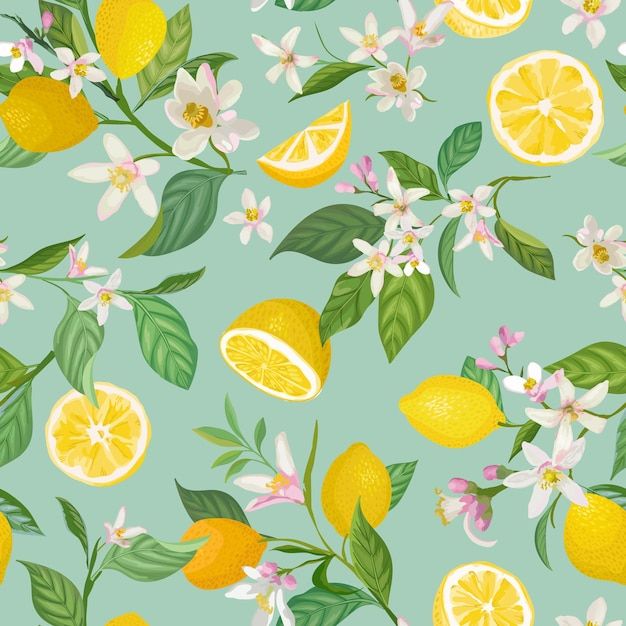
Lemon patterns draw from a well-established decorative tradition connecting citrus imagery with Italian and Mediterranean coastal culture. The motif combines immediate visual appeal - the saturated yellow of ripe lemons against deep green foliage - with strong lifestyle associations: Sorrento, the Amalfi Coast, outdoor dining, and warm climate leisure. The lemon pattern is one of the most commercially durable fruit motifs in surface design, present across product categories from luxury fashion to mass-market homeware. Citrus patterns (lemons, oranges, pomegranates) are periodically identified as interior trend drivers. A 2023 trend report cited in Livingetc noted citrus motifs undergoing contemporary re-interpretation in a "Mediterranean-inspired" direction linked to Italian Maximalism and a shift away from simpler florals.
Lemon patterns draw from a well-established decorative tradition connecting citrus imagery with Italian and Mediterranean coastal culture. The motif combines immediate visual appeal - the saturated yellow of ripe lemons against deep green foliage - with strong lifestyle associations: Sorrento, the Amalfi Coast, outdoor dining, and warm climate leisure. The lemon pattern is one of the most commercially durable fruit motifs in surface design, present across product categories from luxury fashion to mass-market homeware.
Citrus patterns (lemons, oranges, pomegranates) are periodically identified as interior trend drivers. A 2023 trend report cited in Livingetc noted citrus motifs undergoing contemporary re-interpretation in a "Mediterranean-inspired" direction linked to Italian Maximalism and a shift away from simpler florals.
Lemon patterns are characterised by:
Common layout types:
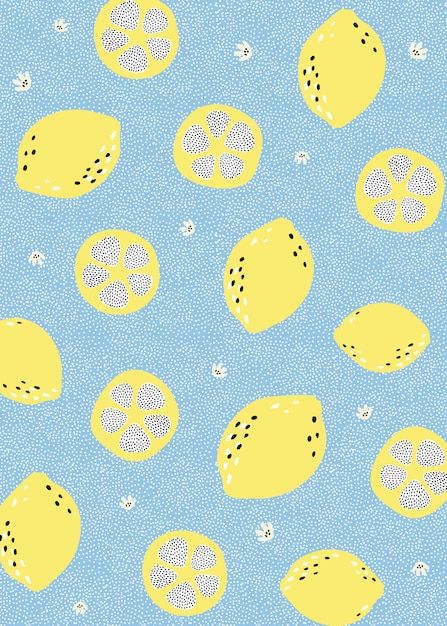
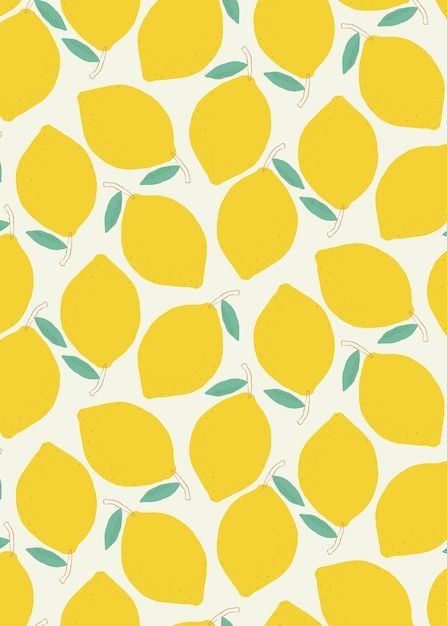
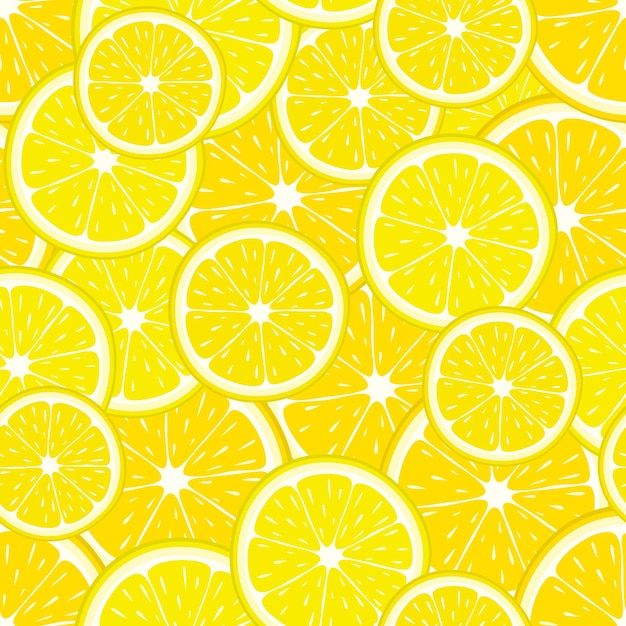
Style range spans hyperrealistic watercolour to flat geometric to vintage botanical sketch to minimal line drawing.
Core palette: lemon yellow, leaf green, white/cream, warm terracotta. Secondary palette connections: cobalt blue (for Amalfi/Sorrento ceramics tile reference), navy, sage, dusty olive.
Style range: botanical realism (watercolour, gouache), flat graphic (vector fills, Matisse-influenced flat colour), vintage/retro (stipple illustration, 1950s-1970s summer aesthetic), contemporary maximalist (dense arrangements, high saturation, pattern-drenching applications).
The Schumacher/Josef Frank Citrus Garden design is cited as a mid-century reference; Cole & Son x Fornasetti collaborations as a contemporary luxury example.
Lemons and oranges have been used in Italian decorative arts for centuries - appearing in Majolica ceramics, frescoes, and textile traditions from the Renaissance onwards. The fruit's association with wealth (citrus was historically expensive and exotic in Northern Europe) contributed to its decorative use as a status symbol.
In 20th-century fashion, lemon prints are particularly associated with Italian summer fashion - Dolce & Gabbana have produced well-documented lemon print collections. The contemporary citrus trend (2023 onwards) represents a continuation of this tradition in a maximalist, Mediterranean Maximalist framing, partly driven by cultural references to Italian coastal settings in popular media.
Lemon patterns draw from a well-established decorative tradition connecting citrus imagery with Italian and Mediterranean coastal culture.
Food
Scatter
Botanical
Core palette: lemon yellow, leaf green, white/cream, warm terracotta. Secondary palette connections: cobalt blue (for Amalfi/Sorrento ceramics tile reference), navy, sage, dusty olive.
Lemons and oranges have been used in Italian decorative arts for centuries - appearing in Majolica ceramics, frescoes, and textile traditions from the Renaissance onwards.