Loading
NEW DESIGNERS ADDED WEEKLY!
The best pattern designers.
Browse & hire professional surface pattern designers for fashion, textiles, interiors & product design.
Browse & hire professional surface pattern designers for fashion, textiles, interiors & product design.
We use cookies to improve your experience and understand how PatternDesigners is used.
Discover pattern styles, motifs & structures used throughout surface pattern design, with visual examples to help you recognise every pattern type.

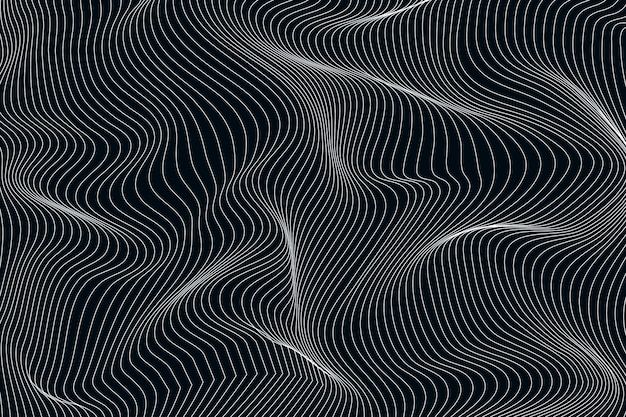
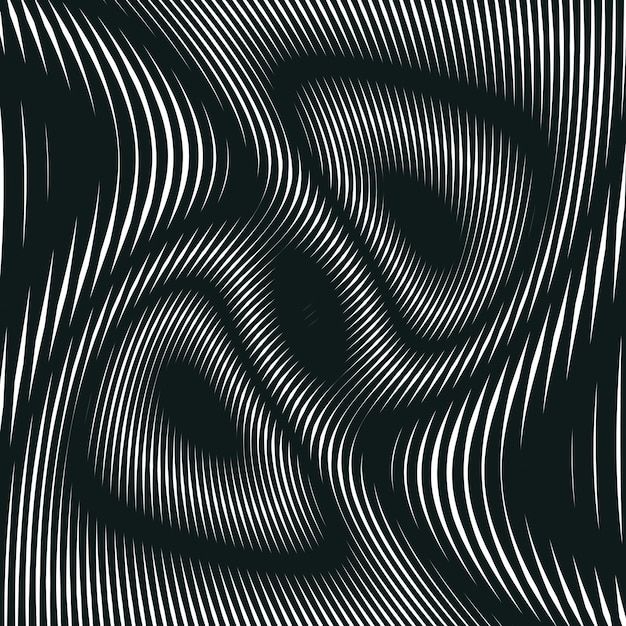
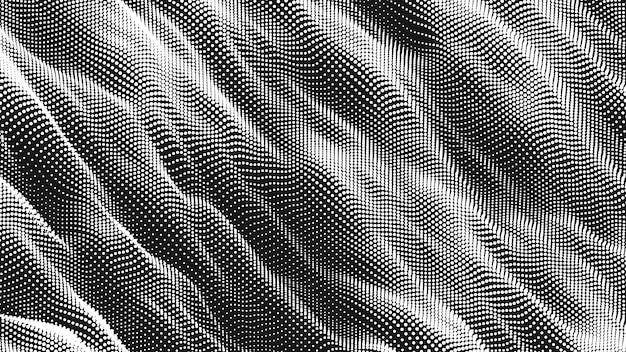
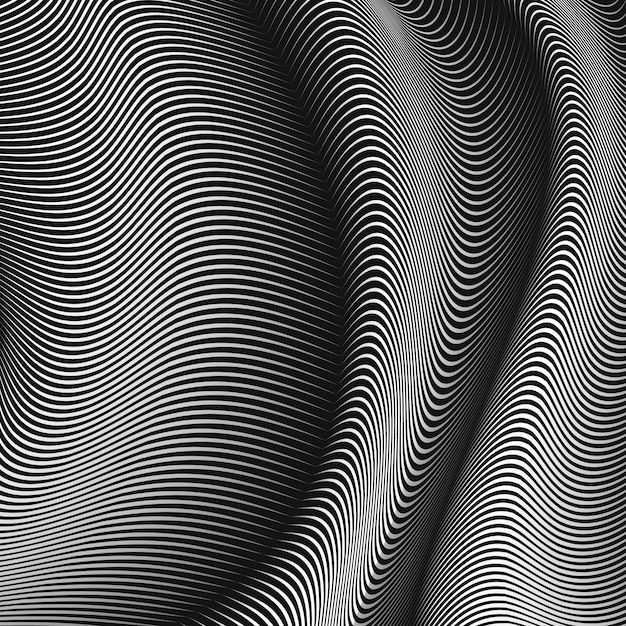
A moiré pattern is a large-scale visual interference effect that appears when two repeating visual patterns (such as grids, lines, or dots) are overlaid with a slight rotation, offset, or scale difference between them. The visual result is a new, emergent large-scale pattern - typically a series of waves, arcs, or flowing curves - that is not present in either original pattern individually. The moiré effect is both an unintended printing artefact (a problem in halftone printing and digital photography) and a deliberately exploited optical tool in textile production, security printing, and scientific instrumentation. The term derives from the French word for a specific watered-silk textile, which produces a natural moiré effect through its weave structure.
A moiré pattern is a large-scale visual interference effect that appears when two repeating visual patterns (such as grids, lines, or dots) are overlaid with a slight rotation, offset, or scale difference between them. The visual result is a new, emergent large-scale pattern - typically a series of waves, arcs, or flowing curves - that is not present in either original pattern individually. The moiré effect is both an unintended printing artefact (a problem in halftone printing and digital photography) and a deliberately exploited optical tool in textile production, security printing, and scientific instrumentation. The term derives from the French word for a specific watered-silk textile, which produces a natural moiré effect through its weave structure.
A moiré pattern produces large-scale wave-like or fringe-like patterns that flow across the surface as a secondary visual layer over the original repeating elements. The emergent pattern can take the form of: concentric rings (when two circular patterns are slightly offset), parallel bands (when two line patterns are slightly rotated), or complex flowing curves (in more complex overlays). The scale of the emergent moiré pattern is inversely related to the degree of mismatch between the two layers - a very slight rotation produces large-scale, slow-moving moiré patterns; a larger angular difference produces finer, faster-moving interference.
Two distinct optical categories of moiré are documented:
Moiré is a structural optical phenomenon rather than a motif-based category. Its appearance depends on the underlying patterns being overlaid. In textile applications, the moiré effect on woven fabric (particularly ribbed silk or taffeta) produces a characteristic rippling water-like surface pattern - hence the name from "watered silk." In surface design referencing the moiré effect, designers typically simulate the wave or fringe pattern associated with the optical phenomenon.
Moiré textile (woven) is characteristically a single-colour or two-colour sheen effect - the pattern appears through the differential light reflection of the woven surface rather than through chromatic difference. Silk moiré fabric in natural silk colours (cream, ivory, black) is the traditional luxury form. In printed moiré simulation, any colour ground is possible - the moiré wave pattern is typically printed as a lighter or darker tonal variation over a solid ground.
The term "moiré" derives from the French word for a specific watered-silk textile. The French noun for this textile dates to the 17th century and is itself a loanword from English "mohair," reflecting the trade history of luxury textiles between England and France. The watered appearance of moiré silk is produced by pressing two layers of ribbed silk fabric together while damp - the ribbed weave structures create a registration mismatch producing the characteristic water-pattern on the surface. This physical textile technique for producing decorative moiré effects dates to before the 17th century. In modern applications, moiré is used deliberately in security printing - banknotes, passports, and official documents use moiré patterns as anti-counterfeiting measures, since the patterns are disrupted when photocopied or digitally reproduced. Maritime navigation has used projected moiré light patterns to guide ships into harbour. In digital photography and TV production, moiré is an unintended artefact produced when finely-patterned fabric (stripes, fine checks) is captured by a digital sensor - the digital pixel grid interferes with the fabric's pattern grid to produce unwanted moiré banding in the image.
A moiré pattern is a large-scale visual interference effect that appears when two repeating visual patterns (such as grids, lines, or dots) are overlaid with a slight rotation, offset, or scale difference between them.
A moiré pattern produces large-scale wave-like or fringe-like patterns that flow across the surface as a secondary visual layer over the original repeating elements.
Fundamentals
Stripe
Moiré is a structural optical phenomenon rather than a motif-based category. Its appearance depends on the underlying patterns being overlaid. " In surface design referencing the moiré effect, designers typically simulate the wave or fringe pattern associated with the optical phenomenon.
Moiré textile (woven) is characteristically a single-colour or two-colour sheen effect - the pattern appears through the differential light reflection of the woven surface rather than through chromatic difference. Silk moiré fabric in natural silk colours (cream, ivory, black) is the traditional luxury form.
The term "moiré" derives from the French word for a specific watered-silk textile. The French noun for this textile dates to the 17th century and is itself a loanword from English "mohair," reflecting the trade history of luxury textiles between England and France.
Wave Pattern