Loading
NEW DESIGNERS ADDED WEEKLY!
The best pattern designers.
Browse & hire professional surface pattern designers for fashion, textiles, interiors & product design.
Browse & hire professional surface pattern designers for fashion, textiles, interiors & product design.
We use cookies to improve your experience and understand how PatternDesigners is used.
Discover pattern styles, motifs & structures used throughout surface pattern design, with visual examples to help you recognise every pattern type.

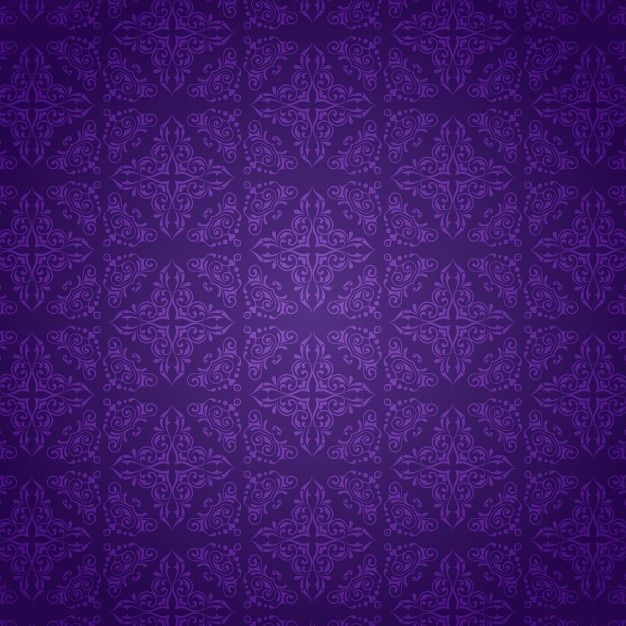
Purple-based patterns are defined by their hue range rather than a specific motif type. In surface pattern design, purple functions as both a dominant ground colour and an accent tone, carrying strong associations with luxury, creativity, and the unconventional. The colour's historical rarity and cost gave it lasting associations with royalty and prestige that continue to inform how purple reads in contemporary design.
Purple-based patterns are defined by their hue range rather than a specific motif type. In surface pattern design, purple functions as both a dominant ground colour and an accent tone, carrying strong associations with luxury, creativity, and the unconventional. The colour's historical rarity and cost gave it lasting associations with royalty and prestige that continue to inform how purple reads in contemporary design.
Purple patterns can range from deep, saturated violet and magenta through to soft lavender and lilac. The colour sits between red and blue on the spectrum and produces different visual effects depending on its bias: red-leaning purples read warmer and more intense; blue-leaning purples read cooler and more refined. Purple paired with gold or black reads as regal and formal; purple with white or grey reads as delicate and romantic.
Purple is used across all pattern structures - florals, geometric, abstract, botanical, and decorative. It is not tied to a particular repeat type but functions as a colour direction that can be applied to any motif family. In practice, purple patterns frequently appear in maximalist floral designs, Art Nouveau-inspired decorative work, and contemporary abstract prints.
Purple is commonly associated with specific floral motifs: lavender, wisteria, lilac, iris, orchid, and violet. In decorative contexts, purple appears in Byzantine and medieval-inspired ornamental patterns. In fashion and home design, abstract purple patterns draw on the colour's associations with creativity and the unconventional.
The purple spectrum includes:
Tyrian purple - produced historically from sea snails - was the most prized dye of the ancient world and restricted to royalty. Modern synthetic mauveine (discovered by William Perkin in 1856) made purple accessible to mass markets for the first time, rapidly popularising the colour in Victorian fashion and textile printing.
Tyrian purple from the murex mollusc was the defining luxury dye of ancient Mediterranean cultures, worn exclusively by emperors and high priests. Han purple was a synthetic pigment developed in ancient China. The accidental synthesis of mauveine by William Perkin in 1856 was a pivotal moment in dye chemistry, making purple widely available for the first time and triggering a fashion craze for purple textiles. The colour's association with royalty, spirituality, and luxury persisted into the 20th century and remains a reliable signifier of premium positioning in design.
Purple-based patterns are defined by their hue range rather than a specific motif type. In surface pattern design, purple functions as both a dominant ground colour and an accent tone, carrying strong associations with luxury, creativity, and the unconventional.
Purple patterns can range from deep, saturated violet and magenta through to soft lavender and lilac. The colour sits between red and blue on the spectrum and produces different visual effects depending on its bias: red-leaning purples read warmer and more intense; blue-leaning purples read cooler and more refined.
Colour
Purple is used across all pattern structures - florals, geometric, abstract, botanical, and decorative. It is not tied to a particular repeat type but functions as a colour direction that can be applied to any motif family.
Purple is commonly associated with specific floral motifs: lavender, wisteria, lilac, iris, orchid, and violet. In decorative contexts, purple appears in Byzantine and medieval-inspired ornamental patterns.
Tyrian purple from the murex mollusc was the defining luxury dye of ancient Mediterranean cultures, worn exclusively by emperors and high priests. Han purple was a synthetic pigment developed in ancient China.