Loading
NEW DESIGNERS ADDED WEEKLY!
The best pattern designers.
Browse & hire professional surface pattern designers for fashion, textiles, interiors & product design.
Browse & hire professional surface pattern designers for fashion, textiles, interiors & product design.
We use cookies to improve your experience and understand how PatternDesigners is used.
Discover pattern styles, motifs & structures used throughout surface pattern design, with visual examples to help you recognise every pattern type.

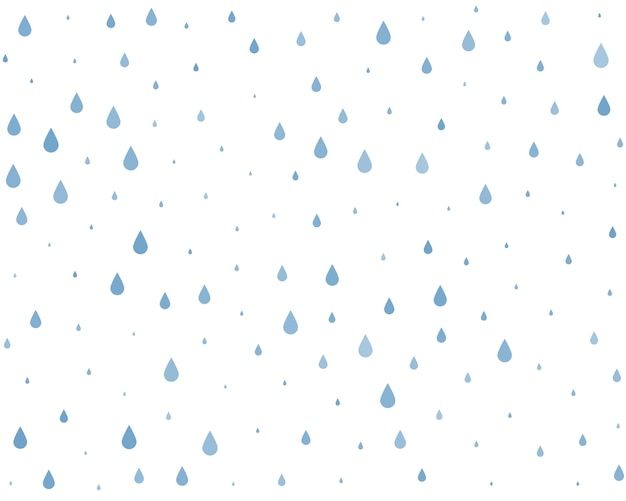
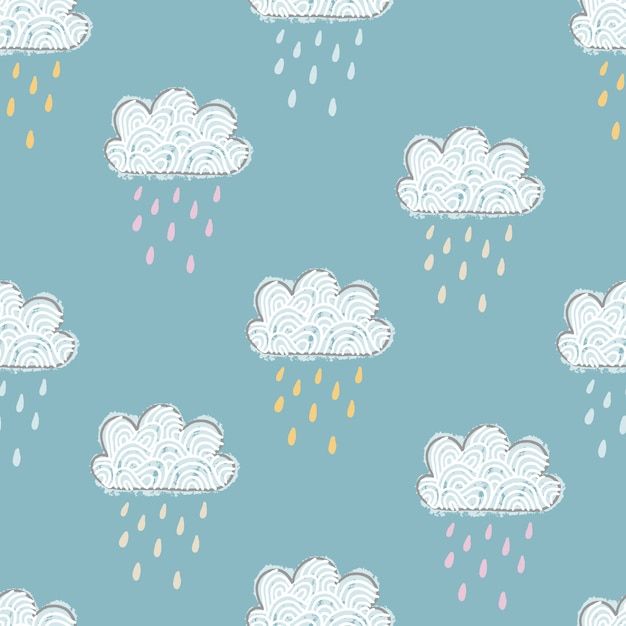
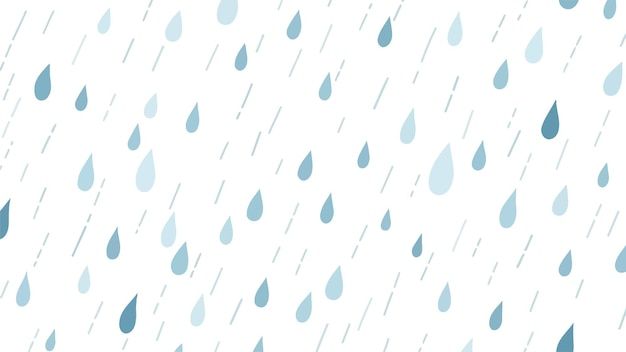
Rain patterns operate across two distinct design registers. The first is an illustrative or abstract surface pattern tradition: raindrop shapes, falling lines, drip motifs, and weather-associated imagery (clouds, umbrellas, puddle reflections) applied to textiles, stationery, and homeware. The second is the military camouflage tradition, in which broken vertical irregular lines on a muted ground produce patterns colloquially known as "raindrop" camouflage - a category with its own textile and design history. In consumer surface pattern design, rain and drip motifs have consistent commercial applications in children's products (particularly for rainy weather themes), fashion (particularly April/spring collections), and occasion-based stationery (umbrellas and rain for specific greeting card markets).
Rain patterns operate across two distinct design registers. The first is an illustrative or abstract surface pattern tradition: raindrop shapes, falling lines, drip motifs, and weather-associated imagery (clouds, umbrellas, puddle reflections) applied to textiles, stationery, and homeware. The second is the military camouflage tradition, in which broken vertical irregular lines on a muted ground produce patterns colloquially known as "raindrop" camouflage - a category with its own textile and design history.
In consumer surface pattern design, rain and drip motifs have consistent commercial applications in children's products (particularly for rainy weather themes), fashion (particularly April/spring collections), and occasion-based stationery (umbrellas and rain for specific greeting card markets).
The rain motif in surface pattern draws on several visual forms:
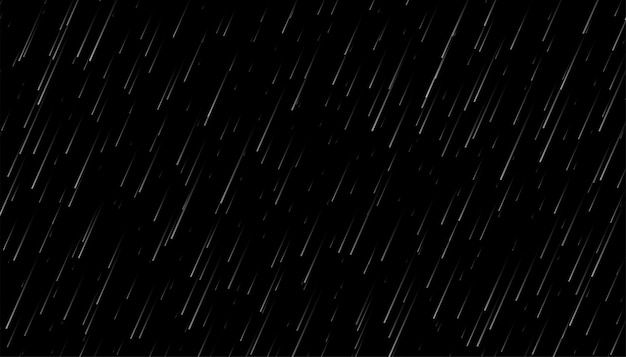
Camouflage applications use a different visual vocabulary: irregular, broken, roughly vertical dashes or short strokes in muted earth tones (olive, grey-green, brown) that disrupt human silhouette recognition.
Rain patterns use several repeat structures depending on their visual intent:
Consumer rain patterns use a range of approaches:
Camouflage rain patterns use: grey-green, olive, khaki, brown, and off-white; broken, muted, desaturated.
The military "raindrop" pattern tradition traces directly to East German military camouflage: the Kampfanzug 64 (combat suit introduced in 1965), made from "Strichtarn" fabric - German for "streak/stripe camouflage." The pattern used broken, slightly curved vertical stripes in reddish-brown and dark brown on a grey-green ground. This camouflage was used by the East German National People's Army (NVA) from 1965 until German reunification in 1990.
Strichtarn was descended from Wehrmacht-era Splittertarnmuster ("splinter camouflage") patterns used in World War II, and was developed in parallel with comparable patterns in allied Warsaw Pact countries: Czechoslovak Jehličí ("needles" pattern), and Polish Wz.58 "Deszczyk" (literally "little rain"). These patterns collectively constitute the Central European "raindrop camouflage" tradition.
In consumer surface pattern design, rain and water motifs have a much longer and broader history, spanning traditional Japanese textile art (water wave and ripple motifs), Dutch Delftware blue-and-white water patterns, Art Nouveau flowing water imagery, and contemporary digital illustration.
Rain patterns operate across two distinct design registers. The first is an illustrative or abstract surface pattern tradition: raindrop shapes, falling lines, drip motifs, and weather-associated imagery (clouds, umbrellas, puddle reflections) applied to textiles, stationery, and homeware.
Nature
Scatter and Stripe
Celestial
Camouflage
" The pattern used broken, slightly curved vertical stripes in reddish-brown and dark brown on a grey-green ground. This camouflage was used by the East German National People's Army (NVA) from 1965 until German reunification in 1990. 58 "Deszczyk" (literally "little rain").