Loading
NEW DESIGNERS ADDED WEEKLY!
The best pattern designers.
Browse & hire professional surface pattern designers for fashion, textiles, interiors & product design.
Browse & hire professional surface pattern designers for fashion, textiles, interiors & product design.
We use cookies to improve your experience and understand how PatternDesigners is used.
Discover pattern styles, motifs & structures used throughout surface pattern design, with visual examples to help you recognise every pattern type.

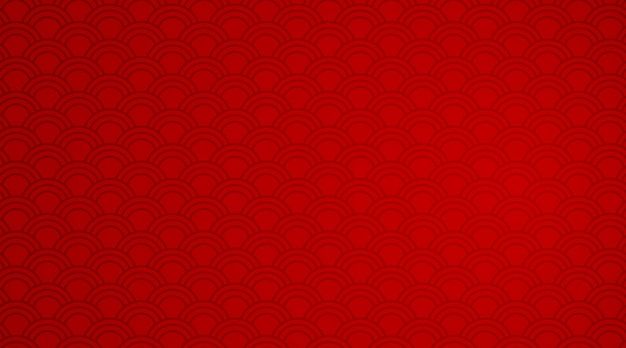
Red-based surface patterns derive their impact from the hue's unmatched visual weight and cross-cultural symbolic charge. Red is the colour with the longest wavelength visible to the human eye and is among the first colours human vision distinguishes. In surface pattern design, red functions both as a high-energy ground and as a powerful accent, with multiple symbolic registers - from romance and celebration to danger and power - making it one of the most commercially versatile colour directions.
Red-based surface patterns derive their impact from the hue's unmatched visual weight and cross-cultural symbolic charge. Red is the colour with the longest wavelength visible to the human eye and is among the first colours human vision distinguishes. In surface pattern design, red functions both as a high-energy ground and as a powerful accent, with multiple symbolic registers - from romance and celebration to danger and power - making it one of the most commercially versatile colour directions.
Red patterns range from cool, blue-leaning crimsons through to warm, orange-leaning scarlets and earthy mineral reds such as terracotta. Pure red at full saturation reads with maximum visual intensity; desaturated or earthy reds (madder, venetian red, Turkey red) read as warmer, more historical, and more refined. Red on white is one of the highest-contrast colour combinations; red on black reads as dramatic and bold.
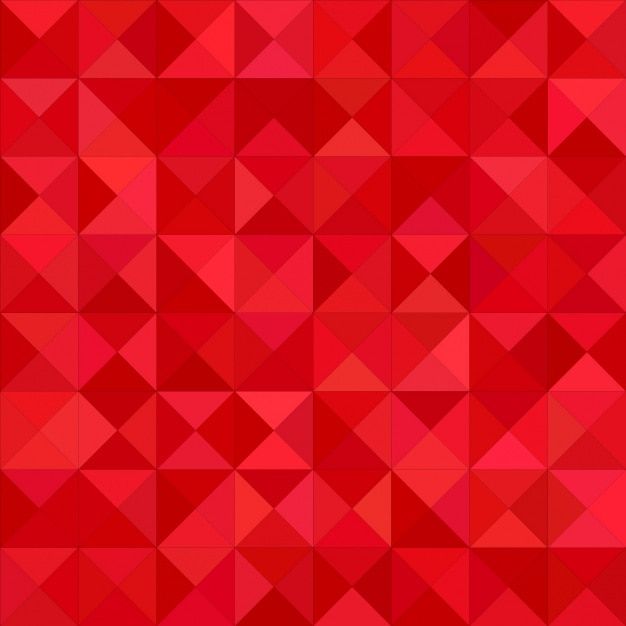
Red is applied across all pattern structures - florals, geometric, abstract, animal print, and decorative. It is not associated with a particular repeat type. Red as a ground colour creates bold, attention-demanding surface patterns; red used as a motif colour against a neutral ground produces a more commercial, accessible result.
Red is strongly associated with floral motifs - particularly roses and poppies, both of which carry strong red cultural associations. Berries, cherries, and tomatoes appear in food-adjacent pattern categories. In East Asian textile and decorative traditions, red appears extensively in celebratory and wedding patterns, often combined with gold and auspicious motifs.
The red spectrum in surface pattern design includes:
Red has been one of the most prized dye colours throughout textile history. Turkey red - produced via a complex alizarin mordant process using roots of the Rubia tinctorum madder plant - was one of the most commercially significant textile colours of the 18th and 19th centuries, particularly in Indian and Scottish cotton printing. Cochineal (sourced from insects in Central America) provided vivid carmine reds for European textiles following the Spanish colonisation of the Americas. Synthetic alizarin, developed in 1868, made red dyes widely available. In East Asian traditions, red is the colour of good fortune, celebration, and protection, making red-dominant textiles central to wedding, festival, and ceremonial contexts.
Red-based surface patterns derive their impact from the hue's unmatched visual weight and cross-cultural symbolic charge. Red is the colour with the longest wavelength visible to the human eye and is among the first colours human vision distinguishes.
Red patterns range from cool, blue-leaning crimsons through to warm, orange-leaning scarlets and earthy mineral reds such as terracotta. Pure red at full saturation reads with maximum visual intensity; desaturated or earthy reds (madder, venetian red, Turkey red) read as warmer, more historical, and more refined.
Colour
Red is applied across all pattern structures - florals, geometric, abstract, animal print, and decorative. It is not associated with a particular repeat type.
Red is strongly associated with floral motifs - particularly roses and poppies, both of which carry strong red cultural associations. Berries, cherries, and tomatoes appear in food-adjacent pattern categories.
Festive
Red has been one of the most prized dye colours throughout textile history.