Loading
NEW DESIGNERS ADDED WEEKLY!
The best pattern designers.
Browse & hire professional surface pattern designers for fashion, textiles, interiors & product design.
Browse & hire professional surface pattern designers for fashion, textiles, interiors & product design.
We use cookies to improve your experience and understand how PatternDesigners is used.
Discover pattern styles, motifs & structures used throughout surface pattern design, with visual examples to help you recognise every pattern type.

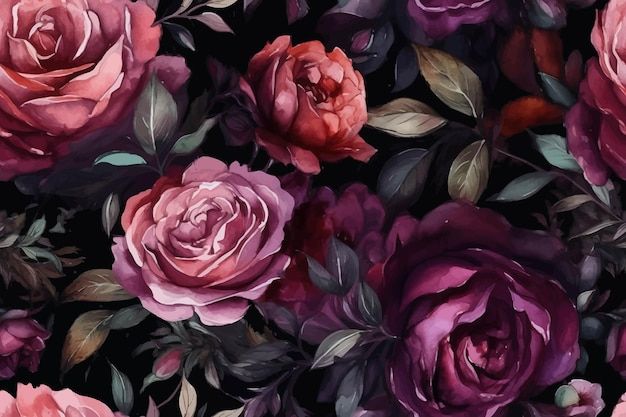
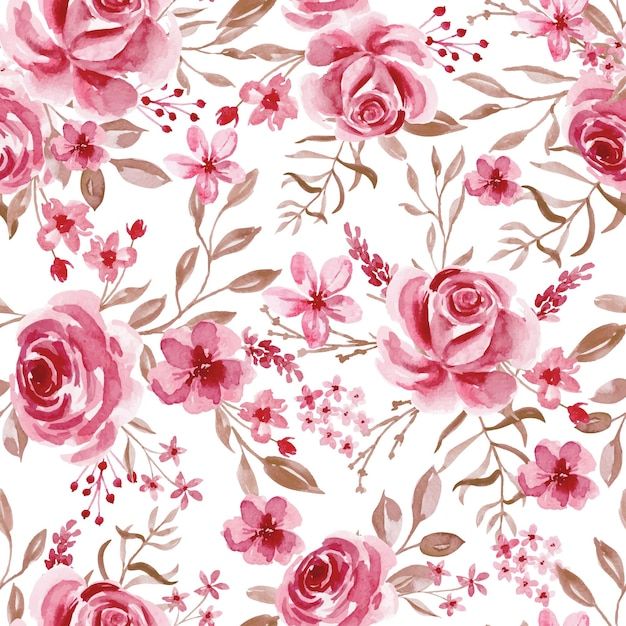
The rose is among the most widely used motifs in surface pattern design across all major product categories. Rose patterns draw on the flower's deep cultural associations - love, beauty, femininity, celebration - and its strong visual identity: the distinctive layered petal form is instantly readable at any scale. The motif appears across the full range of surface pattern applications, from fine chintz prints to bold digital repeats, and sustains consistent commercial demand particularly in fashion, home textiles, and gifting.
The rose is among the most widely used motifs in surface pattern design across all major product categories. Rose patterns draw on the flower's deep cultural associations - love, beauty, femininity, celebration - and its strong visual identity: the distinctive layered petal form is instantly readable at any scale. The motif appears across the full range of surface pattern applications, from fine chintz prints to bold digital repeats, and sustains consistent commercial demand particularly in fashion, home textiles, and gifting.
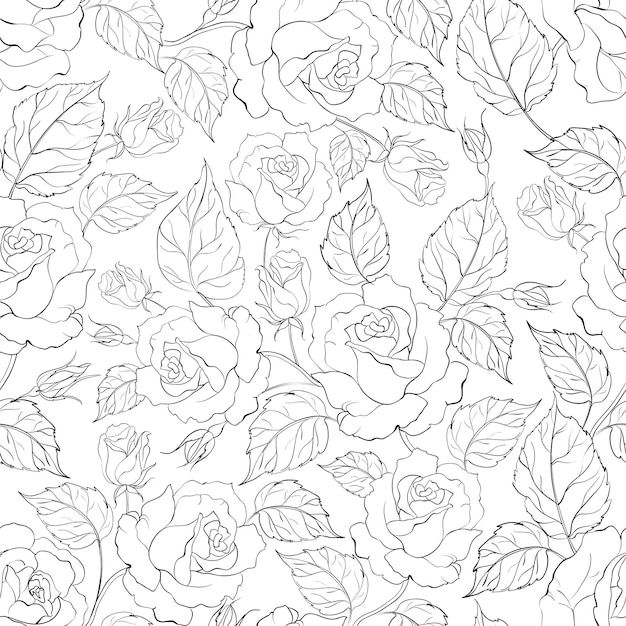
Rose motifs in pattern design range from highly realistic botanical illustration through to fully abstract, stylised forms. The layered, spiralling petal arrangement is the defining visual characteristic and can be simplified to varying degrees while remaining identifiable. Roses may be depicted full-face (showing the concentric petal arrangement from above), in profile (showing the bud or side view), or in a variety of naturalistic angles. Supporting elements include leaves, stems, thorns, and buds. Scale varies widely: large statement roses as hero motifs through to small, dense scatter arrangements.
Rose patterns use the full range of repeat structures. Scattered toss repeats and half-drop arrangements are common for naturalistic floral effects. Striped arrangements - bouquets alternating with foliage - are traditional in chintz and furnishing print conventions. Large-scale single-rose placements function as medallion or placement prints rather than tiled repeats.
The rose itself is the central motif, accompanied by: foliage (individual leaves, compound leaf sprigs); rosebuds; thorns; stems. Supporting motifs in rose pattern traditions include ribbons and bows (particularly in Victorian-influenced styles); garden insects (butterflies, bees); and companion flowers (peonies, ranunculus, sweet peas). Rose hip berries appear in autumn and harvest-palette rose patterns.
Rose colour carries symbolic meaning that designers actively deploy:
Roses have appeared in decorative art since antiquity - in ancient China, Egypt, Greece, and Rome. In Western textile history, rose motifs appear continuously from medieval tapestry through Renaissance embroidery, 17th and 18th-century chintz printing, Victorian printed cottons, and 20th-century furnishing fabrics. The rose is the June birth flower and the national flower of England, giving it particular resonance in British design traditions. Victorian floral language (floriography) systematised the symbolic meanings of individual rose colours, a vocabulary designers continue to reference. William Morris incorporated rose motifs into several wallpaper and textile designs.
The rose is among the most widely used motifs in surface pattern design across all major product categories. Rose patterns draw on the flower's deep cultural associations - love, beauty, femininity, celebration - and its strong visual identity: the distinctive layered petal form is instantly readable at any scale.
Rose motifs in pattern design range from highly realistic botanical illustration through to fully abstract, stylised forms. The layered, spiralling petal arrangement is the defining visual characteristic and can be simplified to varying degrees while remaining identifiable.
Botanical
Rose patterns use the full range of repeat structures. Scattered toss repeats and half-drop arrangements are common for naturalistic floral effects. Striped arrangements - bouquets alternating with foliage - are traditional in chintz and furnishing print conventions.
The rose itself is the central motif, accompanied by: foliage (individual leaves, compound leaf sprigs); rosebuds; thorns; stems.
Arts & Crafts
Roses have appeared in decorative art since antiquity - in ancient China, Egypt, Greece, and Rome. In Western textile history, rose motifs appear continuously from medieval tapestry through Renaissance embroidery, 17th and 18th-century chintz printing, Victorian printed cottons, and 20th-century furnishing fabrics.