Loading
NEW DESIGNERS ADDED WEEKLY!
The best pattern designers.
Browse & hire professional surface pattern designers for fashion, textiles, interiors & product design.
Browse & hire professional surface pattern designers for fashion, textiles, interiors & product design.
We use cookies to improve your experience and understand how PatternDesigners is used.
Discover pattern styles, motifs & structures used throughout surface pattern design, with visual examples to help you recognise every pattern type.

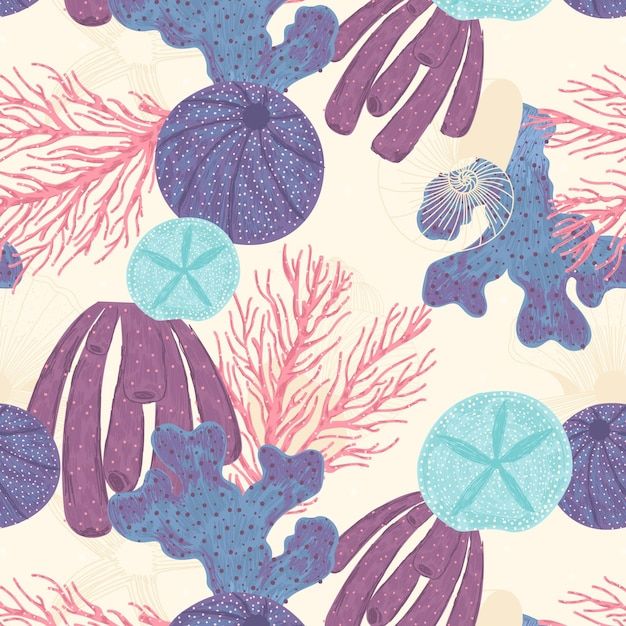
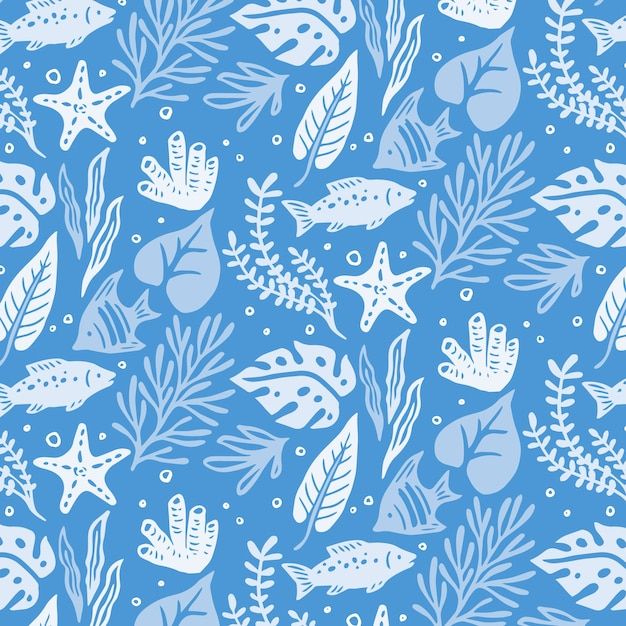
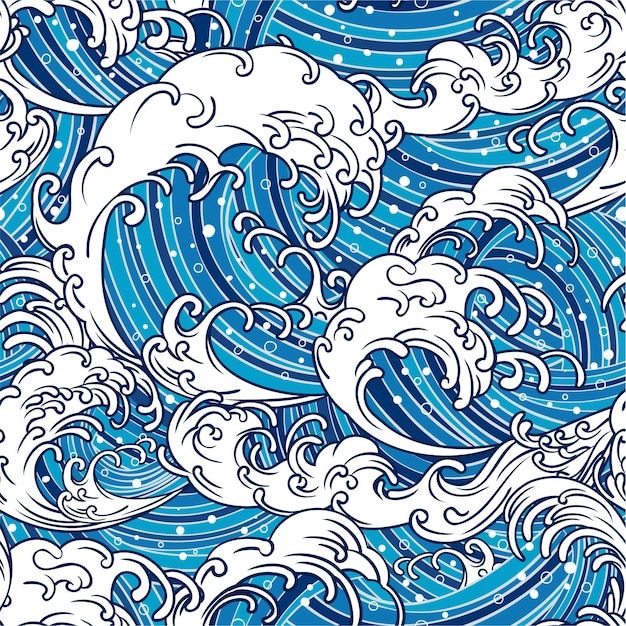
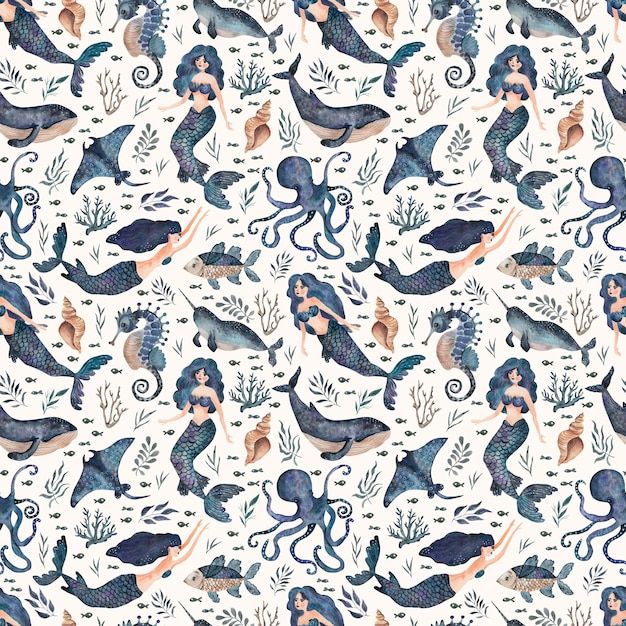
Sea and marine patterns are among the most commercially durable categories in surface pattern design, driven by consistent seasonal demand in summer, resort, and coastal lifestyle markets. The category encompasses both naturalistic underwater imagery and more abstract or graphic nautical references, ranging from illustrated fish and sea creature patterns to simple anchor-and-rope motifs. The breadth of visual material available - from tropical reef systems to cold-water coastal settings - supports a wide range of aesthetic moods.
Sea and marine patterns are among the most commercially durable categories in surface pattern design, driven by consistent seasonal demand in summer, resort, and coastal lifestyle markets. The category encompasses both naturalistic underwater imagery and more abstract or graphic nautical references, ranging from illustrated fish and sea creature patterns to simple anchor-and-rope motifs. The breadth of visual material available - from tropical reef systems to cold-water coastal settings - supports a wide range of aesthetic moods.
Sea patterns vary significantly by sub-style:
Sea patterns use all standard repeat structures. Seamless half-drop repeats are common for dense all-over fish and marine creature designs. Engineered or placement arrangements are used for hero creature motifs - a single large whale or octopus positioned specifically on a product rather than tiled. Scattered or random layouts suit shell and starfish patterns where naturalistic distribution is appropriate.
Core marine motifs in surface pattern design:
Sea pattern palettes fall into three main approaches:
Monochromatic navy-and-white nautical palettes have strong perennial commercial appeal, particularly in home textiles and classic childrenswear.
Marine imagery in decorative art has a very long history - from ancient Minoan frescoes depicting sea creatures, through Asian export porcelain decorated with fish and waves, to the highly developed tradition of naturalistic marine illustration in 18th and 19th-century natural history publishing. The nautical stripe and anchor motifs became established commercial patterns in Western fashion through the 20th century, particularly associated with Breton-influenced fashion and British coastal lifestyle markets. The growing global resort and swimwear market has maintained strong commercial demand for tropical marine patterns.
Sea and marine patterns are among the most commercially durable categories in surface pattern design, driven by consistent seasonal demand in summer, resort, and coastal lifestyle markets.
Nature
Sea patterns use all standard repeat structures. Seamless half-drop repeats are common for dense all-over fish and marine creature designs. Engineered or placement arrangements are used for hero creature motifs - a single large whale or octopus positioned specifically on a product rather than tiled.
Marine and Animal
Nautical and Tropical
Marine imagery in decorative art has a very long history - from ancient Minoan frescoes depicting sea creatures, through Asian export porcelain decorated with fish and waves, to the highly developed tradition of naturalistic marine illustration in 18th and 19th-century natural history publishing.
Designers associated with Sea Pattern include Yu Yasutake.