Loading
NEW DESIGNERS ADDED WEEKLY!
The best pattern designers.
Browse & hire professional surface pattern designers for fashion, textiles, interiors & product design.
Browse & hire professional surface pattern designers for fashion, textiles, interiors & product design.
We use cookies to improve your experience and understand how PatternDesigners is used.
Discover pattern styles, motifs & structures used throughout surface pattern design, with visual examples to help you recognise every pattern type.

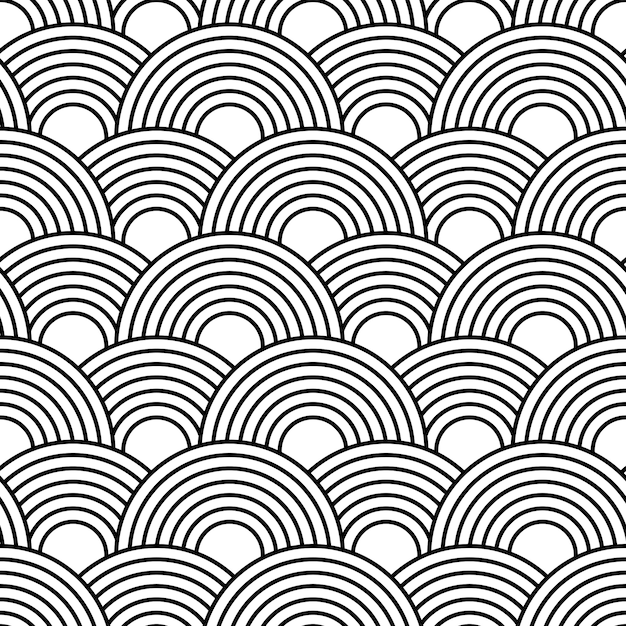
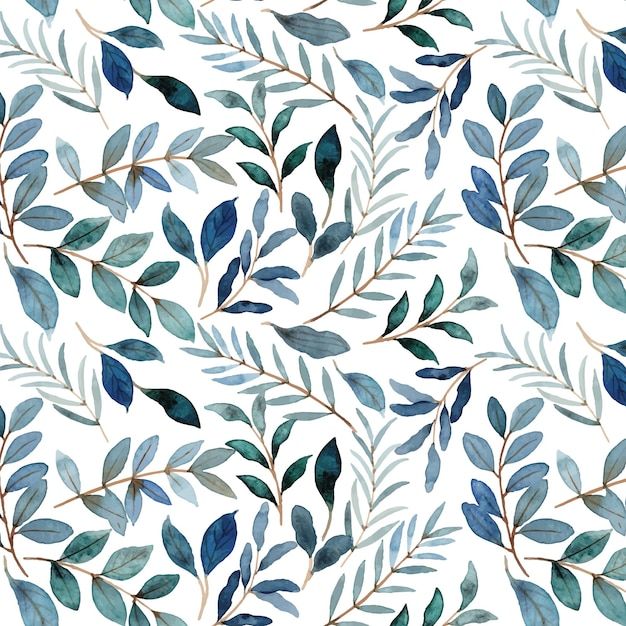
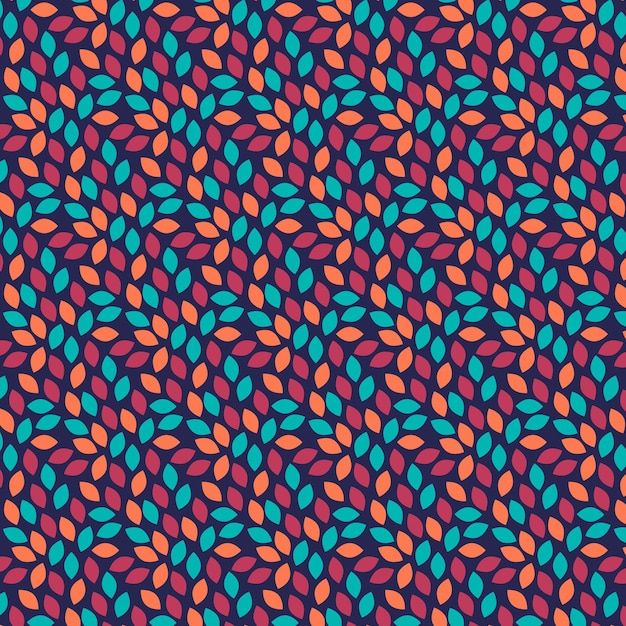
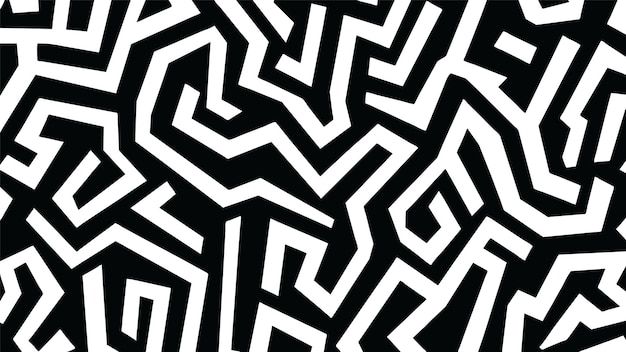
A seamless pattern is one in which the repeat tile connects to itself at all four edges without any visible seam, break, or mismatch. This is the fundamental technical requirement for patterns applied to surfaces of arbitrary size - fabrics, wallpaper, gift wrap, and digital backgrounds must all tile seamlessly. The term describes a technical property of the pattern rather than a style or motif type. All repeating surface patterns used commercially are, by definition, seamless.
A seamless pattern is one in which the repeat tile connects to itself at all four edges without any visible seam, break, or mismatch. This is the fundamental technical requirement for patterns applied to surfaces of arbitrary size - fabrics, wallpaper, gift wrap, and digital backgrounds must all tile seamlessly. The term describes a technical property of the pattern rather than a style or motif type. All repeating surface patterns used commercially are, by definition, seamless.
The visual quality of a seamless pattern is defined by how well the tile join is concealed. In poorly constructed seamless patterns, a visible grid of seams betrays the repeat structure. In well-constructed seamless patterns, the repeat is effectively invisible - the pattern reads as a continuous, freely distributed surface. The techniques used to achieve this include: matching colours and values at tile edges; distributing motifs so that no prominent element is centred exactly on an edge; and ensuring that compositional flow crosses the tile boundary naturally.
The standard approach to seamless pattern construction distributes motifs across a square or rectangular tile in one of several canonical repeat structures:
The Wikipedia source for this file references William Morris's "Pimpernel" as an example of a historically significant repeat pattern that uses complex interlocking symmetry to achieve a seamless surface. Natural patterns - ceramic tile arrangements, textile weaves, and wallpaper - are cited as examples of the seamless principle in practice.
Seamless pattern construction is motif-agnostic; any motif type can be made seamless. The technical challenge of construction increases with complex, directional, or large-scale motifs. Geometric and abstract motifs are generally the easiest to tile seamlessly; organic, figurative, and highly detailed motifs require more careful edge-matching.
Seamless pattern construction does not constrain colour choices. The seamless requirement affects how colour is used at tile edges - gradients, vignettes, and strong colour contrasts near the edge of a tile can make joins visible unless carefully managed.
The principle of seamless surface patterning predates industrialisation - hand-blocked textile printing, handwoven textiles, and hand-applied ceramic tiles all required seamless repeat construction. William Morris and the Arts and Crafts movement developed complex hand-blocked seamless wallpaper and textile patterns in the late 19th century, treating the seamless repeat as a design challenge and an art form. The Wikipedia source notes that regularity and repetition are fundamental properties distinguishing a pattern from a random arrangement, and cites ceramics, textiles, and wallpaper as the primary fields where seamless pattern construction has been most developed.
All commercial surface pattern applications that involve tiled repetition require seamless construction:
A seamless pattern is one in which the repeat tile connects to itself at all four edges without any visible seam, break, or mismatch. This is the fundamental technical requirement for patterns applied to surfaces of arbitrary size - fabrics, wallpaper, gift wrap, and digital backgrounds must all tile seamlessly.
The visual quality of a seamless pattern is defined by how well the tile join is concealed. In poorly constructed seamless patterns, a visible grid of seams betrays the repeat structure.
Fundamentals
Block, Half-Drop, and Brick
Seamless pattern construction is motif-agnostic; any motif type can be made seamless. The technical challenge of construction increases with complex, directional, or large-scale motifs.
Seamless pattern construction does not constrain colour choices. The seamless requirement affects how colour is used at tile edges - gradients, vignettes, and strong colour contrasts near the edge of a tile can make joins visible unless carefully managed.
The principle of seamless surface patterning predates industrialisation - hand-blocked textile printing, handwoven textiles, and hand-applied ceramic tiles all required seamless repeat construction.
Designers associated with Seamless Pattern include Marilia Cichini Simoes.