Loading
NEW DESIGNERS ADDED WEEKLY!
The best pattern designers.
Browse & hire professional surface pattern designers for fashion, textiles, interiors & product design.
Browse & hire professional surface pattern designers for fashion, textiles, interiors & product design.
We use cookies to improve your experience and understand how PatternDesigners is used.
Discover pattern styles, motifs & structures used throughout surface pattern design, with visual examples to help you recognise every pattern type.

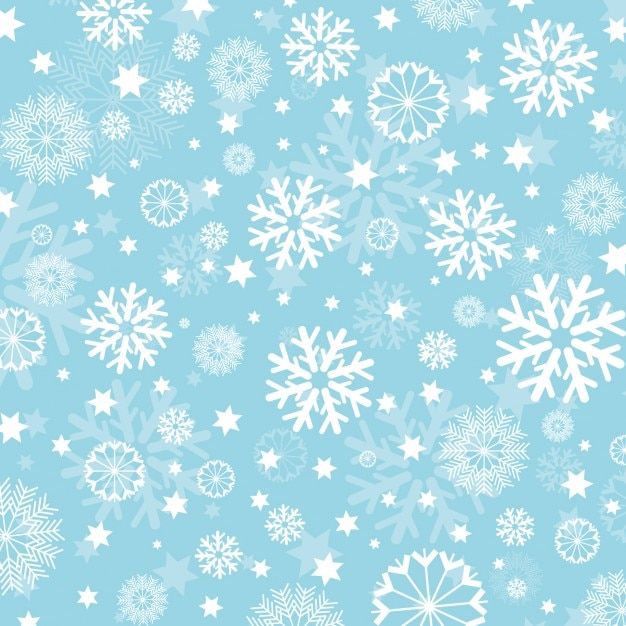
Snow patterns in surface pattern design are primarily driven by the snowflake motif and its variants. The snowflake is one of the most geometrically distinctive natural forms - its strict sixfold symmetry, intricate branching, and infinite variation within a fixed structural rule make it an enduringly rich source for surface pattern. Snow patterns are strongly seasonal, with commercial demand concentrated in autumn/winter product ranges, Christmas collections, and winter homeware.
Snow patterns in surface pattern design are primarily driven by the snowflake motif and its variants. The snowflake is one of the most geometrically distinctive natural forms - its strict sixfold symmetry, intricate branching, and infinite variation within a fixed structural rule make it an enduringly rich source for surface pattern. Snow patterns are strongly seasonal, with commercial demand concentrated in autumn/winter product ranges, Christmas collections, and winter homeware.
The defining visual characteristics of snowflake-based patterns are: sixfold (hexagonal) rotational symmetry; intricate branching structures; and high contrast, typically rendered in white or pale blue against a dark or coloured ground. The motif can be executed at varying levels of detail - from simplified six-pointed stars through to highly detailed crystallographic forms replicating actual snow crystal structures. Multiple snowflakes at different scales can be combined in scatter layouts.
Snow patterns most commonly use a scattered or random layout, with snowflakes at varied sizes and rotations distributed across the ground. Regular block or half-drop repeats are also used, particularly for more geometric, simplified snowflake forms. For detailed crystallographic snowflakes, the motif is typically used as a placement or hero element rather than a dense repeat.
The snowflake is the primary motif, with six main natural snow crystal types that inform design:
Supporting motifs in snow-adjacent pattern design include: frost window patterns (ice crystal growths on glass), snowdrifts, and winter landscape elements.
Snow patterns are strongly associated with a limited colour range:
Simplified, geometric snowflake motifs translate into more graphic, contemporary aesthetics. Highly detailed crystallographic forms are associated with more craft-inspired, naturalistic winter design. Snow crystal art - notably the work of Wilson Bentley ("Snowflake Bentley") and contemporary snow photographers such as Nathan Hinrichsen - has fed directly into pattern design by providing accurate reference for real snow crystal structures.
The science of snow crystal morphology was established in the late 19th and early 20th centuries, particularly through Wilson Bentley's photographic documentation of thousands of individual snow crystals. This scientific imagery became available as design reference and contributed to the tradition of accurate crystallographic snowflake motifs in textile and surface pattern design. Snow crystal art by contemporary photographers continues to influence detailed snowflake pattern design. The sixfold symmetry of snowflakes is a result of ice crystal growth physics (hexagonal molecular arrangement of water ice), making the snowflake an unusual natural motif where scientific structure directly produces aesthetic regularity.
Snow patterns in surface pattern design are primarily driven by the snowflake motif and its variants.
The defining visual characteristics of snowflake-based patterns are: sixfold (hexagonal) rotational symmetry; intricate branching structures; and high contrast, typically rendered in white or pale blue against a dark or coloured ground.
Nature
Snow patterns most commonly use a scattered or random layout, with snowflakes at varied sizes and rotations distributed across the ground. Regular block or half-drop repeats are also used, particularly for more geometric, simplified snowflake forms.
Celestial
Festive
The science of snow crystal morphology was established in the late 19th and early 20th centuries, particularly through Wilson Bentley's photographic documentation of thousands of individual snow crystals.