Loading
NEW DESIGNERS ADDED WEEKLY!
The best pattern designers.
Browse & hire professional surface pattern designers for fashion, textiles, interiors & product design.
Browse & hire professional surface pattern designers for fashion, textiles, interiors & product design.
We use cookies to improve your experience and understand how PatternDesigners is used.
Discover pattern styles, motifs & structures used throughout surface pattern design, with visual examples to help you recognise every pattern type.

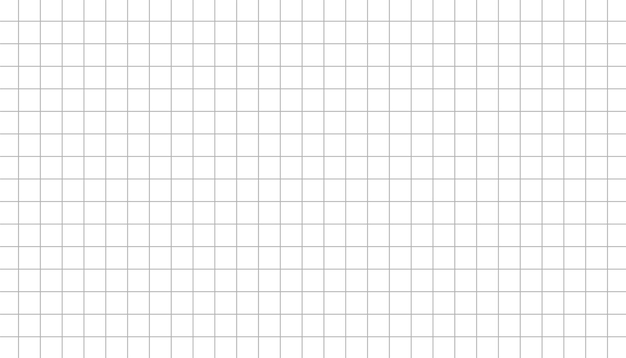
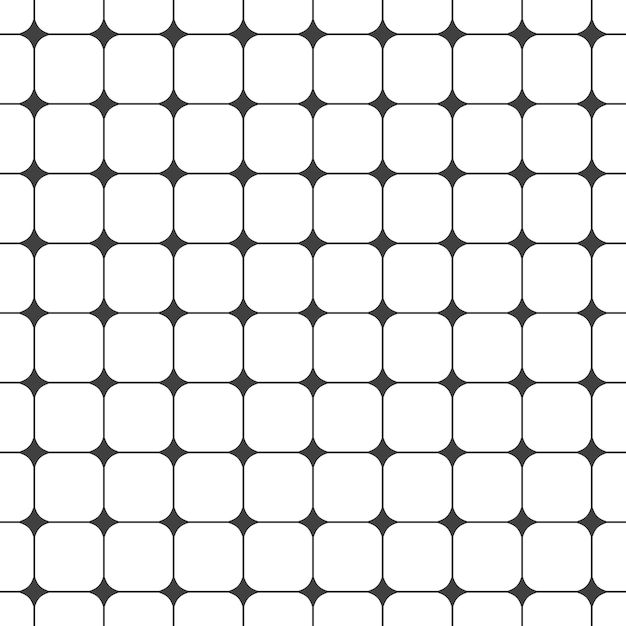
Square-based patterns exploit the square's perfect equality of sides and right-angle corners to create patterns with strong structural clarity. The square is the basis of the most fundamental repeat structure in surface pattern (the block repeat), and as a motif it underpins an enormous range of well-established commercial pattern traditions: checkerboards, tartan checks, gingham, tattersall, windowpane, and others. It also forms the structural unit of granny square crochet textile patterning and tessellating tile designs.
Square-based patterns exploit the square's perfect equality of sides and right-angle corners to create patterns with strong structural clarity. The square is the basis of the most fundamental repeat structure in surface pattern (the block repeat), and as a motif it underpins an enormous range of well-established commercial pattern traditions: checkerboards, tartan checks, gingham, tattersall, windowpane, and others. It also forms the structural unit of granny square crochet textile patterning and tessellating tile designs.
Square patterns read as highly ordered, structured, and geometrically precise. The 90-degree angle creates a rigid, rectilinear visual rhythm. Depending on scale and colour, square patterns can read as minimal and modern (large-scale two-colour blocks), classic and heritage (small gingham), or complex and maximalist (multi-colour plaid with thin overcheck lines). The equal sides and right angles also enable perfect tessellation - squares tile flat surfaces with no gap or overlap.
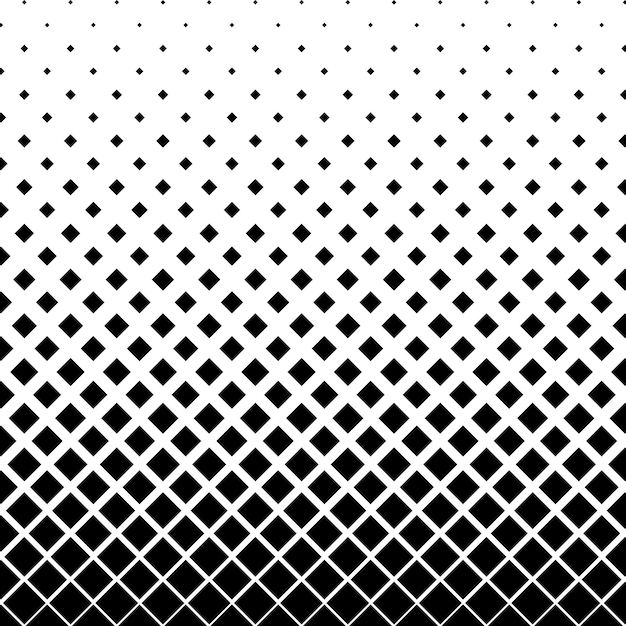
The square is both a motif and the fundamental unit of the block repeat. In the block repeat, the design tile is a square that tiles in a simple grid. As a motif, squares can be arranged in:
The square itself is the primary motif. Compound square-based motifs include: checkerboard cells, pinwheel square arrangements, cathedral windows (folded square patchwork), and granny square crochet units. Mathematical tessellations built from squares can include complex secondary patterns formed by colouring individual cells of the grid.
Colour treatment transforms the apparent style of square patterns significantly:
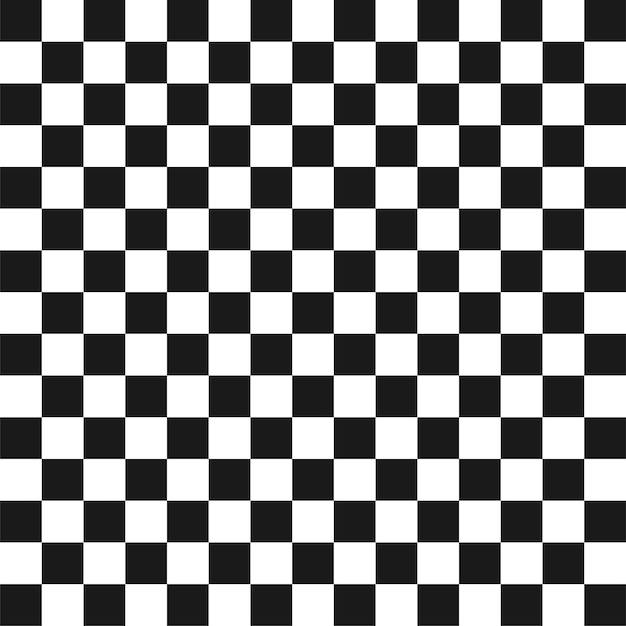
Checkerboard in black and white is one of the most versatile and commercially durable geometric pattern formats.
The square has been a fundamental element of decorative pattern across all cultures and eras. Checkerboard patterns appear in ancient Roman floor mosaics and medieval heraldry. Gingham originated in Southeast Asian textile traditions and was imported into European fashion via trade. The granny square, as a crochet unit, became one of the most popular crafting motifs of the 1970s and has seen multiple revivals. In mathematics, square tessellations are the simplest and most studied form of geometric tiling, directly informing computational and Islamic geometric pattern traditions.
Square-based patterns exploit the square's perfect equality of sides and right-angle corners to create patterns with strong structural clarity.
Square patterns read as highly ordered, structured, and geometrically precise. The 90-degree angle creates a rigid, rectilinear visual rhythm.
Geometric
The square is both a motif and the fundamental unit of the block repeat. In the block repeat, the design tile is a square that tiles in a simple grid.
The square itself is the primary motif. Compound square-based motifs include: checkerboard cells, pinwheel square arrangements, cathedral windows (folded square patchwork), and granny square crochet units.
Tartan
The square has been a fundamental element of decorative pattern across all cultures and eras. Checkerboard patterns appear in ancient Roman floor mosaics and medieval heraldry. Gingham originated in Southeast Asian textile traditions and was imported into European fashion via trade.