Loading
NEW DESIGNERS ADDED WEEKLY!
The best pattern designers.
Browse & hire professional surface pattern designers for fashion, textiles, interiors & product design.
Browse & hire professional surface pattern designers for fashion, textiles, interiors & product design.
We use cookies to improve your experience and understand how PatternDesigners is used.
Discover pattern styles, motifs & structures used throughout surface pattern design, with visual examples to help you recognise every pattern type.

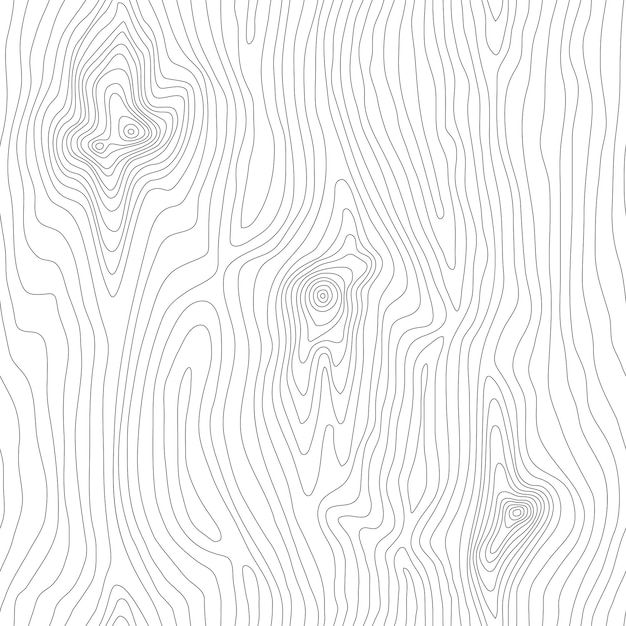
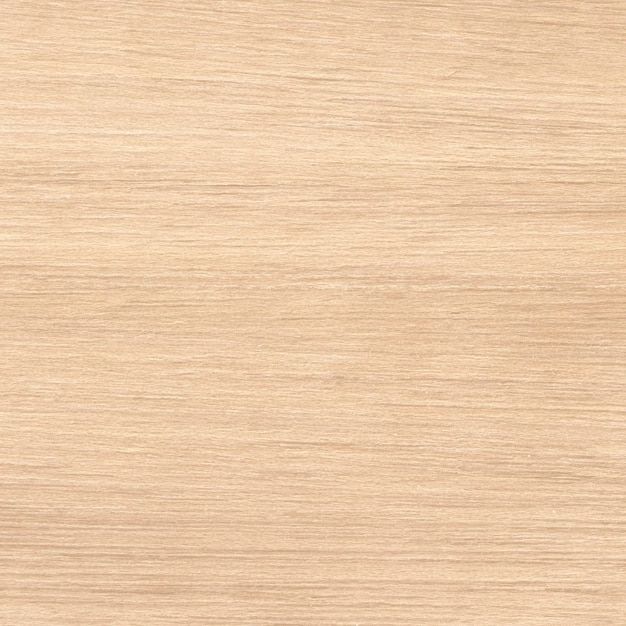
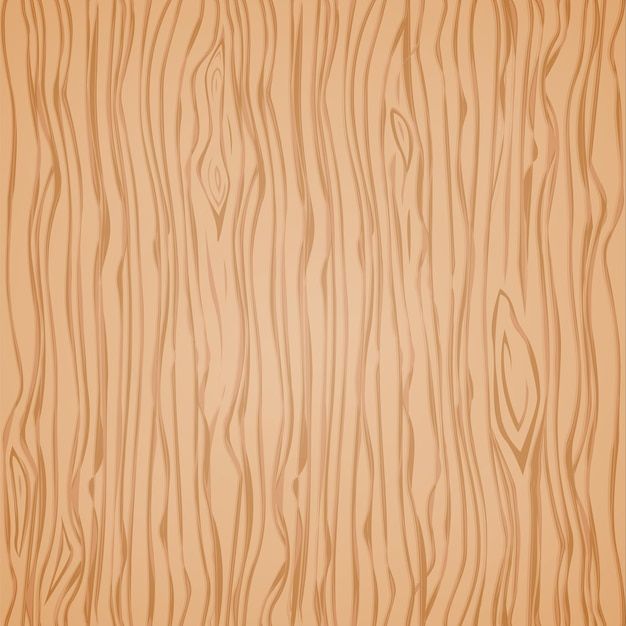
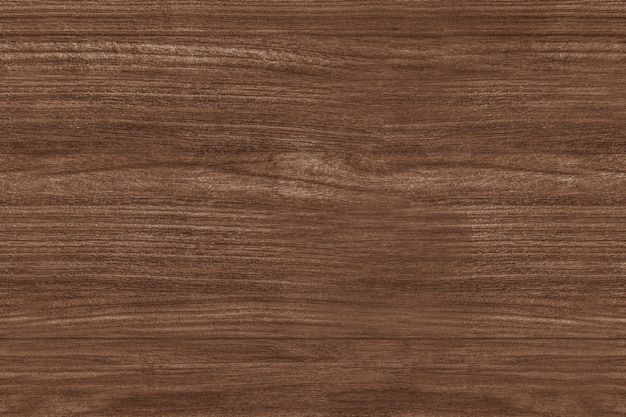
Wood grain pattern is one of the most commercially significant natural texture categories in surface design. The visual structure of wood - parallel longitudinal fibres producing linear grain, annual growth rings producing concentric patterns in cross-section, and various figure effects (curly grain, bird's eye, tiger grain) produced by unusual growth conditions - provides a rich visual vocabulary for both decorative surface pattern and material simulation. Wood-effect printing on laminates, vinyl flooring, wallpaper, and furniture surfaces is a major commercial application driven by demand for the aesthetic quality of wood at lower cost.
Wood grain pattern is one of the most commercially significant natural texture categories in surface design. The visual structure of wood - parallel longitudinal fibres producing linear grain, annual growth rings producing concentric patterns in cross-section, and various figure effects (curly grain, bird's eye, tiger grain) produced by unusual growth conditions - provides a rich visual vocabulary for both decorative surface pattern and material simulation. Wood-effect printing on laminates, vinyl flooring, wallpaper, and furniture surfaces is a major commercial application driven by demand for the aesthetic quality of wood at lower cost.
Wood grain patterns are defined by the direction and character of the wood fibre arrangement:
Annual growth rings (each representing one year of growth) are visible in cross-section (end-grain) as concentric circles and in flat-sawn boards as the distinctive cathedral arches of grain.
The visual pattern of wood grain changes dramatically based on how the lumber is cut:
Named decorative figure patterns found in specific wood species:
Wood palettes are warm and naturalistic:
Wood grain prints in surface pattern use these colour families and the characteristic line structures of the relevant wood species.
The use of wood-grain printing to simulate expensive or rare wood species on cheaper substrates has a long commercial history. Printed wood-grain paper for furniture, cabinetwork, and architectural surfaces was established by the 19th century. In the 20th century, vinyl laminate and Formica surfaces with printed wood-grain patterns became major commercial categories in residential and commercial fit-out. Contemporary advances in high-definition inkjet printing on vinyl, laminate, and ceramic tile have made wood-grain simulation highly accurate, sustaining its position as one of the dominant decorative surface categories in flooring, worktops, and interior cladding.
Wood grain pattern is one of the most commercially significant natural texture categories in surface design.
Fundamentals
Stripe
Minimalist
The use of wood-grain printing to simulate expensive or rare wood species on cheaper substrates has a long commercial history. Printed wood-grain paper for furniture, cabinetwork, and architectural surfaces was established by the 19th century.