Loading
NEW DESIGNERS ADDED WEEKLY!
The best pattern designers.
Browse & hire professional surface pattern designers for fashion, textiles, interiors & product design.
Browse & hire professional surface pattern designers for fashion, textiles, interiors & product design.
We use cookies to improve your experience and understand how PatternDesigners is used.
Discover pattern styles, motifs & structures used throughout surface pattern design, with visual examples to help you recognise every pattern type.

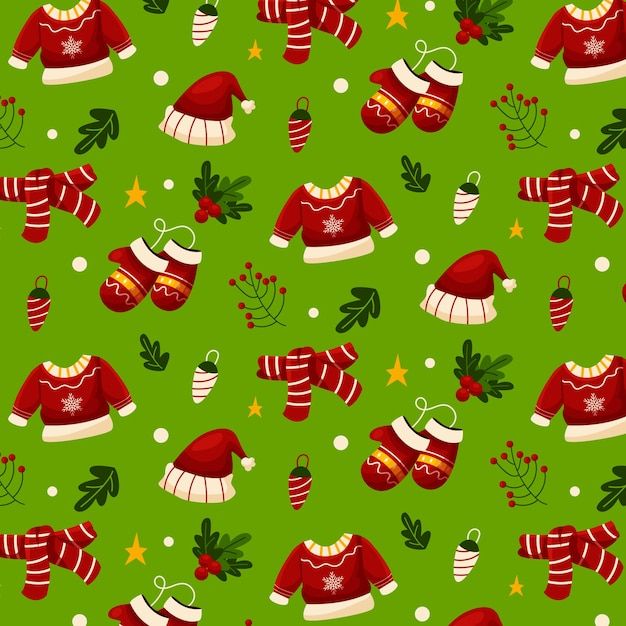
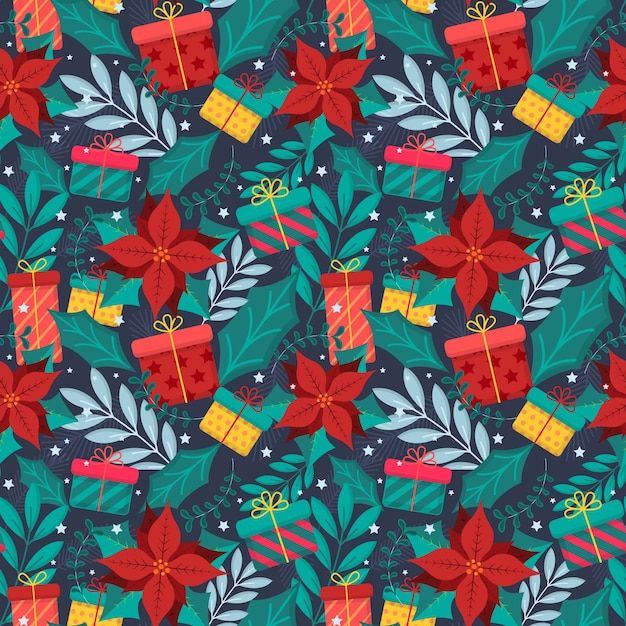
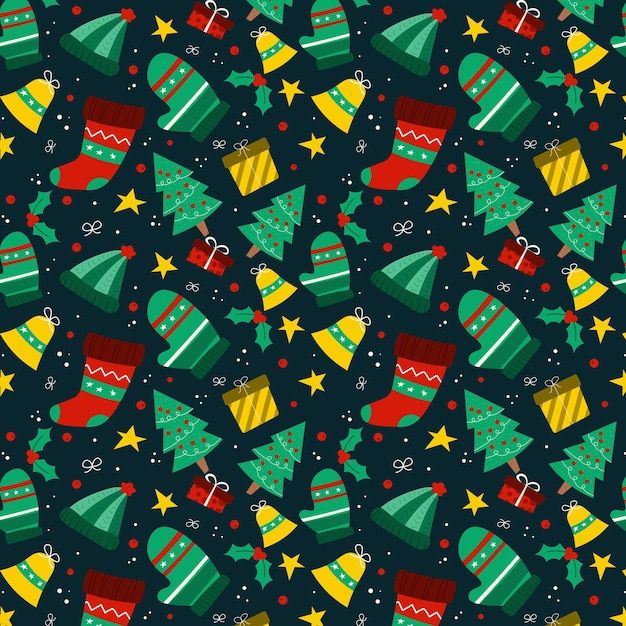
Christmas pattern is one of the most commercially reliable seasonal pattern categories in surface design. The seasonal and gift-driven purchasing cycle creates consistent demand for Christmas pattern across wrapping paper, fabric, stationery, homeware, and holiday apparel - with new designs produced annually by retailers and pattern designers. The category is characterised by a stable core motif vocabulary with significant variation in style, from traditional and heritage treatments through to contemporary, minimal, and novelty approaches.
Christmas pattern is one of the most commercially reliable seasonal pattern categories in surface design. The seasonal and gift-driven purchasing cycle creates consistent demand for Christmas pattern across wrapping paper, fabric, stationery, homeware, and holiday apparel - with new designs produced annually by retailers and pattern designers. The category is characterised by a stable core motif vocabulary with significant variation in style, from traditional and heritage treatments through to contemporary, minimal, and novelty approaches.
Christmas patterns typically use dense, all-over repeats of holiday motifs - the visual density of traditional Christmas pattern creates a sense of abundance and festivity. Plaid and tartan grounds are common, particularly in the American market, often combined with seasonal motifs. Fair Isle knit patterns, originally from the Scottish islands, provide a structured geometric-with-motif format strongly associated with winter knitwear and Christmas jumper aesthetics. Colour contrast is high - red-and-white and red-and-green combinations dominate traditional treatments.
Christmas pattern commonly appears in:
Traditional Christmas palette centres on red, green, white, and gold - referencing holly berries and leaves, snow, and festive decoration. Secondary palette variants include navy and gold, black and gold, and brown and gold for more sophisticated or masculine treatments. Pastel and modern Scandi-minimal versions use muted sage green, dusty pink, and cream. Novelty and character-driven Christmas patterns use any colourway appropriate to the specific motif.
Christmas as a commercial surface pattern category is a product of the industrialisation of gift-giving and the development of commercial printing for wrapping paper and seasonal goods from the 19th century onwards. The gift-wrap industry formalised seasonal pattern as an annual commercial cycle. Fair Isle knit patterns became associated with Christmas knitwear through their popularisation in British royal and aristocratic dress from the 1920s (Edward VIII wore Fair Isle knitwear publicly in 1921, triggering mass-market interest). Plaid and tartan acquired Christmas associations through Scottish heritage marketing and American frontier aesthetics combined with the timber camp buffalo check tradition.
Christmas pattern is one of the most commercially reliable seasonal pattern categories in surface design.
Christmas patterns typically use dense, all-over repeats of holiday motifs - the visual density of traditional Christmas pattern creates a sense of abundance and festivity. Plaid and tartan grounds are common, particularly in the American market, often combined with seasonal motifs.
Seasonal
Scatter and Check
Novelty
Traditional Christmas palette centres on red, green, white, and gold - referencing holly berries and leaves, snow, and festive decoration. Secondary palette variants include navy and gold, black and gold, and brown and gold for more sophisticated or masculine treatments.
Christmas as a commercial surface pattern category is a product of the industrialisation of gift-giving and the development of commercial printing for wrapping paper and seasonal goods from the 19th century onwards. The gift-wrap industry formalised seasonal pattern as an annual commercial cycle.
Plaid Pattern and Tartan Pattern