Loading
NEW DESIGNERS ADDED WEEKLY!
The best pattern designers.
Browse & hire professional surface pattern designers for fashion, textiles, interiors & product design.
Browse & hire professional surface pattern designers for fashion, textiles, interiors & product design.
We use cookies to improve your experience and understand how PatternDesigners is used.
Discover pattern styles, motifs & structures used throughout surface pattern design, with visual examples to help you recognise every pattern type.

"Ethnic pattern" is an industry-used umbrella term in surface pattern design for work that references the folk art, craft, and decorative traditions of specific nationalities or cultural groups. The Artlandia glossary defines it simply as: "Art typical of a specific nationality or a design based on folk art." In commercial practice the term covers a wide range of regionally specific traditions - ikat, kilim, kente, suzani, tribal, and folk-art motif collections are all sold and described under "ethnic pattern" labelling in the textile and licensing industry. The category is commercially active across fashion, home textiles, accessories, and stationery.
"Ethnic pattern" is an industry-used umbrella term in surface pattern design for work that references the folk art, craft, and decorative traditions of specific nationalities or cultural groups. The Artlandia glossary defines it simply as: "Art typical of a specific nationality or a design based on folk art." In commercial practice the term covers a wide range of regionally specific traditions - ikat, kilim, kente, suzani, tribal, and folk-art motif collections are all sold and described under "ethnic pattern" labelling in the textile and licensing industry. The category is commercially active across fashion, home textiles, accessories, and stationery.
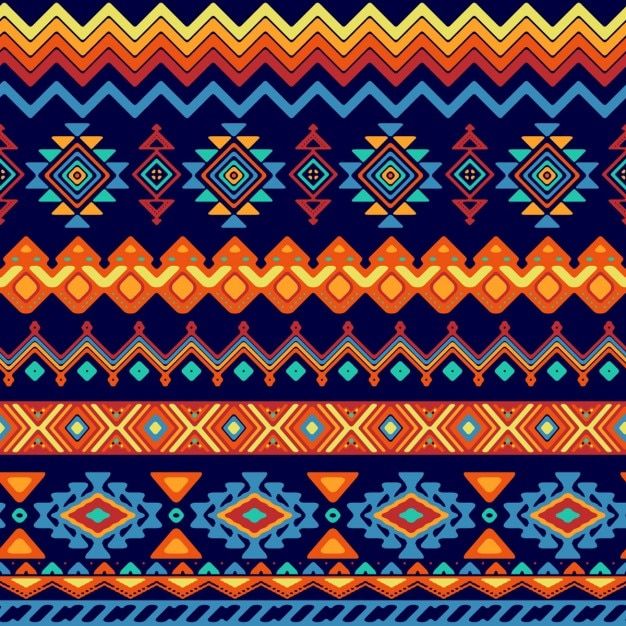
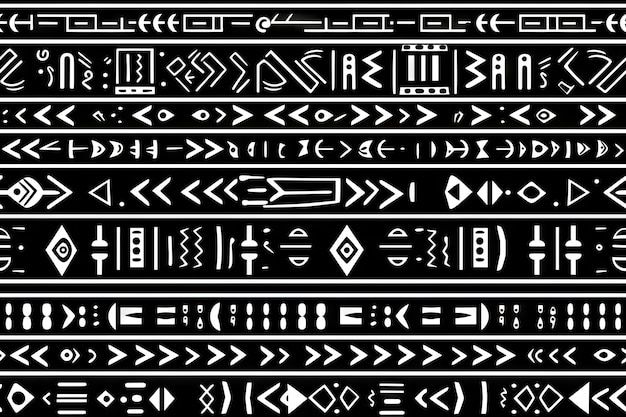
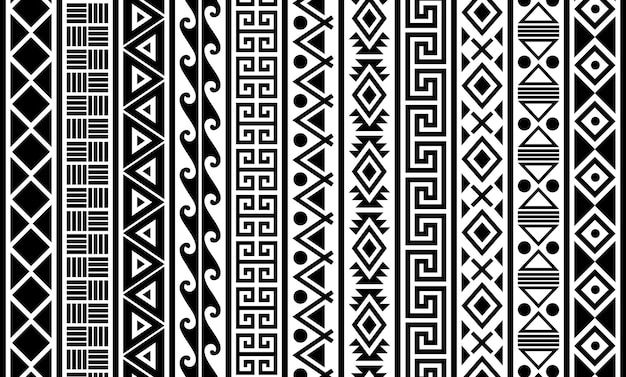
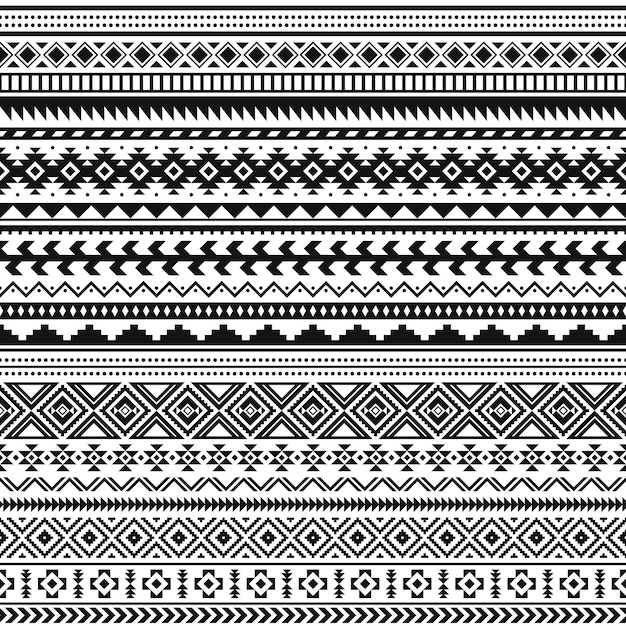
Ethnic pattern is defined by cultural reference rather than by a specific visual structure or motif. Visual characteristics vary entirely by the specific cultural tradition being referenced. Common visual qualities across many ethnic pattern traditions include: geometric organisation, bold colour contrast, grid-based repeat structures, and symbolic motifs drawn from the originating culture's craft and decorative vocabulary. Many ethnic pattern traditions use symmetrical or bilateral composition; others use complex asymmetric arrangements.
Ethnic patterns use the repeat structures native to the originating textile tradition: woven grid-based repeats (kilim, ikat), embroidered free-form compositions (suzani), block-printed repeats (Indian block print), and geometric tile systems (Moroccan zellige). In commercial surface pattern, these structures are reproduced as printed repeats maintaining the visual character of the source tradition. Many ethnic pattern types have their own specific pages in this wiki - see Related Pattern Types.
Motif content is entirely culture-specific. Broadly, ethnic pattern traditions commonly use:
Colour varies by cultural tradition. Sub-Saharan African weaving traditions (kente) use saturated primary and secondary colours in bold stripe combinations. Central Asian kilim and ikat traditions use terracotta, indigo, and warm earth tones. South Asian block print traditions use turmeric yellow, indigo, and madder red. Mexican folk art uses vivid multicolour compositions. The unifying feature is cultural specificity rather than a shared palette.
The labelling of non-Western decorative traditions as "ethnic" in the design industry reflects a commercial categorisation system rather than a neutral descriptive term. The category emerged in Western surface pattern design and licensing markets as a way to group culturally referenced designs from Africa, Asia, Central and South America, and indigenous communities globally. The term carries contested implications - many prefer more specific cultural designations (African wax print, Moroccan tile, Peruvian textile) over the generic "ethnic" label. In surface pattern markets, "ethnic pattern" nonetheless remains a widely used commercial search and catalogue category.
"Ethnic pattern" is an industry-used umbrella term in surface pattern design for work that references the folk art, craft, and decorative traditions of specific nationalities or cultural groups.
Ethnic pattern is defined by cultural reference rather than by a specific visual structure or motif. Visual characteristics vary entirely by the specific cultural tradition being referenced.
Heritage
Ethnic patterns use the repeat structures native to the originating textile tradition: woven grid-based repeats (kilim, ikat), embroidered free-form compositions (suzani), block-printed repeats (Indian block print), and geometric tile systems (Moroccan zellige).
Motif content is entirely culture-specific.
Colour varies by cultural tradition. Sub-Saharan African weaving traditions (kente) use saturated primary and secondary colours in bold stripe combinations. Central Asian kilim and ikat traditions use terracotta, indigo, and warm earth tones.
The labelling of non-Western decorative traditions as "ethnic" in the design industry reflects a commercial categorisation system rather than a neutral descriptive term.
African Pattern, Ikat Pattern, and Batik Pattern