Loading
NEW DESIGNERS ADDED WEEKLY!
The best pattern designers.
Browse & hire professional surface pattern designers for fashion, textiles, interiors & product design.
Browse & hire professional surface pattern designers for fashion, textiles, interiors & product design.
We use cookies to improve your experience and understand how PatternDesigners is used.
Discover pattern styles, motifs & structures used throughout surface pattern design, with visual examples to help you recognise every pattern type.

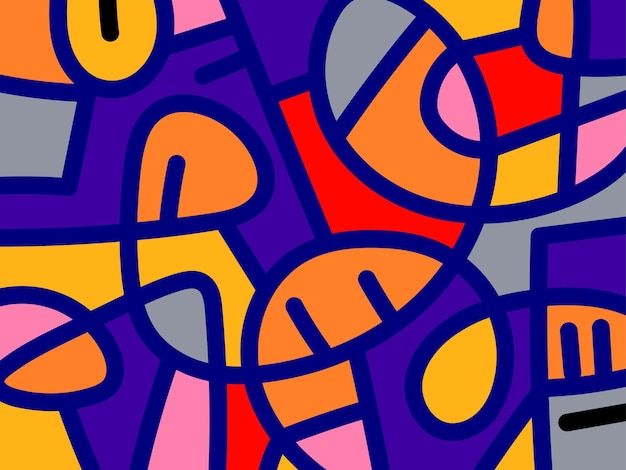
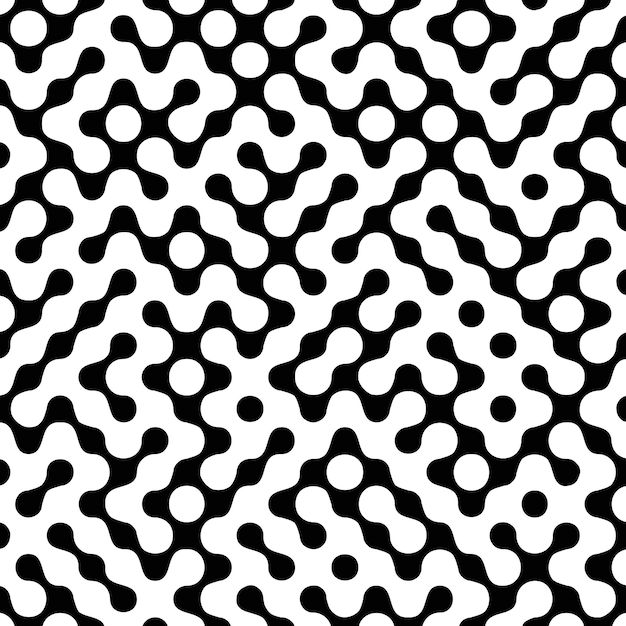
Graphic pattern refers to surface designs with a strong visual clarity derived from graphic design principles: flat colour, high contrast, clean edges, and bold compositional structure. It is a stylistic descriptor rather than a motif category - a floral, geometric, or abstract pattern can all be "graphic" in treatment. In the surface pattern industry, "graphic pattern" commonly signals a design suitable for commercial print applications where clarity of reproduction and visual impact at scale are priorities. It overlaps with Geometric Pattern and Abstract Pattern but is defined by its design approach rather than its motif content.
Graphic pattern refers to surface designs with a strong visual clarity derived from graphic design principles: flat colour, high contrast, clean edges, and bold compositional structure. It is a stylistic descriptor rather than a motif category - a floral, geometric, or abstract pattern can all be "graphic" in treatment. In the surface pattern industry, "graphic pattern" commonly signals a design suitable for commercial print applications where clarity of reproduction and visual impact at scale are priorities. It overlaps with Geometric Pattern and Abstract Pattern but is defined by its design approach rather than its motif content.
Graphic patterns are characterised by: flat, unmodulated colour areas (no gradients or shading); clearly defined edges between elements; high contrast between figure and ground; bold scale; and compositional simplicity or visual rhythm. Detail is reduced to the essential; texture and atmosphere are suppressed in favour of visual impact. The aesthetic has strong associations with mid-20th century commercial design, the Swiss International Style, and contemporary brand identity.
Three structural types are documented in the source:
Graphic pattern does not have a defined motif vocabulary - the term describes treatment rather than content. However, the commercial graphic pattern category commonly uses:
Documented examples include the Burberry chequered check, the Louis Vuitton LV monogram repeat, and the Adidas three-stripe pattern - all commercial graphic patterns functioning as brand identifiers.
Graphic patterns typically use a limited, high-contrast colour palette - two to four colours maximum in many commercial applications. Black and white, or a primary colour against white, are the most commercially versatile combinations. Brand-specific palette restriction (Burberry's camel/black/red check; Adidas's black stripes on white) is a defining feature of the commercial brand-pattern category. High-saturation, limited-palette graphic pattern is commercially active in contemporary fashion and homeware.
The graphic pattern aesthetic as understood in commercial surface design is rooted in 20th century graphic design and printing technology. Screen printing, which requires colour separation and flat colour, naturally produces graphic aesthetic qualities. The Bauhaus and De Stijl movements developed systematic graphic visual languages in the 1920s-1930s that remain foundational. Mid-century commercial print design - for packaging, fashion, and domestic products - produced the graphic pattern vocabulary most directly recognisable today. Contemporary applications extend into brand pattern identity, where companies commission repeat patterns for use across products, packaging, and marketing as visual identity extensions.
Graphic pattern refers to surface designs with a strong visual clarity derived from graphic design principles: flat colour, high contrast, clean edges, and bold compositional structure.
Graphic patterns are characterised by: flat, unmodulated colour areas (no gradients or shading); clearly defined edges between elements; high contrast between figure and ground; bold scale; and compositional simplicity or visual rhythm.
Geometric
Block
Graphic pattern does not have a defined motif vocabulary - the term describes treatment rather than content.
Graphic patterns typically use a limited, high-contrast colour palette - two to four colours maximum in many commercial applications. Black and white, or a primary colour against white, are the most commercially versatile combinations.
The graphic pattern aesthetic as understood in commercial surface design is rooted in 20th century graphic design and printing technology. Screen printing, which requires colour separation and flat colour, naturally produces graphic aesthetic qualities.
Geometric Pattern, Abstract Pattern, Logo Pattern, Stripe Pattern, Check Pattern, and Digital Pattern