Loading
NEW DESIGNERS ADDED WEEKLY!
The best pattern designers.
Browse & hire professional surface pattern designers for fashion, textiles, interiors & product design.
Browse & hire professional surface pattern designers for fashion, textiles, interiors & product design.
We use cookies to improve your experience and understand how PatternDesigners is used.
Discover pattern styles, motifs & structures used throughout surface pattern design, with visual examples to help you recognise every pattern type.

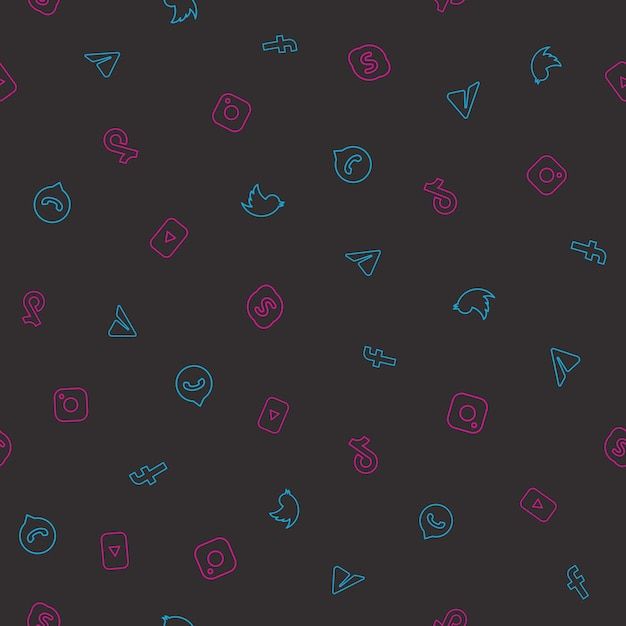
A logo pattern (also called a brand pattern or monogram repeat) uses a company's logo, monogram, or other brand identifier as the primary repeating element in an all-over surface design. The most commercially established examples - Louis Vuitton's LV monogram, Burberry's chequered check, Gucci's GG pattern, and Adidas's three-stripe mark - demonstrate how a consistently applied repeat pattern can become a brand identity asset as powerful as the logo itself. In surface pattern design, logo patterns represent the intersection of graphic design, brand identity, and textile/product design, and are commercially relevant both as aspirational references for surface designers and as a category for designers working in brand identity and licensing.
A logo pattern (also called a brand pattern or monogram repeat) uses a company's logo, monogram, or other brand identifier as the primary repeating element in an all-over surface design. The most commercially established examples - Louis Vuitton's LV monogram, Burberry's chequered check, Gucci's GG pattern, and Adidas's three-stripe mark - demonstrate how a consistently applied repeat pattern can become a brand identity asset as powerful as the logo itself. In surface pattern design, logo patterns represent the intersection of graphic design, brand identity, and textile/product design, and are commercially relevant both as aspirational references for surface designers and as a category for designers working in brand identity and licensing.
Logo patterns use brand graphic elements - letterforms, monograms, or geometric brand marks - as repeating motifs in an all-over surface. The visual character depends entirely on the brand element used: a monogram repeat (LV, GG) reads as a refined graphic grid; a wordmark repeat uses the full brand name or abbreviated form; a geometric mark repeat (Adidas stripes, Burberry check) uses the brand's visual identity without explicit letterforms. Logo patterns typically rely on flat, graphic rendering rather than pictorial or dimensional illustration - the brand graphic element must remain legible at repeat.
Logo patterns use a variety of repeat arrangements:
Rhythm types documented in design literature:
Logo pattern motifs are brand-specific, but the category encompasses:
Logo pattern colour is brand-dictated. The most commercially significant examples use highly distinctive colour/pattern combinations:
Contemporary brand pattern extends beyond luxury heritage into a wide range of commercial applications, with any brand colour system applicable.
Monogram patterns on textiles have a long history - woven monogram and heraldic repeats in historical European textiles predate modern commercial branding. The modern logo-as-pattern concept was established most durably by Louis Vuitton, whose LV monogram canvas was designed in 1896 by Georges Vuitton to counter counterfeiting - an anti-counterfeiting measure that became the world's most copied luxury pattern. The Burberry plaid check was introduced as a lining pattern in 1924 and has become one of the most recognized brand pattern identifiers in fashion. The development of digital design tools - Adobe Illustrator's pattern maker, swatches panel, and transform effects - has made systematic logo pattern development accessible to any brand identity designer.
A logo pattern (also called a brand pattern or monogram repeat) uses a company's logo, monogram, or other brand identifier as the primary repeating element in an all-over surface design.
Logo patterns use brand graphic elements - letterforms, monograms, or geometric brand marks - as repeating motifs in an all-over surface.
Geometric
Block and Half-Drop
Logo
Logo pattern colour is brand-dictated.
Monogram patterns on textiles have a long history - woven monogram and heraldic repeats in historical European textiles predate modern commercial branding.
Graphic Pattern, Geometric Pattern, and Check Pattern