Loading
NEW DESIGNERS ADDED WEEKLY!
The best pattern designers.
Browse & hire professional surface pattern designers for fashion, textiles, interiors & product design.
Browse & hire professional surface pattern designers for fashion, textiles, interiors & product design.
We use cookies to improve your experience and understand how PatternDesigners is used.
Discover pattern styles, motifs & structures used throughout surface pattern design, with visual examples to help you recognise every pattern type.

Halloween pattern is a major commercial category in the seasonal surface design market, ranked alongside Christmas and Easter as one of the three biggest seasonal pattern opportunities. The commercial window runs from August through October, giving designers significant lead time for seasonal product. The market has segmented significantly in recent years - the traditional orange-and-black children's aesthetic is now just one of five recognised commercial directions, with adult-targeted pastel Halloween, vintage, and witchy/cottagecore aesthetics commanding significant and growing market share. Origins in the Celtic festival of Samhain (c. 1st century BC) provide a deep symbolic vocabulary that designers continue to draw from.
Halloween pattern is a major commercial category in the seasonal surface design market, ranked alongside Christmas and Easter as one of the three biggest seasonal pattern opportunities. The commercial window runs from August through October, giving designers significant lead time for seasonal product. The market has segmented significantly in recent years - the traditional orange-and-black children's aesthetic is now just one of five recognised commercial directions, with adult-targeted pastel Halloween, vintage, and witchy/cottagecore aesthetics commanding significant and growing market share. Origins in the Celtic festival of Samhain (c. 1st century BC) provide a deep symbolic vocabulary that designers continue to draw from.
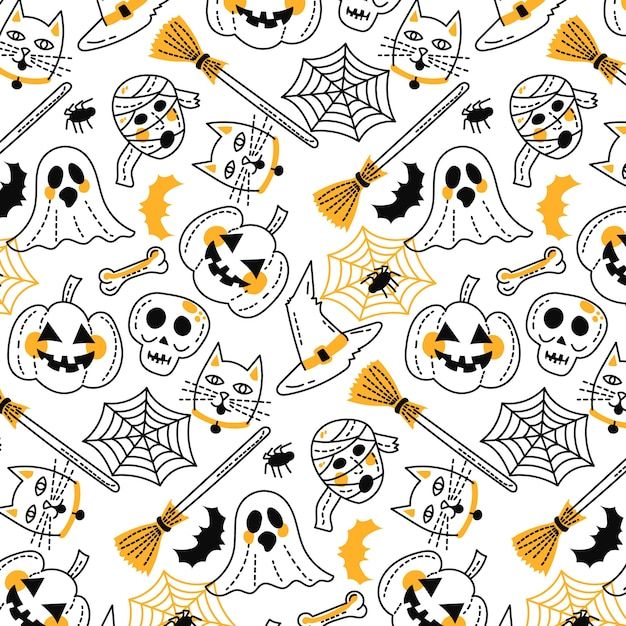
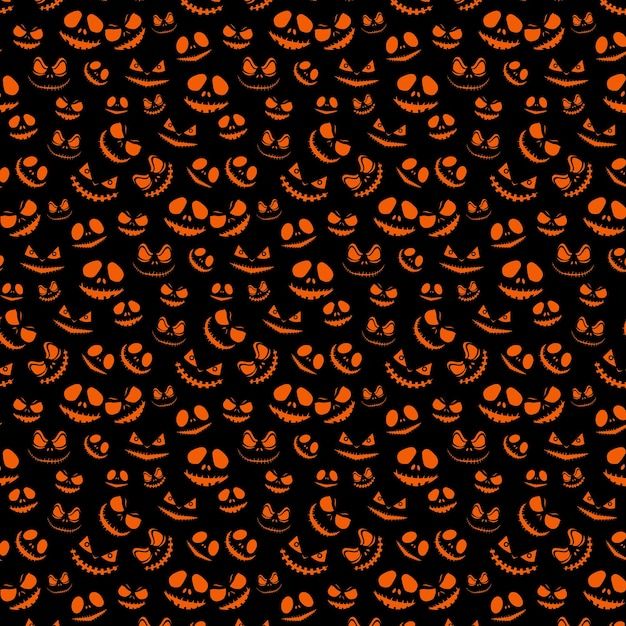
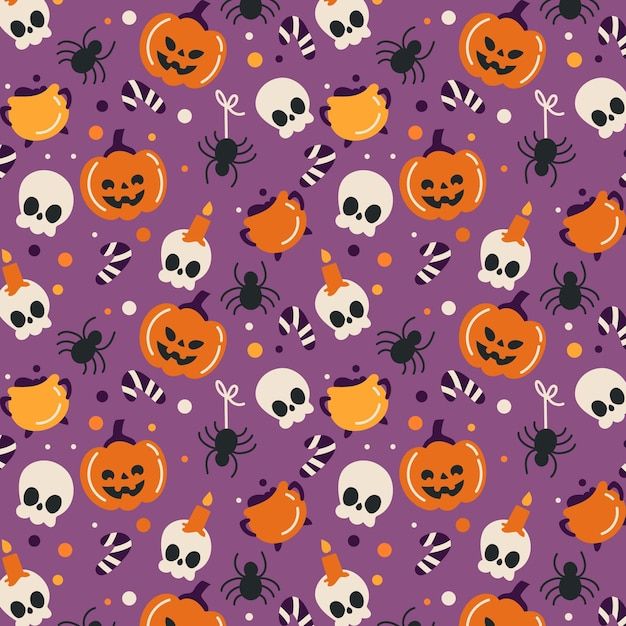
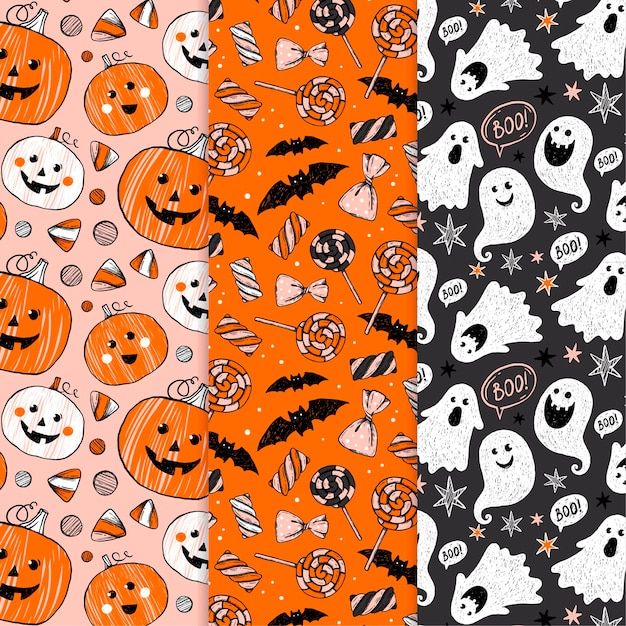
Halloween pattern covers five visually distinct commercial aesthetics:
Halloween patterns use standard all-over repeat structures (tossed, half-drop) as well as placement compositions for apparel and homeware. The seasonal and character-driven nature of the motifs makes small-to-medium scale all-over repeats the dominant commercial format - suitable for print-on-demand fabric, giftwrap, and stationery. Large placement prints (single pumpkin, single ghost) are used for apparel graphics and tea towels.
Halloween's origins trace to the Celtic festival of Samhain, which marked the transition from harvest to winter and was associated with the boundary between the living and the dead becoming permeable. The festival was absorbed into the Christian calendar as All Hallows' Eve (October 31). Irish and Scottish immigrant communities brought Halloween traditions to North America in the 19th century, where it developed its current commercial character. The contemporary commercial Halloween surface design market reflects American consumer culture's high expenditure on seasonal décor and fashion, with the pattern design market following the broader consumer trend toward adult Halloween spending.
Halloween pattern is a major commercial category in the seasonal surface design market, ranked alongside Christmas and Easter as one of the three biggest seasonal pattern opportunities. The commercial window runs from August through October, giving designers significant lead time for seasonal product.
Seasonal
Halloween patterns use standard all-over repeat structures (tossed, half-drop) as well as placement compositions for apparel and homeware.
Novelty and Mythical
Festive, Gothic, Kawaii, and Retro
Halloween's origins trace to the Celtic festival of Samhain, which marked the transition from harvest to winter and was associated with the boundary between the living and the dead becoming permeable. The festival was absorbed into the Christian calendar as All Hallows' Eve (October 31).
Christmas Pattern and Botanical Pattern