Loading
NEW DESIGNERS ADDED WEEKLY!
The best pattern designers.
Browse & hire professional surface pattern designers for fashion, textiles, interiors & product design.
Browse & hire professional surface pattern designers for fashion, textiles, interiors & product design.
We use cookies to improve your experience and understand how PatternDesigners is used.
Discover pattern styles, motifs & structures used throughout surface pattern design, with visual examples to help you recognise every pattern type.

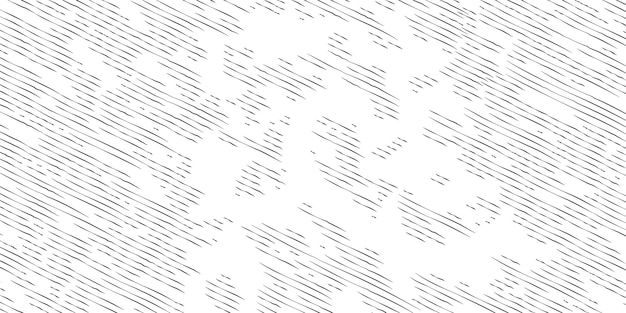
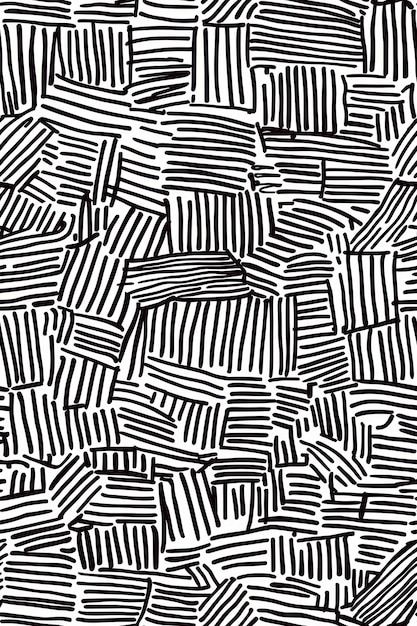
Sketch patterns use the visual language of drawing - visible line marks, hatching, cross-hatching, shading strokes, and the characteristic looseness or precision of freehand work - as the defining aesthetic of the surface design. The sketch quality signals craft, spontaneity, and an art-directed hand-made sensibility, differentiating the design from flat vector or photographic surface treatments. Motifs may be drawn from any subject matter: botanicals, animals, geometric forms, conversational subjects, figures, or abstract mark-making. The defining characteristic is the visibility and quality of the drawn mark itself as part of the design language.
Sketch patterns use the visual language of drawing - visible line marks, hatching, cross-hatching, shading strokes, and the characteristic looseness or precision of freehand work - as the defining aesthetic of the surface design. The sketch quality signals craft, spontaneity, and an art-directed hand-made sensibility, differentiating the design from flat vector or photographic surface treatments. Motifs may be drawn from any subject matter: botanicals, animals, geometric forms, conversational subjects, figures, or abstract mark-making. The defining characteristic is the visibility and quality of the drawn mark itself as part of the design language.
Sketch patterns retain the visual evidence of the drawing process: line weight variation (thicker strokes under pressure, thinner feathered lines), hatching and cross-hatching for tonal areas, uneven or organic outlines, pencil texture, and sometimes visible corrections or reworking. Line quality ranges from controlled and precise (technical illustration style) to loose and gestural (croquis or rapid sketchbook style). Monochrome - black or grey marks on white - is the most common palette, though coloured line on white or tinted grounds is also used. Negative space (undrawn areas) is as important as the marks themselves: well-composed sketch patterns use white space deliberately for balance and rhythm.
Sketch patterns use the full range of surface pattern repeat structures. Tossed repeats suit loose sketched all-overs with multiple illustrated elements. Half-drop and full-drop layouts work well for more formally composed sketch motifs. Seamless construction requires that the illustrated edges of the repeat tile align precisely - a particular consideration for sketch patterns since the organic line quality makes seams more visible if not carefully handled.
A pattern collection built around a sketch aesthetic typically includes:
Monochrome is the core palette: black on white, sepia on cream, white on dark ground. Two-colour variants (black line with a single accent colour) are widely used commercially. Full-colour sketch patterns use coloured pencil, wash-and-line, or digital colour added to line drawing. The drawn-line quality is the consistent identifier regardless of palette. The aesthetic is associated with editorial fashion illustration, vintage natural history drawing, notebook culture, and the craft / maker aesthetic of the 2010s surface pattern market.
The sketch as an art form has documented use from ancient Egypt (gridded sketches for proportion, c.1479-1458 BCE) through the Renaissance (Leonardo da Vinci, Michelangelo) and every subsequent era. The sketchbook as a working tool - used by artists from Degas to Cézanne - became part of the cultural image of artistic practice. In industrial design and product design, sketching is standard ideation methodology; fashion design relies on the croquis (figure sketch) as a communication tool. The sketch aesthetic in surface pattern design draws on all these associations, positioning illustrated patterns as high-craft and design-informed relative to photographic or fully digital alternatives.
Digitally, the sketch aesthetic is replicated through specialist illustration software brushes (Procreate pencil and pen brushes, Photoshop sketch brushes) and by scanning hand-drawn originals. The hand-drawn surface pattern market was particularly active from 2010 onwards as print-on-demand platforms made hand-drawn work commercially viable at small scale.
Sketch patterns use the visual language of drawing - visible line marks, hatching, cross-hatching, shading strokes, and the characteristic looseness or precision of freehand work - as the defining aesthetic of the surface design.
Sketch patterns retain the visual evidence of the drawing process: line weight variation (thicker strokes under pressure, thinner feathered lines), hatching and cross-hatching for tonal areas, uneven or organic outlines, pencil texture, and sometimes visible corrections or reworking.
Fundamentals
Sketch patterns use the full range of surface pattern repeat structures. Tossed repeats suit loose sketched all-overs with multiple illustrated elements. Half-drop and full-drop layouts work well for more formally composed sketch motifs.
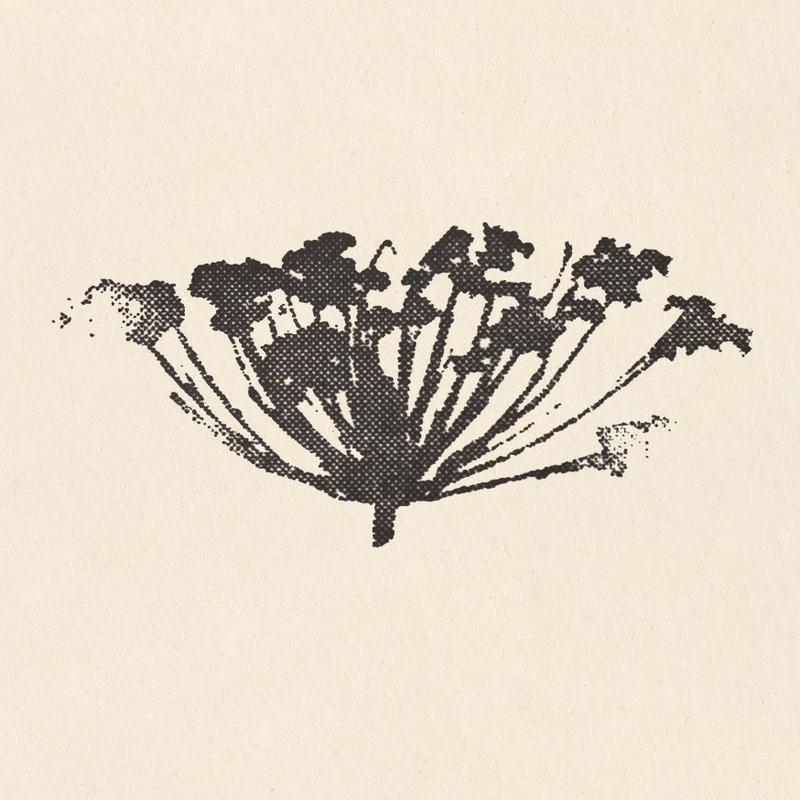
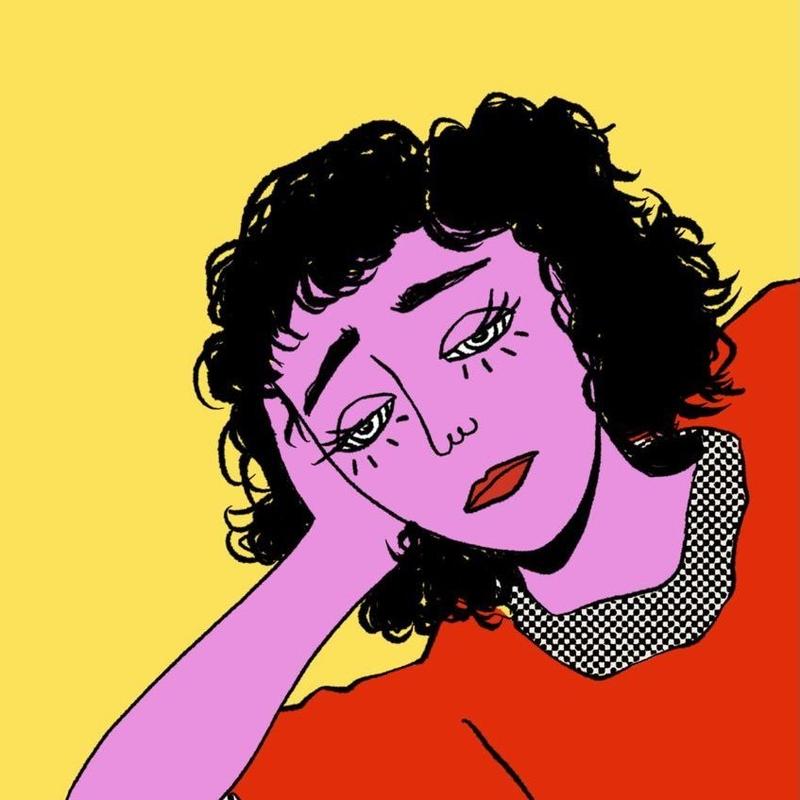
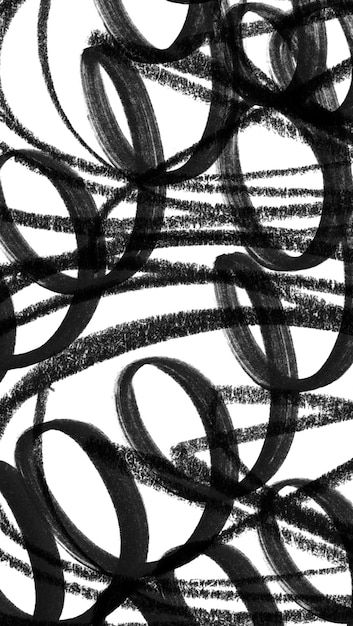
Botanical: sketched leaves, flowers, stems, seeds Animals: fine-line birds, insects, mammals Conversational: sketched everyday objects, food, tools, architectural fragments Abstract mark-making: hatched textures, gestural strokes, grid or dot structures Figures and faces Typography and lettering in drawn style
Monochrome is the core palette: black on white, sepia on cream, white on dark ground. Two-colour variants (black line with a single accent colour) are widely used commercially. Full-colour sketch patterns use coloured pencil, wash-and-line, or digital colour added to line drawing.
1479-1458 BCE) through the Renaissance (Leonardo da Vinci, Michelangelo) and every subsequent era. The sketchbook as a working tool - used by artists from Degas to Cézanne - became part of the cultural image of artistic practice.
Watercolor Pattern, Botanical Pattern, and Stipple Pattern