Loading
NEW DESIGNERS ADDED WEEKLY!
The best pattern designers.
Browse & hire professional surface pattern designers for fashion, textiles, interiors & product design.
Browse & hire professional surface pattern designers for fashion, textiles, interiors & product design.
We use cookies to improve your experience and understand how PatternDesigners is used.
Explore the worlds leading brands, studios & manufacturers that commission, license & produce surface pattern design across fashion, homeware, stationery & more.

Lindex is a Scandinavian fashion chain founded in 1954 by Ingemar Boman and Bengt Rosell in Alingsås, Sweden, initially as a lingerie store called Fynd. The company subsequently acquired the Lindex name from a Gothenburg company, which became the trading name for all stores. Since December 2007, Lindex has been part of the Finnish Stockmann Group (NASDAQ Helsinki), now trading as the Lindex Group. Headquartered in Gothenburg, Lindex employs approximately 5,000 people and operates approximately 480 stores in 18 markets. Online shopping is available in 32 countries. Annual turnover is approximately 650 MEUR.
Defined by Scandinavian design principles: inclusiveness, fit, and comfort as the primary design criteria for women's wear. No single named in-house creative director is documented in the source material. The designer collaboration programme (which has run continuously from at least 2009) signals a deliberate strategy to bring external design identities - including print-driven labels - to Lindex's core Nordic and European customer base. The Lindex Beauty cosmetics and Female Engineering femtech sub-brands indicate category diversification beyond garments.
Lindex's founding category was lingerie; women's wear (jumpers, blouses) was added in the 1960s. Kids' wear, skirts, and trousers expanded the range through the 1970s. In the 1980s, almost all textile manufacturing moved abroad - a shift that also transformed purchasing routines significantly. IK Partners (then Industri Kapital) acquired Lindex from ICA in August 1993 and sold via a Stockholm Stock Exchange listing in April 1995. Lindex opened its first Hong Kong production office in 1993, introducing supplier inspections (including child labour checks) and a formal code of conduct for all suppliers.
Stockmann's 2007 acquisition opened the Russian market; stores opened in St Petersburg (2008) and Moscow (2009). The Fix trademark (colourful kids' wear) was acquired at the end of the 1990s. Online retail launched in Sweden in 2007, extended to Finland (2010) and Norway and all EU countries (2011).
Lindex does not own any factories. Independent suppliers and partner factories operate across China, Hong Kong, Bangladesh, India, and Turkey, managed through five production offices in those markets.
Four core assortment areas: women's wear, lingerie, kids' wear, and cosmetics. Lingerie sub-collections include Ella M and So.U; the category also covers nightwear, hosiery, swimwear, and socks. Kids' wear spans sizes 44-86 (newborn), 92-122 (toddlers), and 128-170 (older children), covering tops and bottoms, outerwear, nightwear, underwear, swimwear, and accessories. Women's wear includes maternity and a Lindex Beauty cosmetics range. Female Engineering is a Lindex femtech sub-brand offering period panties, menopause garments, and maternity and post-partum products.
Lindex operates company stores and an online channel in 32 countries. Country offices in Sweden, Norway, Finland, Czech Republic, the Baltics, and England manage store operations and brand consistency. No outbound licensing programme is documented. The Stockmann Group ownership since 2007 provides a broader Finnish and Nordic retail infrastructure.
Lindex is the market leader in lingerie in Scandinavia and the market leader in kids' wear in Sweden. The chain positions itself within the affordable fast fashion segment with a Scandinavian design identity emphasising inclusiveness, fit, and comfort. Its European expansion has been concentrated in the Baltic states, the Czech Republic, Slovakia, and Central Europe, with a secondary presence in the Middle East.
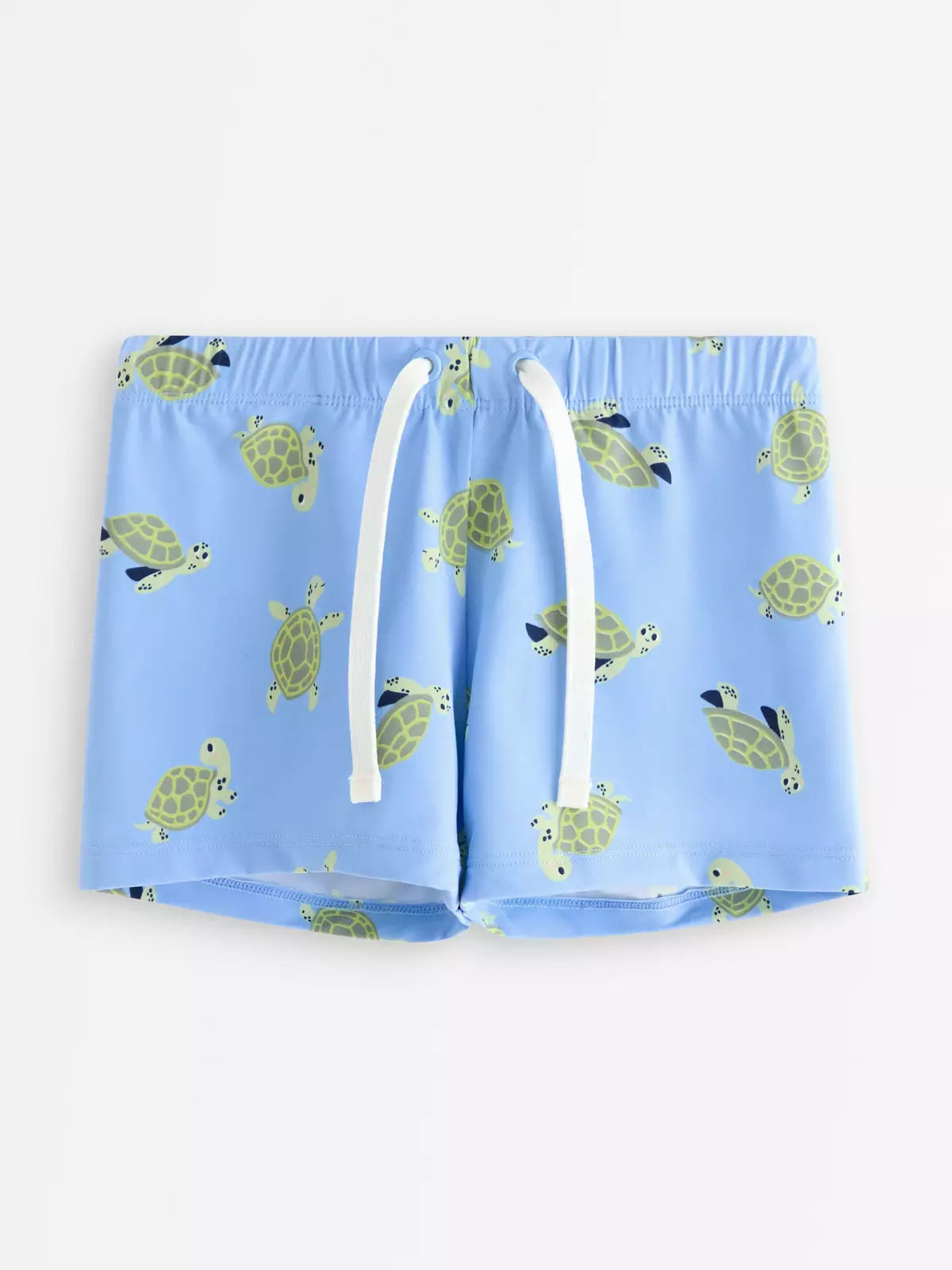
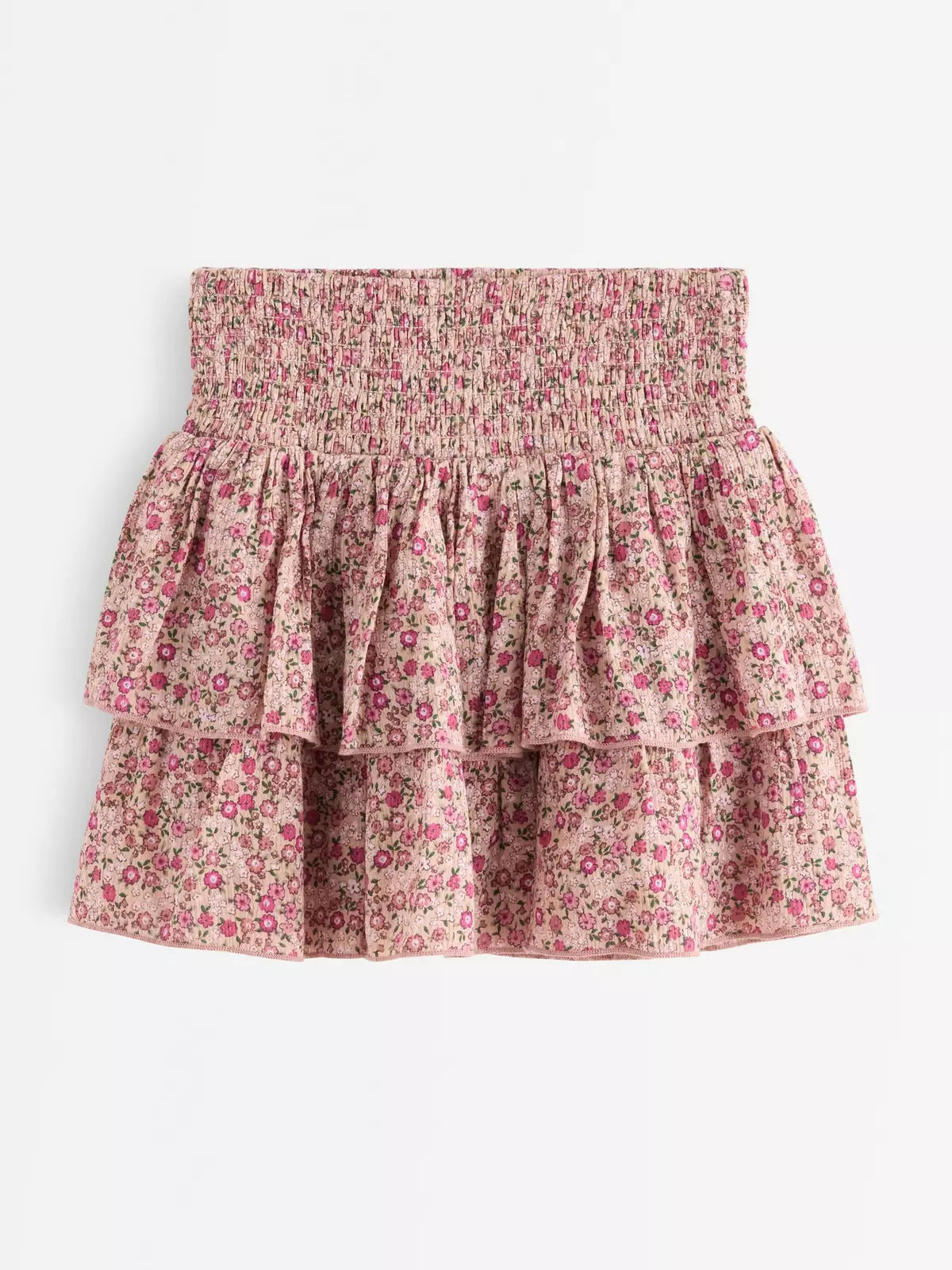
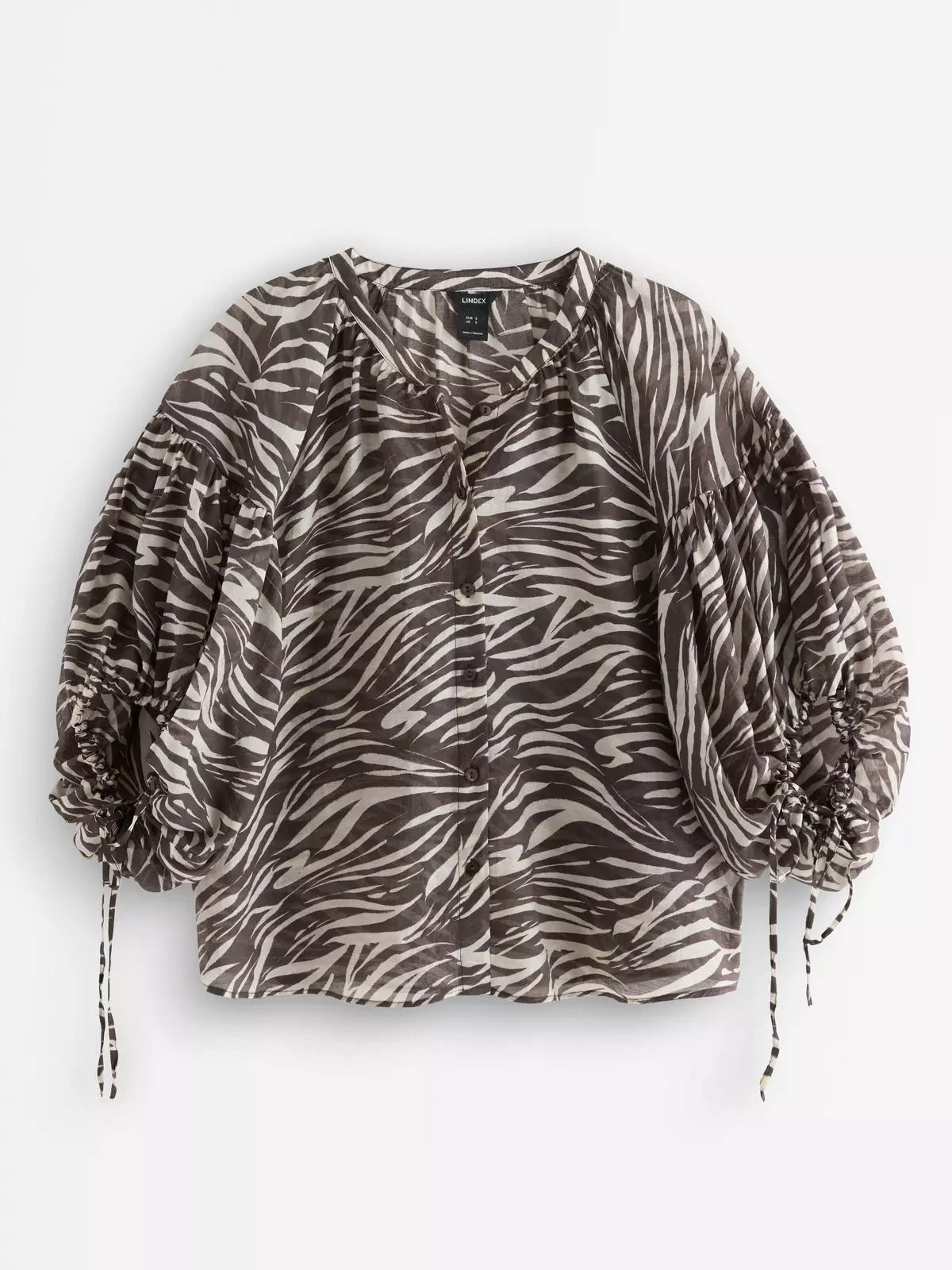
Lindex's core product categories - lingerie, swimwear, and kids' wear - are print-intensive by nature, requiring seasonal colourways, printed fabric, lace, and motif-driven surface design as fundamental product attributes. Kids' wear is an especially print-forward category (colourful motifs, illustrated prints, character graphics across newborn to older children ranges).
The documented designer collaboration programme directly connects Lindex to prominent print and pattern identities:
Lindex is a Scandinavian fashion chain founded in 1954 by Ingemar Boman and Bengt Rosell in Alingsås, Sweden, initially as a lingerie store called Fynd. The company subsequently acquired the Lindex name from a Gothenburg company, which became the trading name for all stores.
Lindex's core product categories - lingerie, swimwear, and kids' wear - are print-intensive by nature, requiring seasonal colourways, printed fabric, lace, and motif-driven surface design as fundamental product attributes.
Four core assortment areas: women's wear, lingerie, kids' wear, and cosmetics. U; the category also covers nightwear, hosiery, swimwear, and socks.
Lindex is the market leader in lingerie in Scandinavia and the market leader in kids' wear in Sweden. The chain positions itself within the affordable fast fashion segment with a Scandinavian design identity emphasising inclusiveness, fit, and comfort.
Lindex operates company stores and an online channel in 32 countries. Country offices in Sweden, Norway, Finland, Czech Republic, the Baltics, and England manage store operations and brand consistency. No outbound licensing programme is documented.
Lindex's founding category was lingerie; women's wear (jumpers, blouses) was added in the 1960s. Kids' wear, skirts, and trousers expanded the range through the 1970s. In the 1980s, almost all textile manufacturing moved abroad - a shift that also transformed purchasing routines significantly.
Sweden