We use cookies to improve your experience and understand how PatternDesigners is used.
Nordstrom was founded in 1901 by John W. Nordstrom and Carl F. Wallin as a Seattle shoe store, expanded into apparel in 1963, and became a full-line department store by 1971. The brand launched its off-price Nordstrom Rack division in 1973. As of 2022, it operates 100 full-line stores averaging 140,000 sq ft and 249 Rack locations. The company was listed on NYSE from 1999 until May 2025, when it was taken private in a $6.25 billion deal: the Nordstrom family holds 50.1% and Mexican retail company El Puerto de Liverpool holds 49.9%. Women's Wear Daily named Nordstrom the top fashion retailer in 2013.
Nordstrom does not operate a central design studio or publish a proprietary aesthetic direction. The full-line model is curatorial - brand selection drives merchandise rather than in-house design. Private-label and Nordstrom-branded product lines exist but are not a primary part of the company's identity. The Nordstrom Local format reflects a shift toward service-led retail rather than product-led design.
The business expanded from eight shoe stores in 1958 to a full clothing retailer after acquiring Best's Apparel of Seattle in 1963. The family retained control across three generations until 1997, when the first non-Nordstrom CEO was appointed. In 2000, the Nordstrom family reasserted control; Erik Nordstrom became sole CEO in 2020. The company acquired flash-sale platform HauteLook for $180 million in 2011 and launched Nordstrom Local service hubs (no inventory, focus on styling and order pickup) in 2017. It previously operated a boutique chain called Façonnable, sold in 2007. A Canadian division ran from 2014 to 2023 across six full-line stores and seven Rack locations before exiting due to unprofitability.
Full-line stores carry clothing, shoes, accessories, and beauty products for men, women, and children. Nordstrom Rack sells discounted merchandise from full-line inventory. Nordstrom Local hubs offer personal styling, tailoring, and online order pickup. The brand carries a curated mix of designer, contemporary, and mass-market labels, cycling approximately 10% of underperforming brands each year. In late 2020, the company announced it would cease selling fur and exotic animal skins by end of 2021. In 2021, it partnered with plus-size designer platform 11 Honoré to carry extended-size designer fashion.
Nordstrom operates on a wholesale retail model, buying seasonal product from brands and labels across its 100 full-line stores and 249 Rack locations. The Anniversary Sale (July) and Half-Yearly Sales (May, December) are key volume-driving events. The brand's decision to carry or drop labels carries material commercial weight for supplier brands. Nordstrom does not license its name for third-party manufacture of fashion goods.
Nordstrom competes in the US upmarket department store segment with Bloomingdale's, Neiman Marcus, Saks Fifth Avenue, and Dillard's. The Nordstrom Rack division competes with TJX and Ross Stores in off-price. Digital sales reached 33% of total revenue by 2019. The brand is a Hall of Fame member of Fortune magazine's "100 Best Companies to Work For" list. It ranked 183rd on the Fortune 500 in 2018.
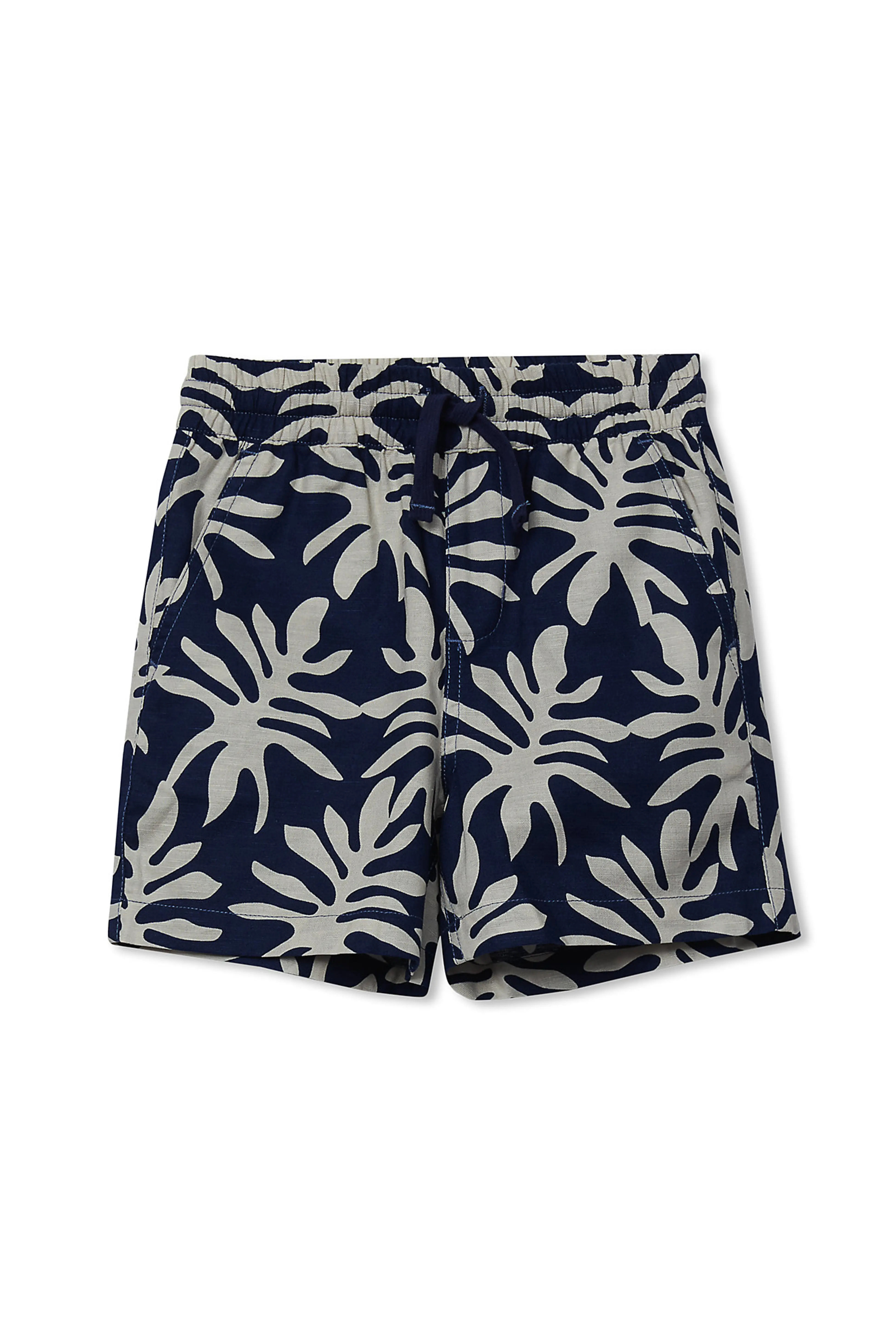
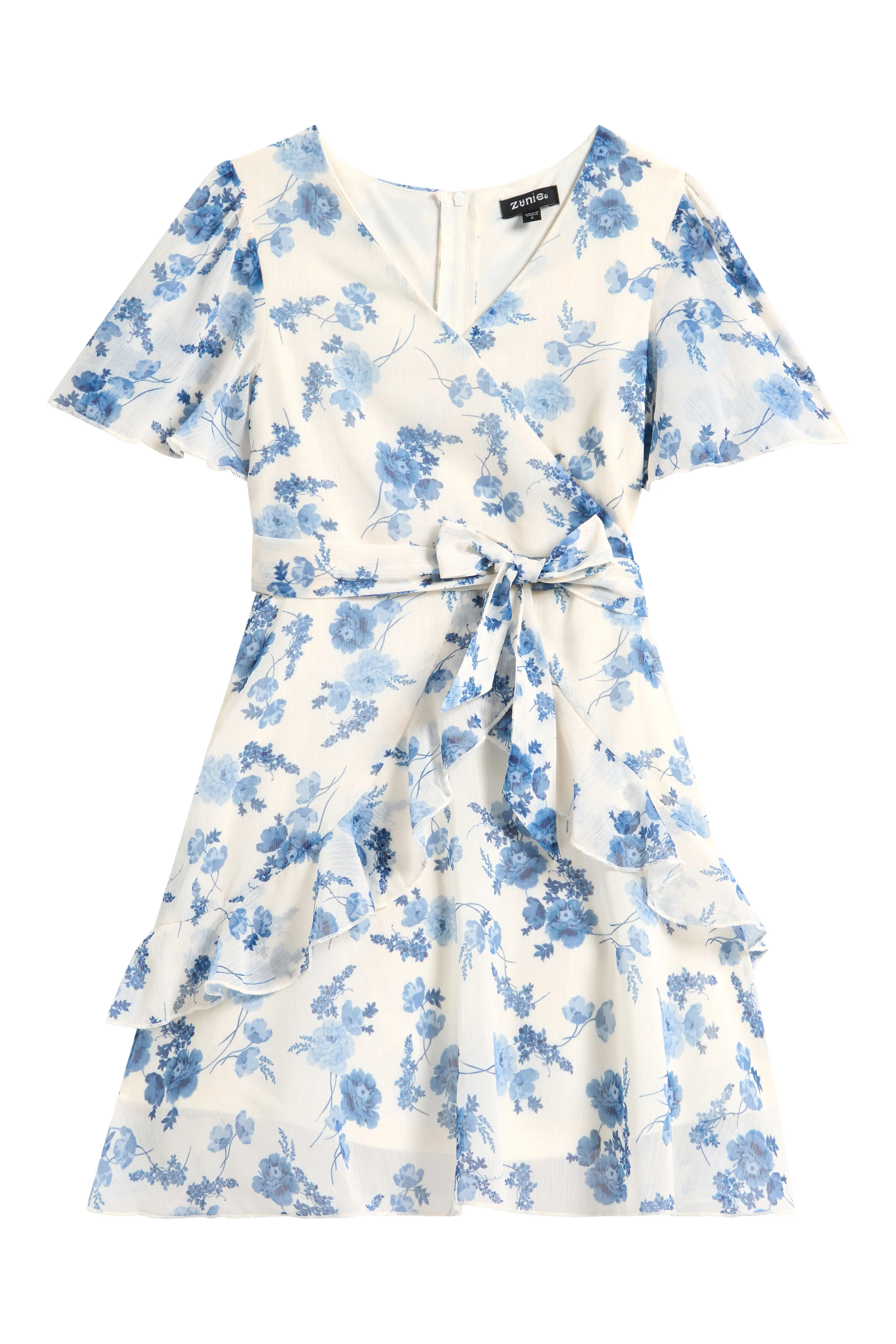
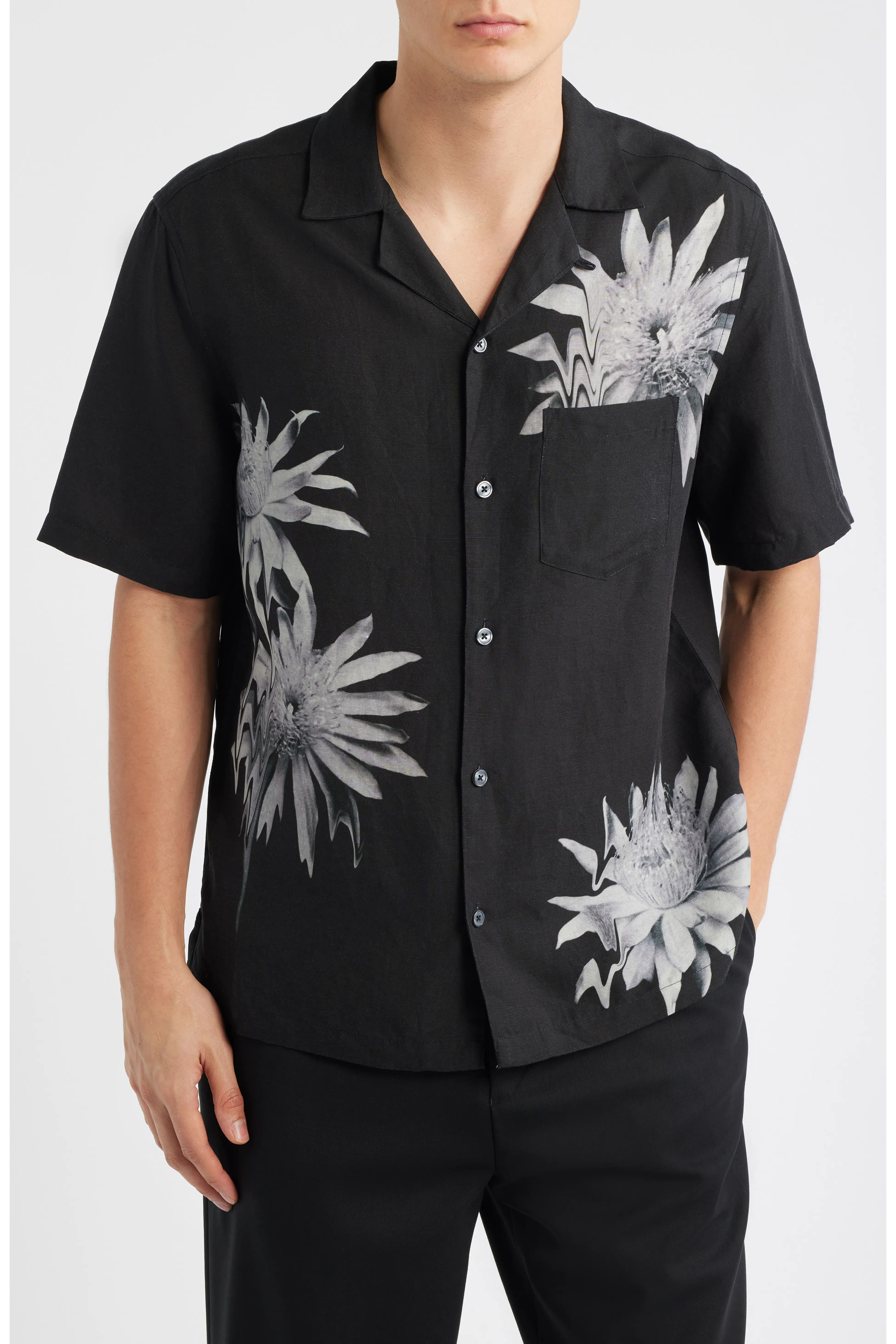
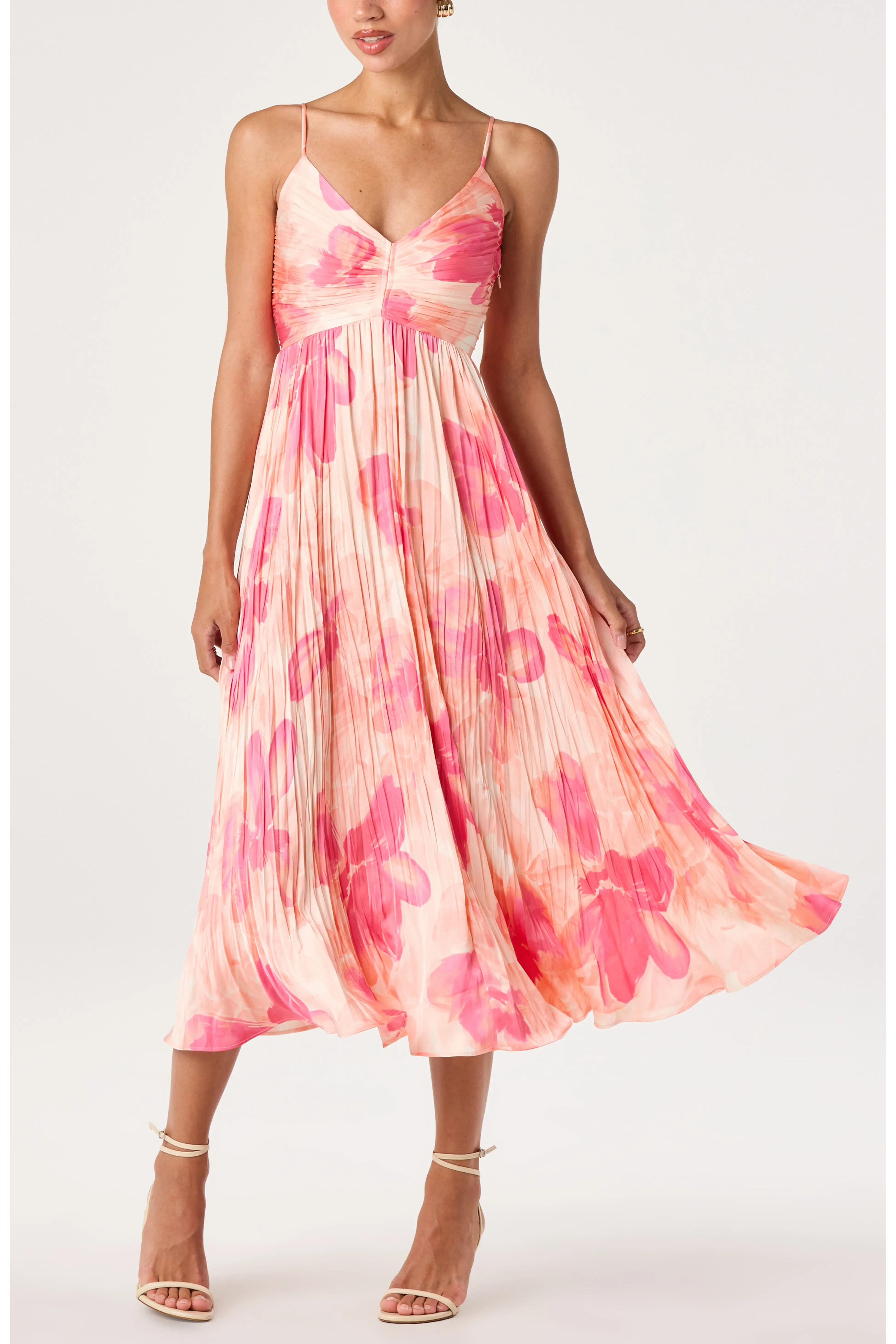
As a major US fashion retailer, Nordstrom is a primary distribution point for brands whose seasonal product ranges depend on print and pattern refresh cycles - particularly womenswear, activewear, accessories, and home categories. Its curated multi-label model means print-driven collections from mid-to-luxury designers reach US consumers through Nordstrom's national store network and e-commerce.
In early 2025, a design patent dispute between fitness entrepreneur Cassey Ho (POPFLEX) and Nordstrom/Nordstrom Rack over a "Tutu Skort" - alleged to copy Ho's patented "Pirouette Skort" design - attracted significant attention. The case was cited as a notable example of an independent designer using intellectual property law to challenge design duplication within major retail channels. Nordstrom removed the product after a cease-and-desist but the dispute continued publicly through 2025.
Nordstrom was founded in 1901 by John W. Nordstrom and Carl F. Wallin as a Seattle shoe store, expanded into apparel in 1963, and became a full-line department store by 1971. The brand launched its off-price Nordstrom Rack division in 1973.
As a major US fashion retailer, Nordstrom is a primary distribution point for brands whose seasonal product ranges depend on print and pattern refresh cycles - particularly womenswear, activewear, accessories, and home categories.
Full-line stores carry clothing, shoes, accessories, and beauty products for men, women, and children. Nordstrom Rack sells discounted merchandise from full-line inventory. Nordstrom Local hubs offer personal styling, tailoring, and online order pickup.
Nordstrom competes in the US upmarket department store segment with Bloomingdale's, Neiman Marcus, Saks Fifth Avenue, and Dillard's. The Nordstrom Rack division competes with TJX and Ross Stores in off-price. Digital sales reached 33% of total revenue by 2019.
Nordstrom operates on a wholesale retail model, buying seasonal product from brands and labels across its 100 full-line stores and 249 Rack locations. The Anniversary Sale (July) and Half-Yearly Sales (May, December) are key volume-driving events.
The business expanded from eight shoe stores in 1958 to a full clothing retailer after acquiring Best's Apparel of Seattle in 1963. The family retained control across three generations until 1997, when the first non-Nordstrom CEO was appointed.
United States