Loading
NEW DESIGNERS ADDED WEEKLY!
The best pattern designers.
Browse & hire professional surface pattern designers for fashion, textiles, interiors & product design.
Browse & hire professional surface pattern designers for fashion, textiles, interiors & product design.
We use cookies to improve your experience and understand how PatternDesigners is used.
Explore the worlds leading brands, studios & manufacturers that commission, license & produce surface pattern design across fashion, homeware, stationery & more.

s.Oliver is a German fashion company headquartered in Rottendorf, Bavaria. Founded in 1969 by Bernd Freier as a 25-square-metre boutique in Würzburg - named Sir Oliver in reference to the Charles Dickens character and the London fashion scene - the company grew into one of Europe's 20 largest fashion groups by 2009. The brand's early trajectory was defined by Freier's 1974 decision to travel directly to India to source Madras Check shirts from local textile manufacturers, bypassing German wholesalers and establishing a direct supply model that gave the company competitive flexibility. A legal dispute over the name "Sir Oliver" with 4711 (Mäurer & Wirtz) in 1978 led to the rebrand as s.Oliver, registered with the German Patent and Trademark Office in 1979. s.Oliver passed €1 billion in annual turnover in 2007 and generated €1.16 billion in brand turnover in 2009. Bernd Freier left management in November 2019; Claus-Dietrich Lahrs has been CEO since November 4, 2019. Products are available in more than 30 countries through 173 own retail stores, 400 partner stores, and distribution across 1,991 shops and 2,507 sales floors globally.
Bernd Freier founded the company and led it as CEO until 2014; he remained involved until November 2019. Claus-Dietrich Lahrs has been CEO since November 4, 2019. Design operations are centralised at the Rottendorf headquarters, where all departments (design, marketing, logistics, distribution) are co-located. Purchasing organisations in Hong Kong, Hangzhou (China), Chennai (India), Jakarta (Indonesia), Dhaka (Bangladesh), and Istanbul (Turkey) manage international production sourcing. s.Oliver's design heritage is defined by its continental European mass-premium positioning - German efficiency combined with a broad product architecture across age groups and lifestyle segments. The Anastacia fashion collection (2006) was a notable celebrity/designer collaboration; the brand also used Dieter Bohlen, David Garrett, Ivan Lendl, and Dirk Nowitzki as brand ambassadors across eras.
Brand lines (under s.Oliver brand):
Additional s.Oliver product lines:
Licensed product lines (12 in total):
Former/separate brands:
s.Oliver operates 173 own retail stores and 400 stores in cooperation with partner companies (franchise/partner retail model); products are also distributed through 1,991 independent shops and 2,507 sales floors globally. The company operates a 12-category licensed product programme extending the s.Oliver brand into shoes, eyewear, watches, jewellery, home, fragrances, umbrellas, garden, and baby products. These licences function as the brand's accessories and lifestyle category strategy - each licence partner develops and manufactures product within s.Oliver's brand guidelines. comma, originally an internal brand development (Chaloc GmbH 1993), operates as a fully independent brand. The Knockout denim brand (from acquired Chicago manufacturer, 1987) represents s.Oliver's historic presence in the denim category. s.Oliver's products reach 30+ countries primarily through Western, Central, and Eastern Europe, with India as a noted non-European presence.
s.Oliver operates as a vertically integrated European fashion group - design at Rottendorf HQ, sourcing through purchasing organisations in Hong Kong, Hangzhou, Chennai, Jakarta, Dhaka, and Istanbul, and distribution centralised through the Rottendorf logistics centre. The company's German and Central European home market is primary, with retail presence extending to Austria, Switzerland, Belgium, Netherlands, Luxembourg, Poland, Czech Republic, France, Italy, Slovenia, Croatia, Serbia, Bosnia and Herzegovina, and India. The group's multi-brand structure (s.Oliver Casual, QS by s.Oliver, s.Oliver Selection, comma, Knockout/Chicago denim) covers multiple consumer tiers from teen/young-adult to sophisticated lifestyle - providing broad domestic market coverage. The comma brand - originally an internal development (Chaloc GmbH 1993; comma 2002) and later taken over by s.Oliver in 2001 - now operates autonomously and independently from s.Oliver.
s.Oliver's position as one of Germany's and Europe's leading contemporary fashion groups places surface pattern design at the centre of its multi-season apparel operation.
Madras Check shirts as founding product - s.Oliver's first commercially significant product line was the Madras Check shirt, sourced directly from India in 1974 by founder Bernd Freier. The Madras check - a traditional Indian cotton textile with a distinctive plaid/check pattern in irregular colourways woven at the Madras (now Chennai) textile centres - was the product that established s.Oliver's reputation and commercial viability in the German market. The founder's early recognition that direct-source textile procurement gave competitive advantage (bypassing German wholesalers to negotiate directly with Indian manufacturers) is a founding design-supply insight that remains relevant to the company's current purchasing organisation structure (with offices in Chennai, among others). The Madras check is structurally a surface pattern design category - a woven plaid with specific colourway and weave characteristics rooted in Indian textile tradition.
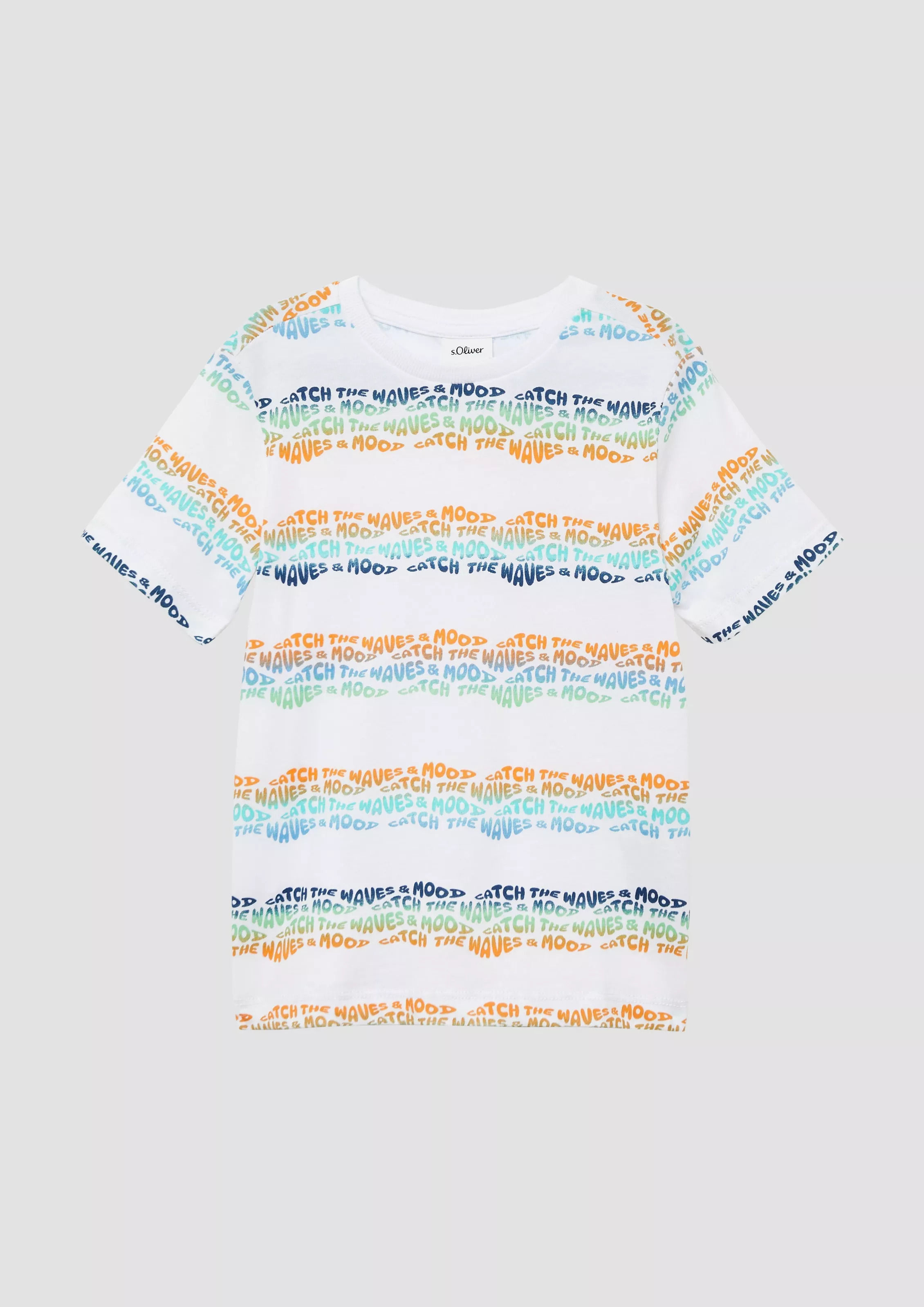
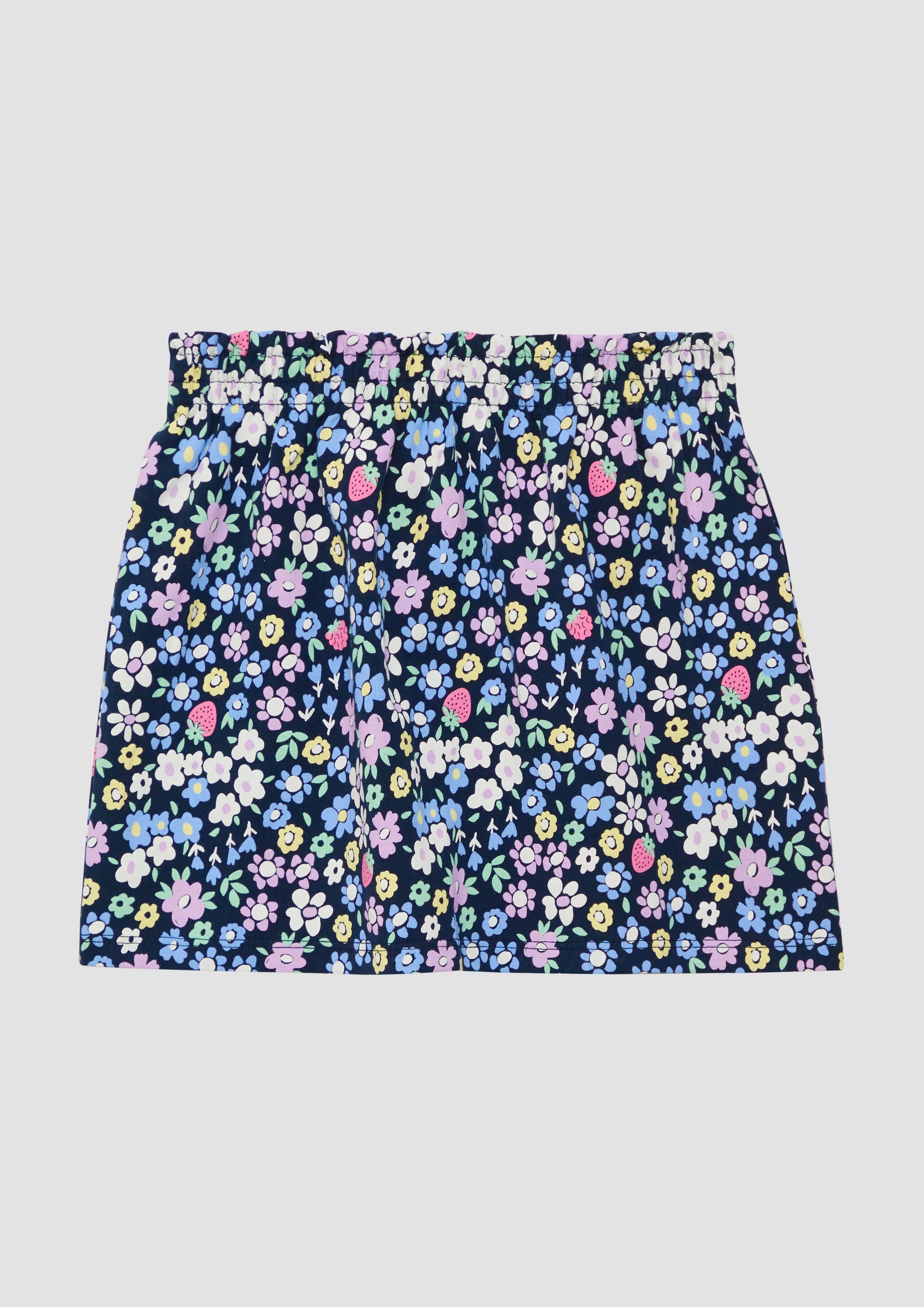
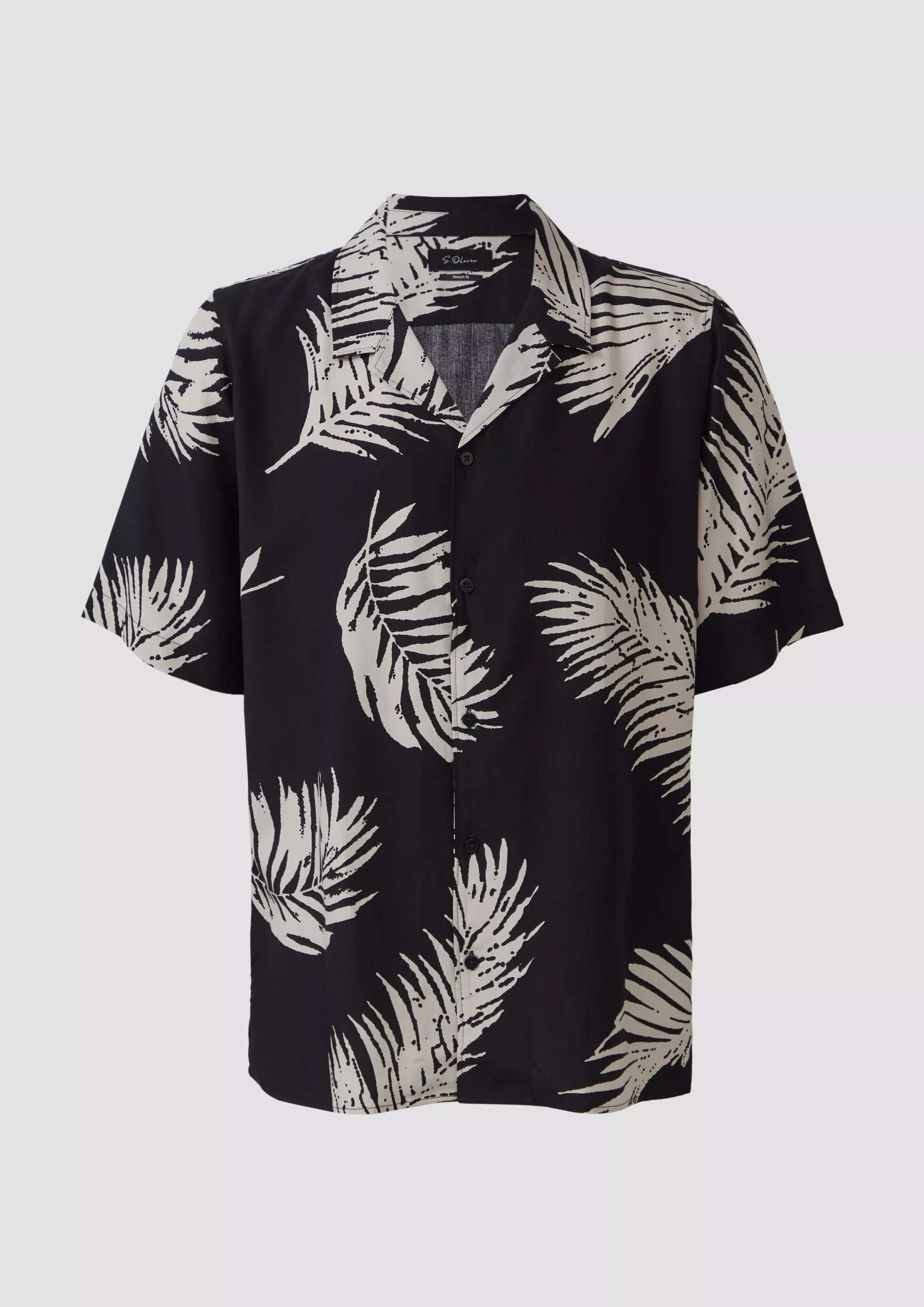
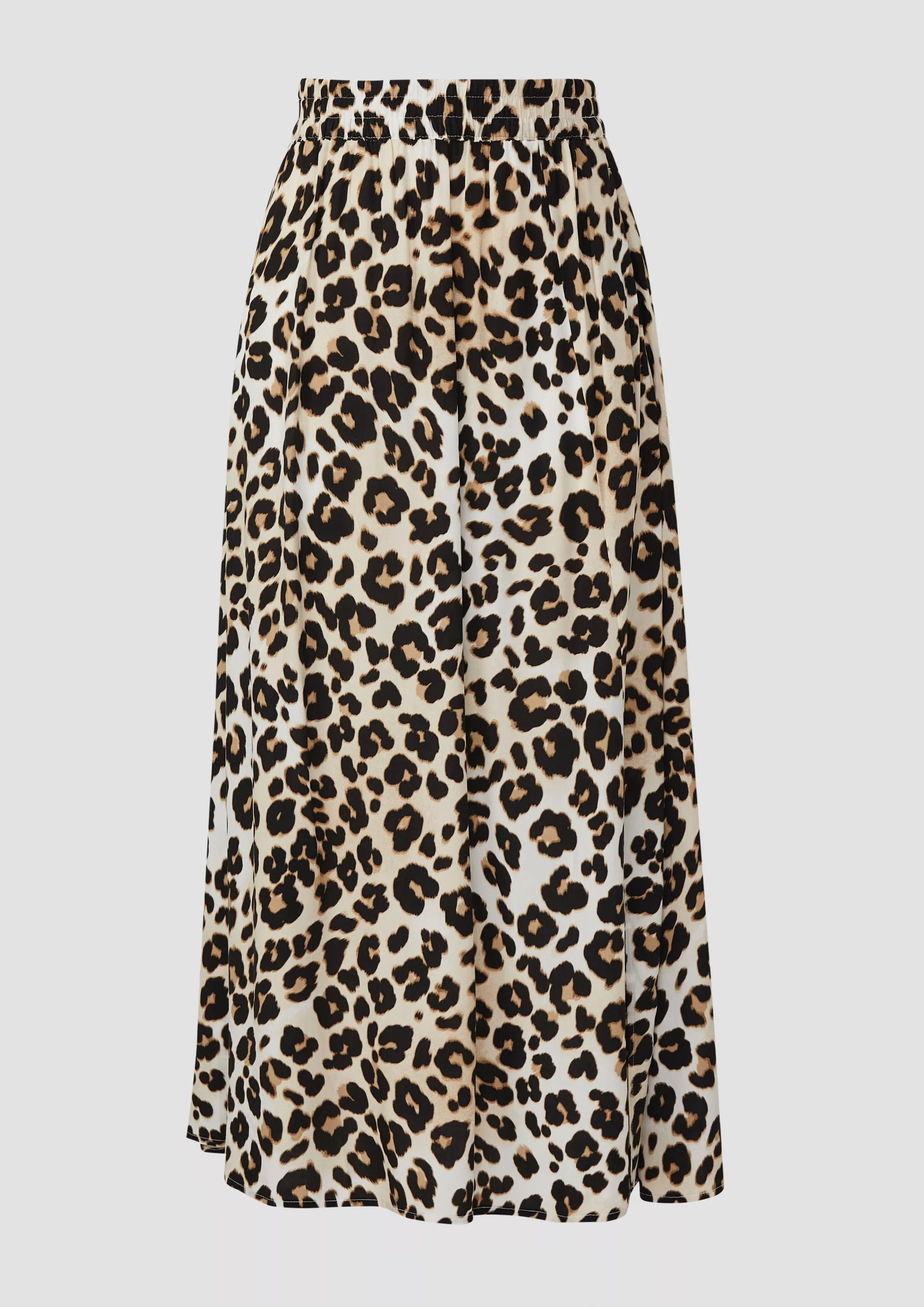
Multi-brand seasonal apparel - s.Oliver operates three distinct brand lines (Casual, QS, Selection) targeting different consumers across different design registers. Each brand line requires independent seasonal surface pattern direction: QS by s.Oliver (teen/young adult) will draw on trend-reactive print inputs (graphic print, bold abstract, seasonal floral, stripe); s.Oliver Casual (mass contemporary) requires accessible trend prints in womenswear and menswear; s.Oliver Selection (sophisticated/understated) requires elevated surface treatments - textured fabrics, tonal print, refined stripe and check. This multi-line structure means s.Oliver is simultaneously managing seasonal print direction across consumer tiers - making it a significant buyer of commercial surface design across the mass-to-premium spectrum.
s.Oliver Bodywear - lingerie and swimwear categories are pattern-intensive; seasonal bodywear collections require print direction in intimate apparel (lace effect, printed panels, graphic lingerie) and beachwear (geometric, tropical, and abstract swimwear prints).
s.Oliver Home (licensed) - home textiles and home décor products involve surface pattern design in bedding, cushions, and soft furnishings. The licensed home range extends s.Oliver's surface design activity beyond apparel into the domestic textile market.
Sports kit design - s.Oliver's primary sponsorship of Borussia Dortmund (1997-2000) as kit designer/supplier and Lech Poznan (from 2010) as main sponsor and team outfitter placed the brand in professional sports kit surface design: translating the s.Oliver brand visual system into printed team apparel for stadium, media, and public visibility.
s.Oliver Jewel and Accessories - licensed jewellery and accessories involve surface graphic application of the s.Oliver brand identity across hard accessories, bags, and leather goods.
Oliver is a German fashion company headquartered in Rottendorf, Bavaria. Founded in 1969 by Bernd Freier as a 25-square-metre boutique in Würzburg - named Sir Oliver in reference to the Charles Dickens character and the London fashion scene - the company grew into one of Europe's 20 largest fashion groups by 2009.
Oliver's position as one of Germany's and Europe's leading contemporary fashion groups places surface pattern design at the centre of its multi-season apparel operation. Oliver's first commercially significant product line was the Madras Check shirt, sourced directly from India in 1974 by founder Bernd Freier.
Oliver 2001; now operates autonomously and independently Knockout - denim brand; relaunched from acquired Chicago manufacturer in 1987
Oliver operates as a vertically integrated European fashion group - design at Rottendorf HQ, sourcing through purchasing organisations in Hong Kong, Hangzhou, Chennai, Jakarta, Dhaka, and Istanbul, and distribution centralised through the Rottendorf logistics centre.
Oliver operates 173 own retail stores and 400 stores in cooperation with partner companies (franchise/partner retail model); products are also distributed through 1,991 independent shops and 2,507 sales floors globally.
1969: Bernd Freier founds Sir Oliver, a 25 sqm boutique in Würzburg, Germany; named in reference to Oliver Twist (Dickens) and the London fashion scene 1974: Freier travels to India to negotiate directly with textile manufacturers; produces "Madras Check shirts" sold through E.
Germany