
We use cookies to improve your experience and understand how PatternDesigners is used.
Shopko Stores, Inc. was an American chain of discount department stores headquartered in Green Bay (Ashwaubenon), Wisconsin. Founded in April 1962 by Chicago pharmacist James Ruben as ShopKo Corporation, the company was among the first retail chains to integrate pharmacies and optical centers within discount department stores. It grew through the Great Lakes and Midwest regions, reaching $100 million in annual sales by 1977 and $1 billion by 1988. After becoming a public company in 1991 (NYSE: SKO), the chain expanded nationally - acquiring Pamida (rural discount chain, 1999) and Venture Stores (1998). In December 2005, Sun Capital Partners took the company private. All retail stores closed on June 23, 2019, after Shopko filed for Chapter 11 bankruptcy in January 2019 with assets under $1 billion against liabilities of up to $10 billion. The Shopko Optical division was sold separately to Monarch Alternative Capital LP ($8.5 million, April 2019) and was subsequently acquired by German optical group Fielmann AG; it continues to operate.
No named creative director or design team leadership is documented for Shopko. The company's commercial positioning was value retail rather than design-led fashion. Private-label brand design was a sourced/bought operation. The Visual Merchandising and Store Design trade press covered Shopko's store reformat announcements (Vision 2000 in 1991; Beyond 2000 in 1999; Hometown format from 2010) - these were store environment design programmes focused on in-store layout and visual merchandising rather than product surface design.
General merchandise - apparel (women's, men's, children's), footwear (via Payless ShoeSource in-store contract from 1999), home goods, electronics, seasonal merchandise, toys
Pharmacy - introduced 1971; pharmacies were a defining early service differentiator; closed December 2018 (patient records sold to Walgreens, CVS, Hy-Vee, Kroger)
Optical / eye care - introduced 1978; Shopko was among the first chains to offer in-store optical centers; Shopko Optical survives as independent business under Fielmann AG
Shopko Express - smaller pharmacy-focused format (from 2005); limited general merchandise, groceries, beer, wine, health/beauty; competed with Walgreens/CVS
Shopko Hometown - small-community format (from 2010; expanded from 2012 Pamida merger); aimed at communities of 3,000-8,000; carried ~70% of full-store merchandise
FastCare - in-store walk-in medical clinics; operated in partnership with Bellin Health (Green Bay) and local hospitals
Private-label brands - Shopko, Willow Bay, Bailey's Point, NorthCrest, Energy Zone, Soft Sensations, Peanut & Ollie, Green Soda; primarily in apparel and general merchandise
Shopko's most significant retail licensing relationship was its long-term contract with Payless ShoeSource (from 1999), which leased floorspace within Shopko stores. Payless filed its own bankruptcy in February 2019, closing contemporaneously with Shopko's liquidation. The pharmacy business (established 1971) was the most strategically distinctive service element in Shopko's retail model, with patient records sold at closure to Walgreens, CVS, Hy-Vee, and Kroger. Distribution was managed through Spectrum America Supply Chain Solutions (a subsidiary of Metro Supply Chain Group, created 2016) with centres in De Pere, Wisconsin; Omaha, Nebraska; Quincy, Illinois; and Boise, Idaho. Shopko's IT services were outsourced to HCL Technologies (Chennai, India) from May 2010.
At its peak, Shopko operated 363 stores across 24 US states, positioned as a value-focused discount department store competing with Kmart, Walmart, and Target in small to mid-sized communities where those chains were less present. Its acquisition of Pamida gave it deep penetration into rural communities of 3,000-8,000 people (Shopko Hometown). The company's commercial model combined general merchandise (apparel, home, electronics, seasonal), pharmacy, and optical in a single-stop format - a differentiated proposition in small-town retail. Sun Capital Partners' 2005 leveraged buyout left the company with a debt structure that proved unmanageable against the shift toward e-commerce and mass discounters. The company's last slogan - "The Stuff that Counts" - reflected its positioning around household essentials for mid-America rather than fashion-forward retail.
Shopko's relevance to surface pattern design is limited and structural rather than design-led.
Private-label apparel - Shopko's private-label apparel brands (Willow Bay, Bailey's Point, NorthCrest, Energy Zone, Soft Sensations) represent owned brands that required seasonal textile and surface design decisions: fabric selection, print direction, colourway, and graphic application for women's, men's, and children's apparel at value price points. In the private-label apparel category, pattern and print choices are made by the retailer's buying and product teams or through sourced design services - making Shopko a low-to-mid-volume buyer of applied surface design in the mass-market apparel segment.
Home textiles - Shopko's home goods category would have included bedding, towels, and soft goods - categories with direct surface pattern relevance (printed sheets, patterned quilts, decorative textiles). No specific private-label home textile brands are detailed in the source.
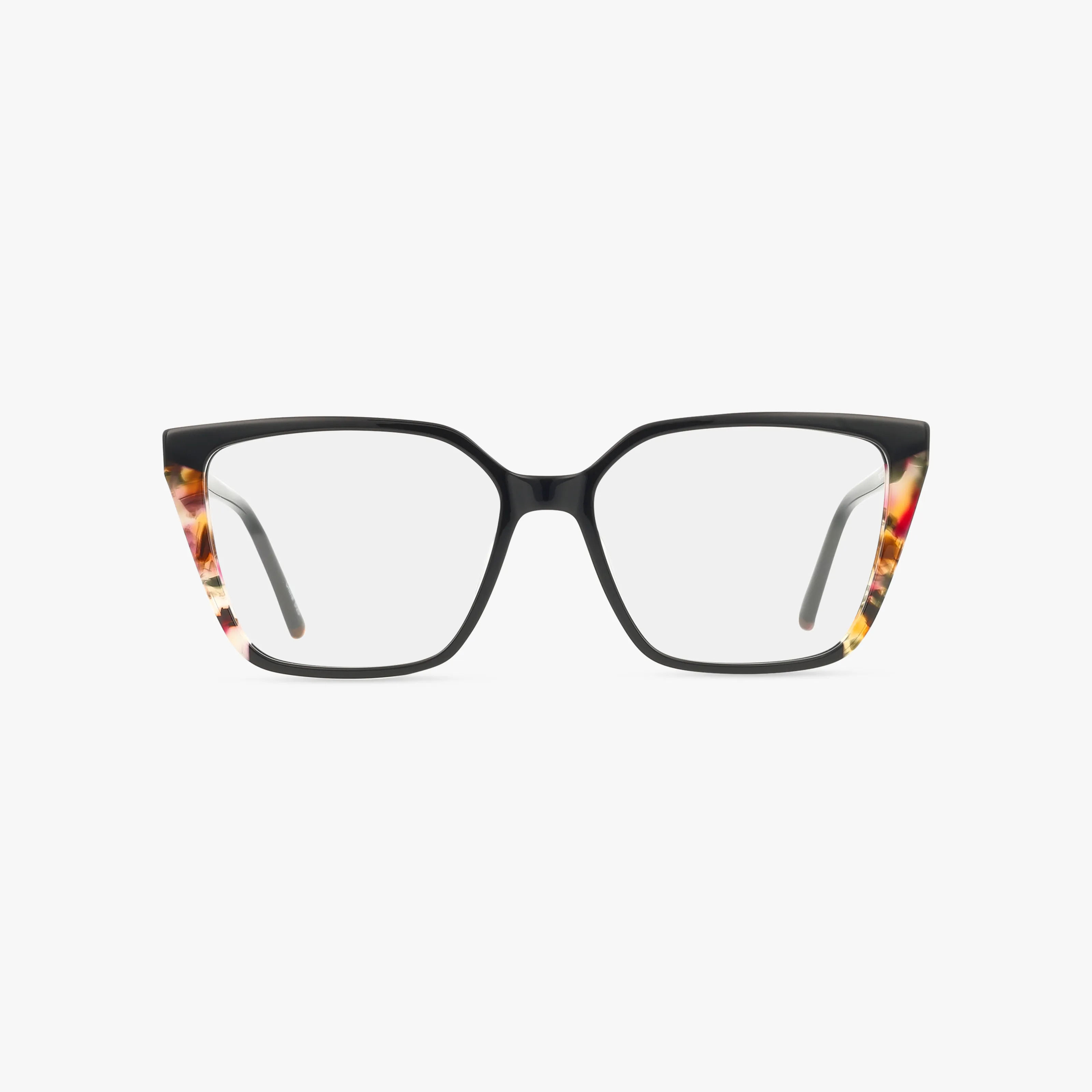
Shopko Optical (surviving brand) - the optical business, now operating independently under Fielmann AG (German optical group), involves eyewear frame surface design (acetate colourways, pattern treatments, branded graphic application). The optical brand is the only operational Shopko entity as of 2019 onwards.
Shopko Stores, Inc. was an American chain of discount department stores headquartered in Green Bay (Ashwaubenon), Wisconsin.
Shopko's relevance to surface pattern design is limited and structural rather than design-led.
At its peak, Shopko operated 363 stores across 24 US states, positioned as a value-focused discount department store competing with Kmart, Walmart, and Target in small to mid-sized communities where those chains were less present.
Shopko's most significant retail licensing relationship was its long-term contract with Payless ShoeSource (from 1999), which leased floorspace within Shopko stores. Payless filed its own bankruptcy in February 2019, closing contemporaneously with Shopko's liquidation.
March 1961: James Ruben and investors announce plans for a $1 million department store in Green Bay, Wisconsin April 1962: First ShopKo store opens at 216 S.
United States