Loading
NEW DESIGNERS ADDED WEEKLY!
The best pattern designers.
Browse & hire professional surface pattern designers for fashion, textiles, interiors & product design.
Browse & hire professional surface pattern designers for fashion, textiles, interiors & product design.
We use cookies to improve your experience and understand how PatternDesigners is used.
Discover pattern styles, motifs & structures used throughout surface pattern design, with visual examples to help you recognise every pattern type.

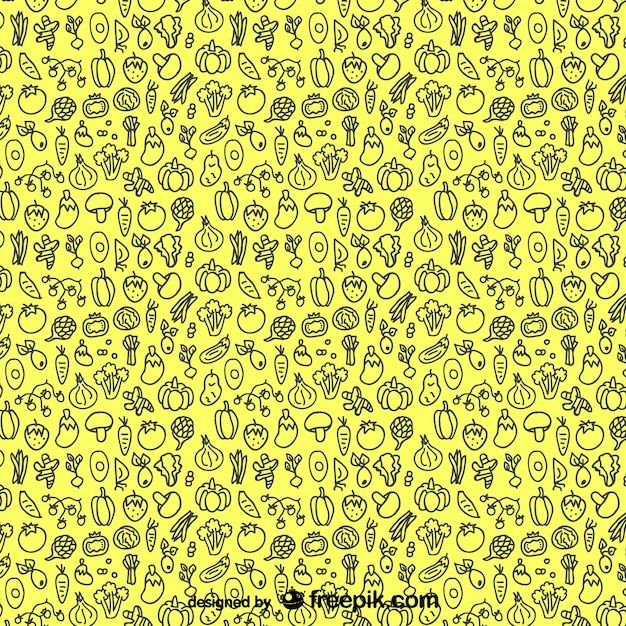
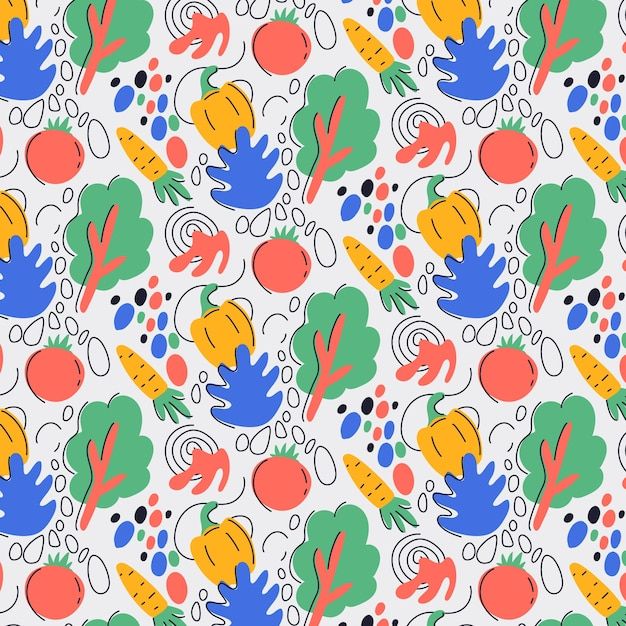
Vegetable patterns draw on produce imagery for decorative surface design, evoking a wholesome, natural, and kitchen-garden aesthetic. They span a wide range of execution styles, from hand-painted watercolour illustrations capturing organic textures and earthy tones to flat vector graphic designs using bold simplified forms. The category sits within novelty and conversational print, closely related to fruit patterns and botanical illustration, but with a domestic and culinary framing rather than a naturalist one.
Vegetable patterns draw on produce imagery for decorative surface design, evoking a wholesome, natural, and kitchen-garden aesthetic. They span a wide range of execution styles, from hand-painted watercolour illustrations capturing organic textures and earthy tones to flat vector graphic designs using bold simplified forms. The category sits within novelty and conversational print, closely related to fruit patterns and botanical illustration, but with a domestic and culinary framing rather than a naturalist one.
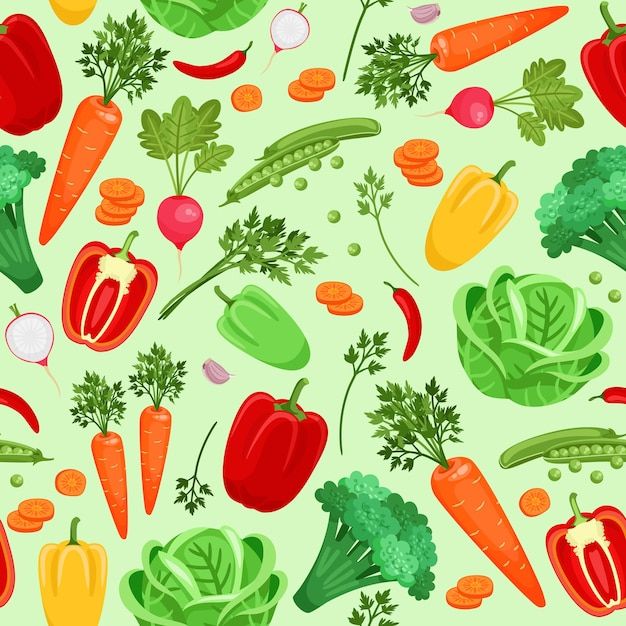
Individual vegetables depicted with characteristic shapes, colours, and textures - the tapered orange of a carrot with its feathery green tops, the rounded red of a tomato showing seed sections, the layered rings of a cross-sectioned onion, the ruffled edges of a lettuce head. Compositions may show whole vegetables, cross-sections, or sliced details. Hand-drawn versions include root systems, earth marks, and stem detail for a market-garden feel. Geometric versions extract the essential form into flat, mid-century style shapes.
Vegetable patterns are most often produced as tossed (random) all-over repeats, with individual vegetable motifs scattered across the surface. Organised grid layouts (block or half-drop) work well for simpler single-motif designs. Cross-section-based designs - showing sliced peppers, leeks, or onions - may use a more regular grid arrangement when the shape allows close tessellation.
Three dominant style approaches:
Vegetable printing as a craft technique predates surface pattern design as a profession. Potato printing is a documented folk and children's craft with a long history. Carving potatoes into stamps, then printing with fabric paints, produces repeat patterns on textiles and paper. Other vegetables used historically and contemporarily for stamp printing include carrots, Brussels sprouts, lettuces, onions, lemon halves, and celery cross-sections, each producing a distinctive organic mark. The printed textural pattern made by a halved vegetable is both a production method and a visual aesthetic in its own right.
Vegetable patterns draw on produce imagery for decorative surface design, evoking a wholesome, natural, and kitchen-garden aesthetic.
Individual vegetables depicted with characteristic shapes, colours, and textures - the tapered orange of a carrot with its feathery green tops, the rounded red of a tomato showing seed sections, the layered rings of a cross-sectioned onion, the ruffled edges of a lettuce head.
Food
Vegetable patterns are most often produced as tossed (random) all-over repeats, with individual vegetable motifs scattered across the surface. Organised grid layouts (block or half-drop) work well for simpler single-motif designs.
Carrots with green tops Radishes and beets with roots and leaves Tomatoes whole and cross-sectioned Onions and leeks (whole and sliced) Lettuces, cabbages, and leafy greens Brussels sprouts, cauliflower, broccoli Peppers and courgettes Potatoes Mixed market garden compositions
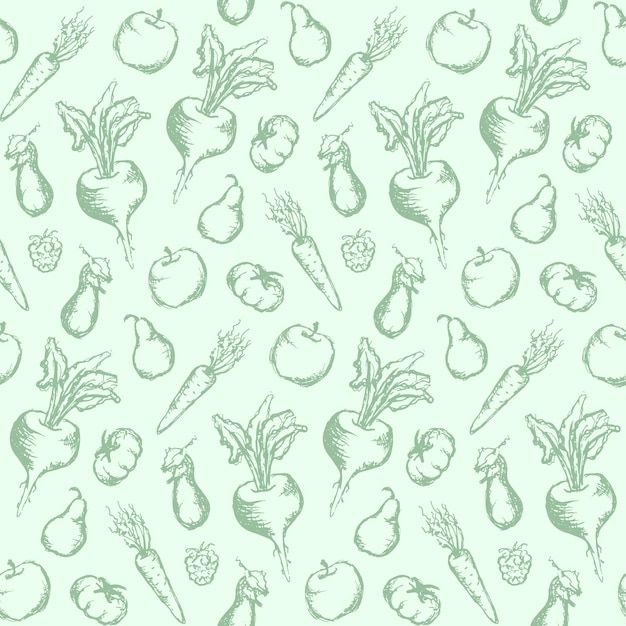
Three dominant style approaches: Hand-drawn and illustrated: Watercolour, lino print, or marker illustrations with organic line quality and earthy palettes of green, orange, red, and cream. Roots, soil marks, and stem details add textural warmth.
Vegetable printing as a craft technique predates surface pattern design as a profession. Potato printing is a documented folk and children's craft with a long history. Carving potatoes into stamps, then printing with fabric paints, produces repeat patterns on textiles and paper.
Fruit Pattern, Botanical Pattern, Watermelon Pattern, Lemon Pattern, and Pineapple Pattern